Case Study – Improper Integration of Single-Phase Battery Inverter in a Three-Phase Domestic System
Case Study–Improper Integration of Single-Phase Battery Inverter in a Three-Phase Domestic System Client: Domestic Homeowner Overview In the evolving domestic renewable energy market, an increasing number of households are investing in solar PV systems and battery storage to reduce reliance on the grid. However, a concerning trend has emerged: the improper installation of single-phase inverters…
Case Study–Improper Integration of Single-Phase Battery Inverter in a Three-Phase Domestic System
Client: Domestic Homeowner
Overview
In the evolving domestic renewable energy market, an increasing number of households are investing in solar PV systems and battery storage to reduce reliance on the grid. However, a concerning trend has emerged: the improper installation of single-phase inverters in three-phase systems. This case study highlights a real-world example where a lack of understanding by the installer led to suboptimal system performance and wasted investment.
Client Background and Initial System
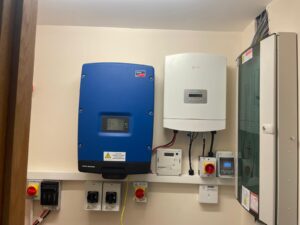
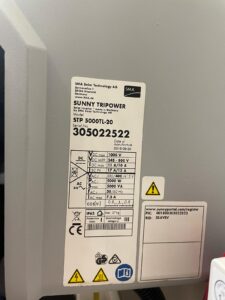
The client, a homeowner with a three-phase electrical system, originally had a 5kW SMA Sunny Tripower string inverter installed—an appropriate choice for a three-phase supply. The system performed as expected, efficiently converting solar energy across all three phases of the property.
Battery System Installation-The Error
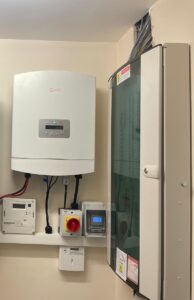
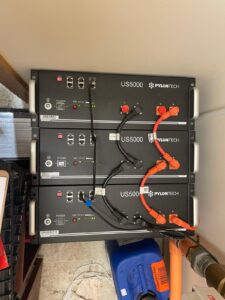
Later, the client sought to enhance the system by adding battery storage to capture excess solar energy for use during non-sunlight hours. Unfortunately, the installer added a single-phase Solis AC-coupled inverter paired with 3x Pylontech US5000 batteries, providing a total of 14.4kWh storage (13.68kWh usable).Critical Issues Identified:1. Single-Phase Inverter on a Three-Phase System
The AC-coupled inverter was connected to only one of the three phases, effectively backing up just one-third of the house’s electrical circuits.
As a result, two-thirds of the household loads were left unpowered by the battery system, rendering the installation inefficient and not fit for purpose.
2. Visible Installation Flaws:
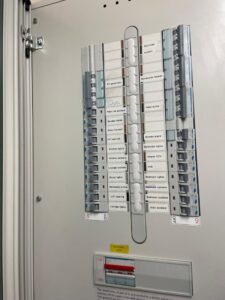
The consumer unit clearly shows a single-phase MCB labeled “AC coupler” installed adjacent to the three-phase MCB for the PV inverter.
This basic oversight highlights a fundamental misunderstanding of electrical phase balancing and system integration.
3. Orientation of Pylontech Batteries:
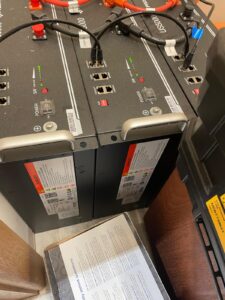
The batteries were installed facing upward, contrary to Pylontech’s official guidelines, which mandate vertical mounting with terminals facing forward.
Upon inspection, Elektra Smart Energy identified the issues and offered a solution:
Replace both the battery and inverter with components designed for a three-phase system.
Unfortunately, the Pylontech US5000 batteries are not compatible with three-phase inverters, making an inverter-only upgrade impractical.
The client opted not to proceed with a full system replacement due to cost, leaving them with a partially effective solution that fails to meet the energy needs of the entire property.
Key Takeaways
Lack of installer expertise can lead to poor system performance, safety concerns, and wasted investment.
Homeowners often rely on professionals for technical advice—they should not be expected to understand phase systems.
It is the installer’s responsibility to ensure compatibility, proper design, and safe implementation.
Elektra Smart Energy: The Right Choice
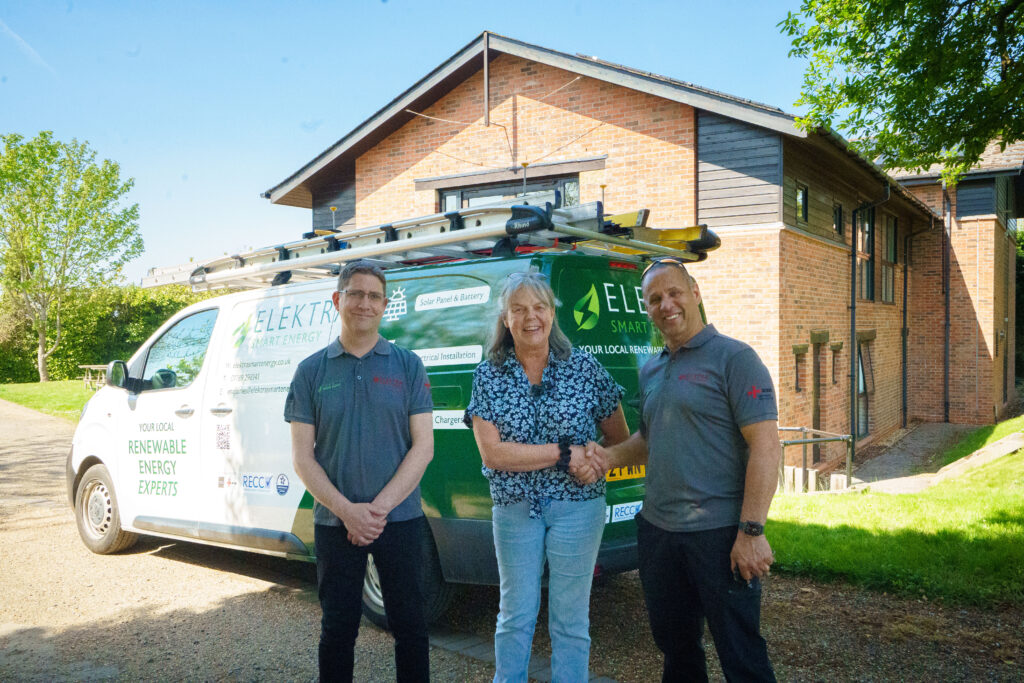
At Elektra Smart Energy, we are qualified electrical engineers with a strong foundation in three-phase systems, battery integration, and renewable energy technology. We design systems tailored to your property, rather than forcing one-size-fits-all solutions.
Whether you’re planning a new solar installation or looking to retrofit battery storage, we ensure compatibility, safety, and maximum efficiency—no compromises.
Don’t pay the price for someone else’s learning curve. Choose competence. Choose Elektra Smart Energy.
A poorly installed GSE in-roof solar PV system left a Stratford-upon-Avon homeowner with persistent roof leaks. See how Elektra Smart Energy stripped out the faulty system and installed a watertight, high-efficiency replacement.
Is It Worth Getting Solar Panels in the UK? With energy prices continuing to rise and sustainability high on the national agenda, more and more UK homeowners are looking to solar power as a solution. But the question remains: is it worth installing solar panels in the UK, where the sun doesn’t always shine? …
Save up to 80% on your energy bills. Take advantage of 0% VAT on solar installations, battery storage for greater savings and get paid for unused energy and sell back to the grid through the Smart Export Guarantee (SEG) tariff.



 Manufacturer Installation Requirements: Pylontech US5000