
When it comes to delivering a solar project, safety is always front and centre. From detailed risk assessments and ground investigations to surveys, permits and pre-start checks, every precaution is taken to make sure the job is carried out safely.
But sometimes, despite all the planning in the world, the unexpected still happens!
For a recent project of ours we were asked to quote for the design, supply, installation and commissioning of a grid-connected solar photovoltaic (PV) system at the following site: We successfully secured the project.
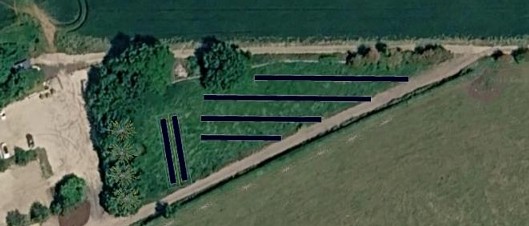
The Great Tythe Barn
Long Newton
GLOS GL8 8XA
Our scope of work proposal was to install a 102.72 kW solar PV array to reduce fuel bills and carbon emission at the property. To consist of 192 No.535w monocrystalline half-cell module panels, ground mounted array on the south facing field and on a new barn. The array would be connected into 2 x 50kW three-phase hybrid solar inverters located within the new barn. The inverter would then be connected into the property’s power supply. The products would be selected to meet UK Building Regulations for fire hazards.
We decided a full Pull Test for soil groundworks would be essential for ensuring the stability and safety of groundworks, particularly in the context of soil groundworks. These tests measure the axial pull-out resistance of driven ground anchors, providing a precise figure that indicates the holding power of the anchor point in specific ground conditions.
- Purpose: To verify the strength and stability for fixings, anchors, and structures, ensuring they can bear their intended loads without failure.
- Method: Gradually applying force to the anchor or screw until it is dislodged or reaches a predetermined force limit.
- Benefits: Ensures structural integrity, compliance with safety standards, and prevention of accidents
- Importance: Critical in preventing structural failures, which can lead to costly repairs, project delays, or safety incidents. Pull testing is standard method to meet regulatory requirements and provides documented proof of compliance. It is particularly important in areas with varying soil types and environmental conditions, where the assessment soil is uncertain.
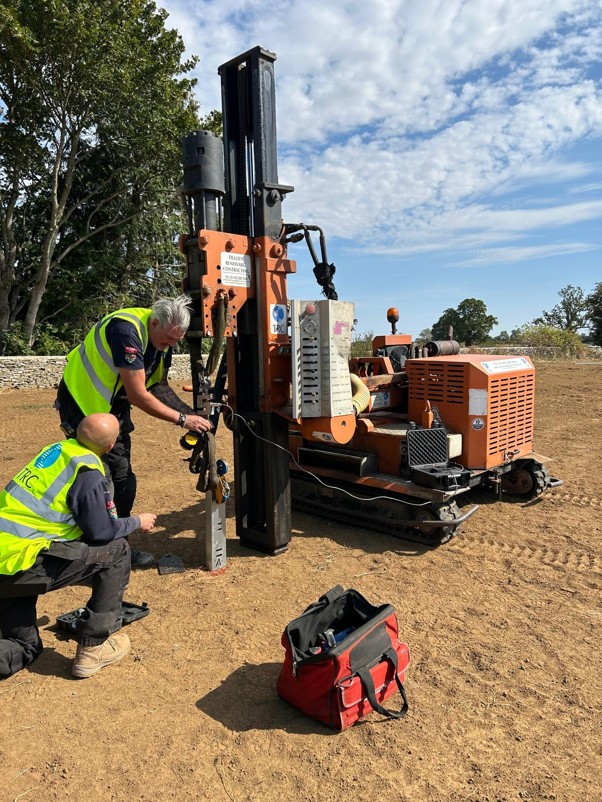
The pull test was successfully completed, with everything passing as expected and the team given the green light to get started.
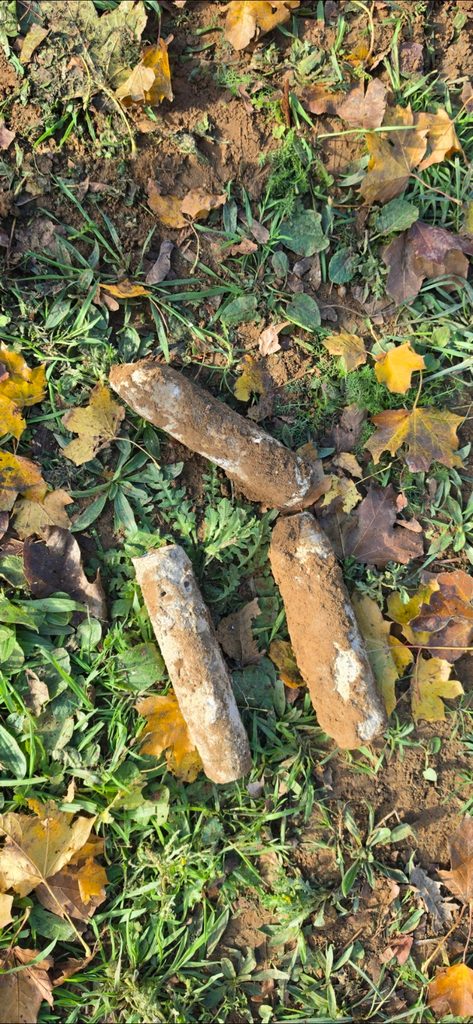
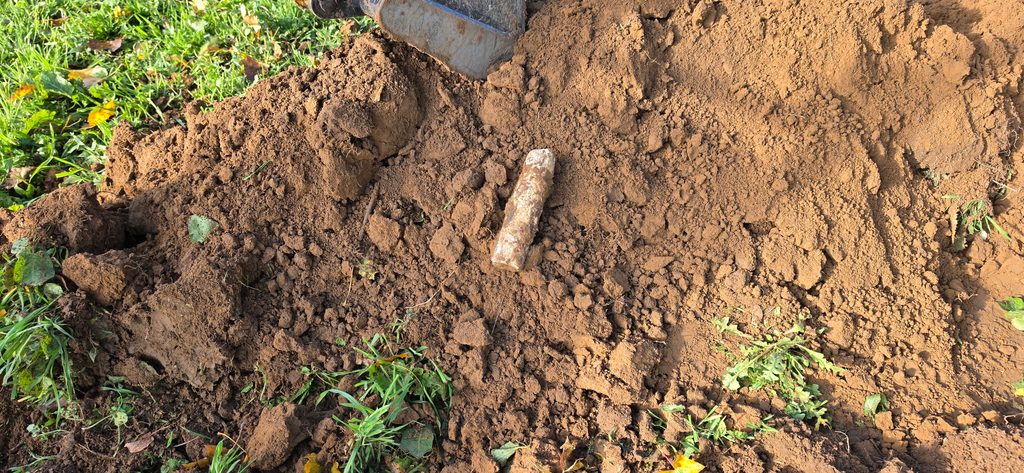
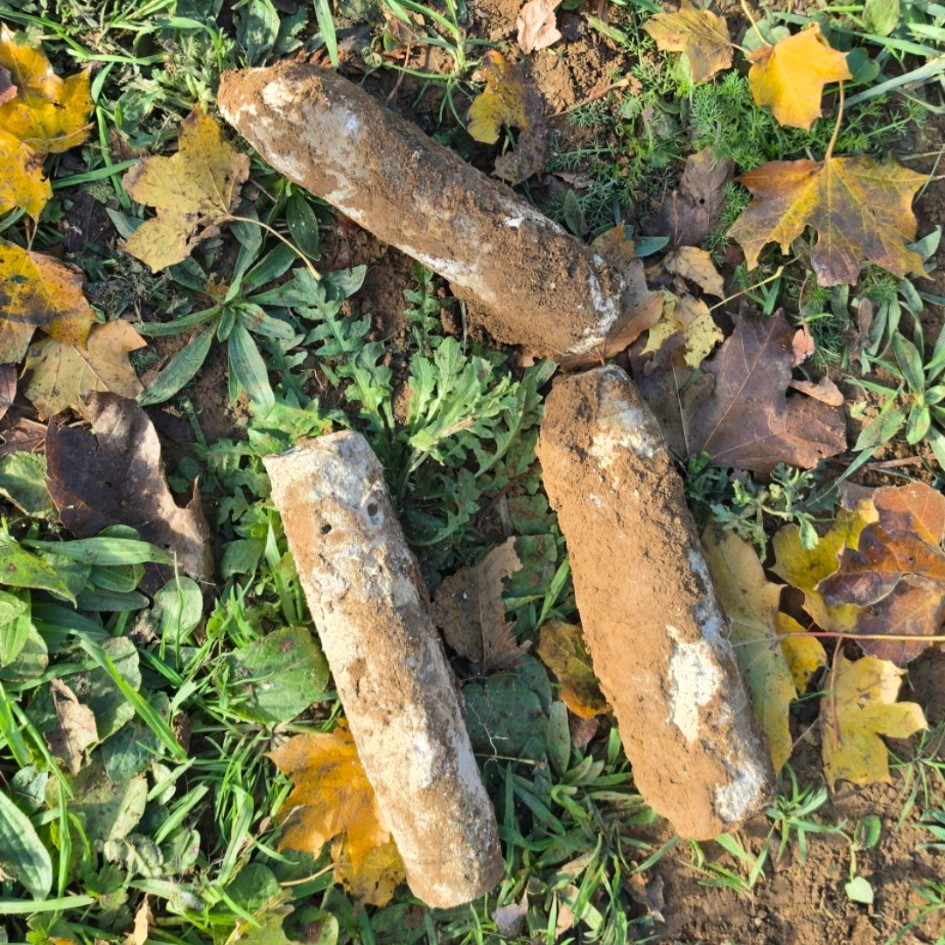
Day one of the next phase of the project began with excavation works to locate the proposed cable route. Almost immediately, our electricians and site workers uncovered an unusual object. Recognising that something wasn’t quite right, they promptly stopped all work, sought a second opinion and contacted the Police.
Following an inspection by the Explosive Ordnance Disposal (EOD) team, it was confirmed that several suspected World War II bombs had been discovered.
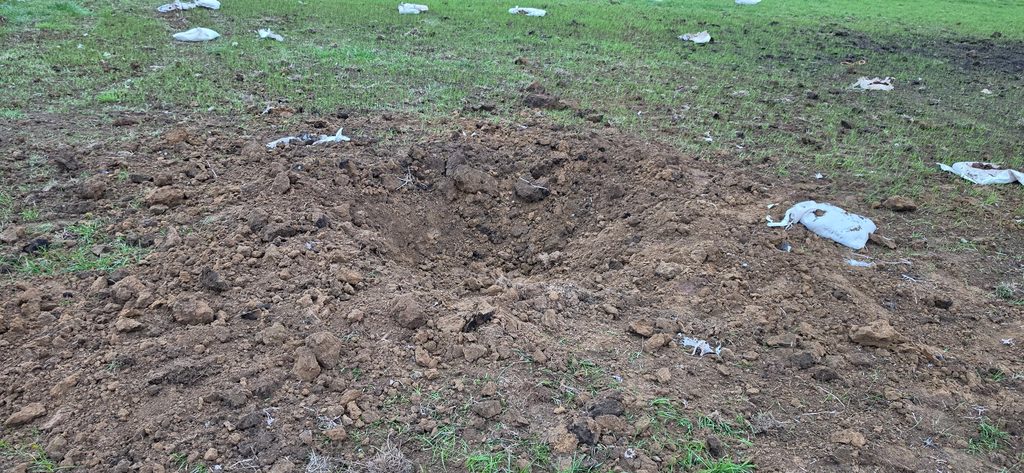
The site was immediately evacuated, and the specialist disposal team carried out two controlled detonations to safely deal with the explosives!
Certainly not the start to the next phase of the project that anyone was expecting!