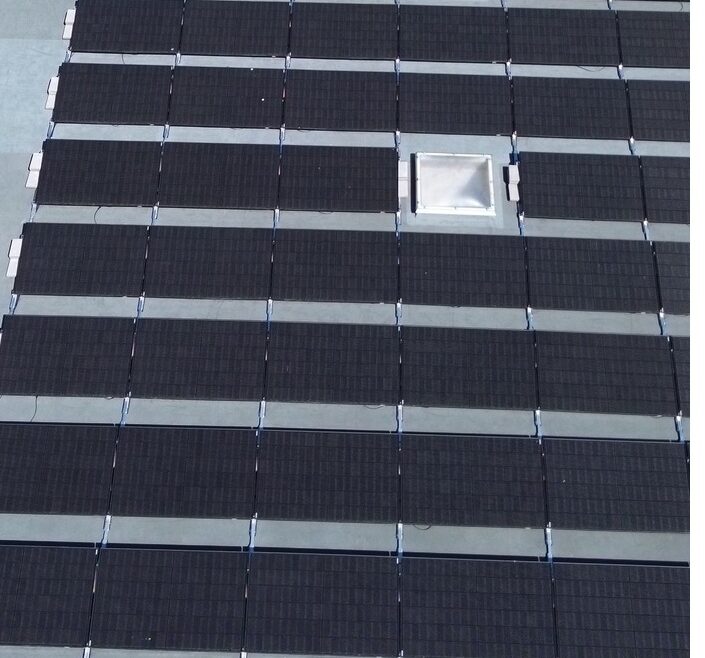
Solar panels

Is it worth getting Solar Panels in the UK?

Is it worth getting Solar Panels in the UK? 705 1024 Elektra Smart Energy
Is It Worth Getting Solar Panels in the UK?

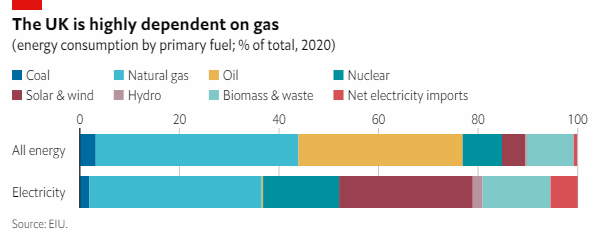
With energy prices continuing to rise and sustainability high on the national agenda, more and more UK homeowners are looking to solar power as a solution. But the question remains: is it worth installing solar panels in the UK, where the sun doesn’t always shine?


Do Solar Panels Work in the UK?

One of the most common myths is that solar panels don’t work well in the UK because of our grey skies. While it’s true we don’t get as much sun as southern Europe, solar panels don’t need constant sunshine—they generate electricity from daylight, not heat.

In fact, many parts of the UK receive over 1,000 hours of sunshine per year. Even on cloudy days, solar panels still produce energy, just at a lower rate.

Modern solar technology allows panels to generate electricity even on overcast days, making them a viable energy solution year-round. In fact, solar panels often perform best in cooler temperatures. Their ideal operating temperature is around 25°C, which happens to be the average of a nice UK summer day—making our mild climate surprisingly well-suited for solar energy.


How much can you save? 

Depending on your location and usage habits, installing solar panels can save a typical UK household £500–£1500 a year on electricity bills. If you add a battery system and shift more of your usage to daylight hours, your savings could be even greater.

Savings can be even higher if you:

Take advantage of low night-time electricity tariff

Use most of your electricity during the day (in case you don’t have battery)

Have a battery storage system

Take advantage of the Smart Export Guarantee (SEG) by selling unused energy back to the grid.

Take advantage of low night-time electricity tariff

What does it cost to go Solar?

At Elektra Smart Energy Ltd, we offer tailored solar PV systems using high-performance Jinko all-black panels and Fox inverters and batteries. Here are a few of our most popular packages:

We offer a wide range of high-quality solar PV systems tailored to suit your energy needs, property type, and budget. Whether you’re after a compact system for a small home or a full hybrid setup with battery storage, we’ve got you covered.

We can install systems from trusted brands including Fox, Tesla, SolarEdge, GivEnergy, SigEnergy, and many more. Every system is custom-designed to match your energy usage, roof space, and long-term goals—whether that’s maximising savings, boosting energy independence, or reducing your carbon footprint.

Here are a few examples of our popular cost-effective system packages:

  1. Solar PV with 8 Panels & 3kW Inverter – £3,750
  • Fox 3.0kW String Inverter
  • 8x Jinko 440W All-Black Panels
  • A cost-effective entry point for small to medium homes
  1. Solar PV with 10 Panels, 3.7kW Inverter & 5.18kWh Battery – £6,750
  • Fox 3.7kW Hybrid Inverter
  • 10x Jinko 440W All-Black Panels
  • Fox EP5 5.18kWh Battery
  • Ideal for households that want to store and use more of their solar energy

3.Solar PV with 14 Panels, 5kW Inverter & 10.36kWh Battery – £8,450

  • Fox 5kW Hybrid Inverter
  • 14x Jinko 440W All-Black Panels
  • Fox EP11 10.36kWh Battery
  • Great for larger homes or those looking for maximum savings and energy independence

We understand that every home and customer is different. That’s why we don’t offer “one-size-fits-all” solutions. Our experts will work with you to design and install a system that’s tailored to your specific needs—ensuring you get the most efficient, cost-effective setup possible.

These systems are designed not only to save you money but to deliver high performance, long-term reliability, and sleek aesthetics.


Environmental Benefits

Installing solar panels isn’t just about cutting bills—it’s also about cutting carbon. A typical solar PV system can reduce your home’s carbon emissions by 1.5 to 2 tonnes of CO₂ per year, making a real impact on the environment.


Incentives and Financial Support

While the Feed-in Tariff has ended, homeowners can still benefit from:

  • The Smart Export Guarantee (SEG) – Get paid for excess electricity you export
  • Zero VAT on Solar – Domestic solar installations are currently VAT-exempt, reducing upfront costs

Is Your Home Solar-Ready?

Before you install, it’s worth considering:

  • Roof orientation and angle – South-facing roofs are ideal, but east/west can still be very effective
  • Shading – Avoiding shade from trees or chimneys improves performance. However, Solar PV system can still be installed in partly shaded area with the right consideration. 

At Elektra Smart Energy Ltd, we offer free consultations to help you assess whether solar is right for your property and energy usage.


The Verdict: Is It Worth It?

For most UK homeowners, yes—solar panels are worth it. While the initial cost is not small, the long-term savings on electricity, potential income from excess energy, and environmental benefits make solar panels a smart investment.

And with energy prices unlikely to fall dramatically any time soon, generating your own electricity offers more control and peace of mind


Ready to Go Solar?

Contact Elektra Smart Energy Ltd today to book your free home survey or speak to one of our energy experts. We’ll walk you through your options and design a custom solar system that works for your home, lifestyle, and budget.


Elektra Smart Energy

9/07/2025


Case Study: Fixing a Poor Solar PV GSE (In-Roof System) Installation

Case Study: Fixing a Poor Solar PV GSE (In-Roof System) Installation 768 1024 Elektra Smart Energy


The Problem

A homeowner in Stratford Upon Avon had a solar System with a GSE integrated tray solution installed by a previous contractor. Shortly after the installation, water began leaking into the property. Despite multiple attempts t resolve the issue, the leaks persisted, causing damage disruption and concern.

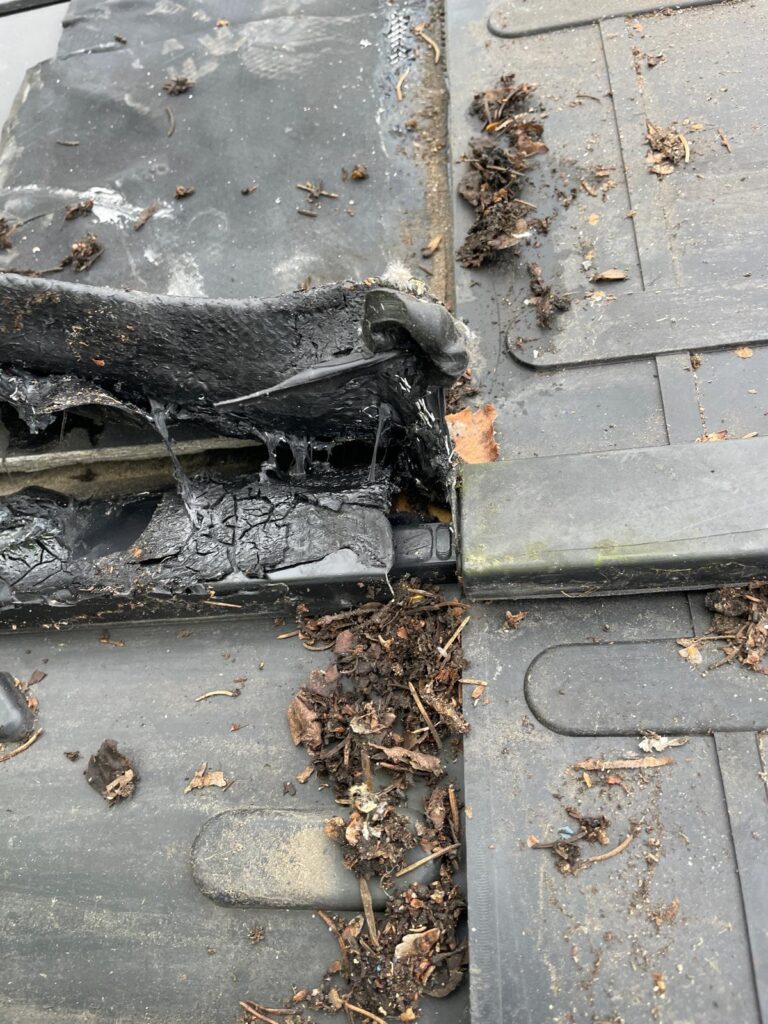
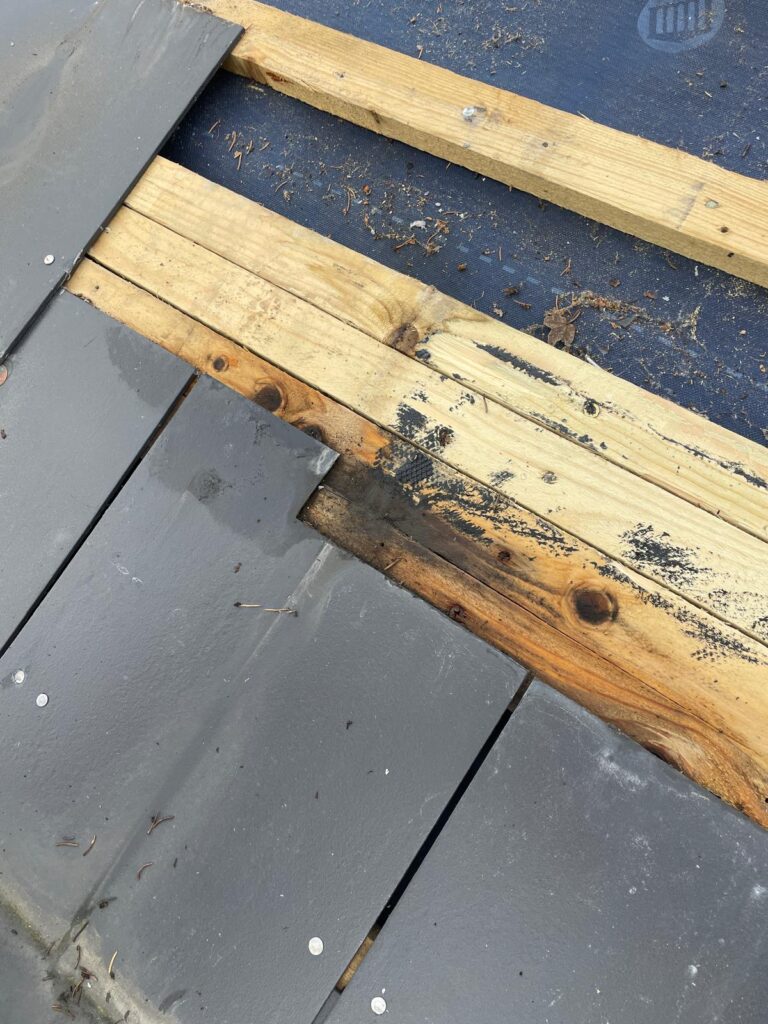
These Images show the GSE integrated tray solution leaking into the property.


Initial Inspection after Elektra Smart Energy was contacted to access the problem.

Upon inspection, our team discovered that the solar PV system had been installed to a very poor standard. The GSE tray modules and solar panels were incorrectly fitted, with improper sealing and alignment that allowed rainwater to infiltrate the roof structure.

Problems with the Original Installation
A closer examination revealed several specific faults in the original work:

  • Incorrectly fitted flashing, both side flashing and flexible types.
  • Flexible flashing not lapped correctly, which failed to divert water effectively.
  • Side flashing not pushed up to create a proper lap, compromising the seal.
  • Panel clips lacked waterproof foam on the underside, preventing a watertight seal between clip and tray.
  • Roof tiles were not lapped correctly at the head of the tray, further exposing the roof to leaks.

Challenges
One major complication was that the GSE trays and solar panels used in the original installation were outdated and had been discontinued. This meant that simply replacing or repairing individual components was not an option.

Our Solution
To resolve the issue properly, Elektra Smart Energy decided to fully strip out the existing system, including all panels and trays. We supplied and installed a completely new GSE integration system along with a new set of high-efficiency, all-black solar panels. These new panels not only delivered a higher energy output, but also offered a much sleeker and more aesthetically pleasing appearance that blended better with the property’s roofline.


 The Result

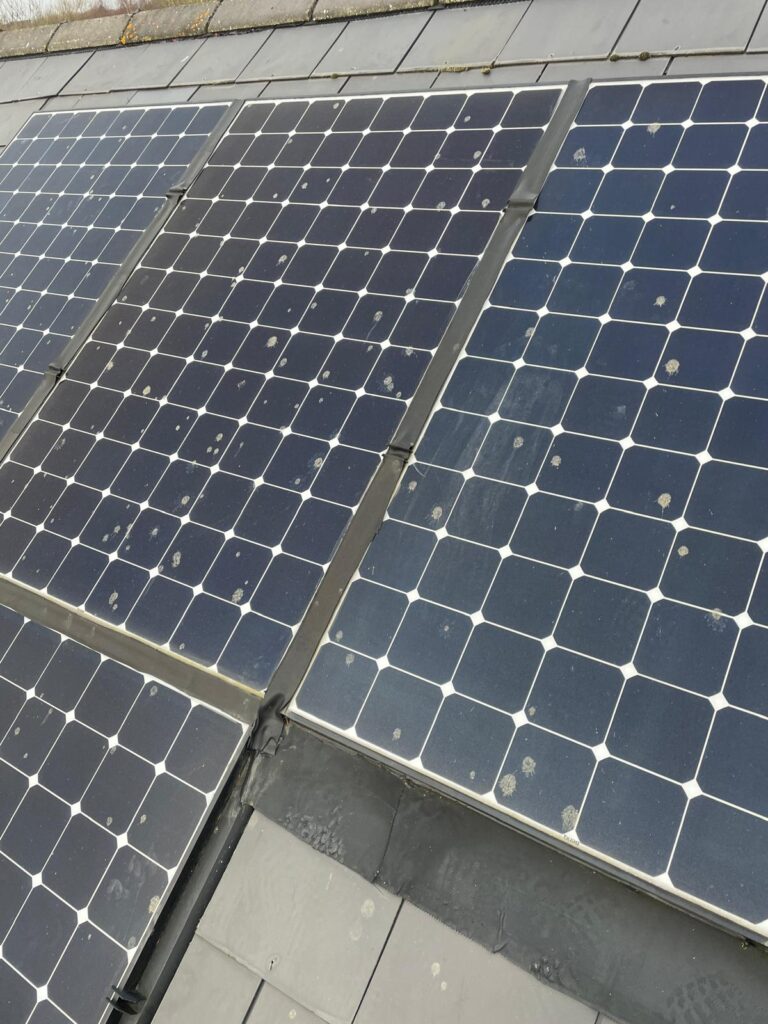
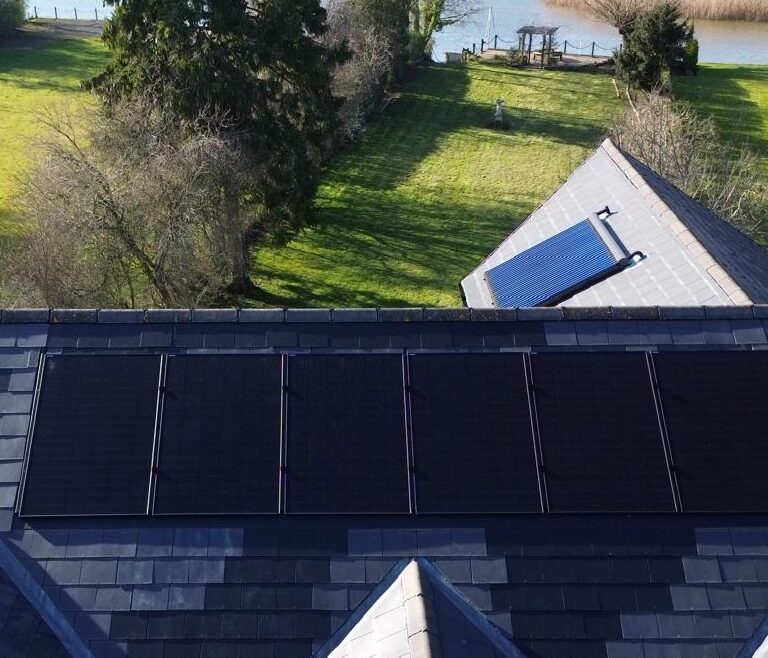
The ResultThis Image shows the new Installation

 The new installation was completed to the highest of standards.

The roof was fully sealed and all water leaks were eliminated.

The homeowner was extremely satisfied as not only was the issue finally resolved, but the performance and visual appeal of the system were significantly improved.

Customer Feedback
“After months of frustration trying to fix the leaks, Elektra Smart Energy came in and sorted it all out professionally. The new system not only works perfectly, but it also looks great on the house. I couldn’t be happier.”

Conclusion
This project showcases Elektra Smart Energy’s commitment to quality workmanship, technical excellence, and customer satisfaction. By replacing a poorly installed system with modern, high-performing components, we ensured a lasting solution and another happy customer in Stratford-upon-Avon.


Elektra smart Energy

03/07/2025


Case Study: Navigating the clash between Britmet Roofing and MCS Requirements

Case Study: Navigating the clash between Britmet Roofing and MCS Requirements 768 1024 Elektra Smart Energy


Project Overview

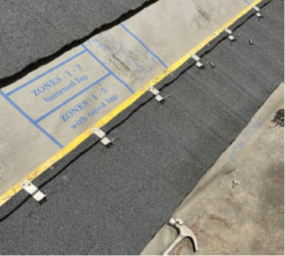
A recent solar PV installation on a small commercial building presented our team with a unique and complex challenge. The objective was to install 42 solar panels on a roof covered with Britmet Ultratile, a lesser-known lightweight metal tile roofing system. While the technical installation itself was straightforward, the project soon became entangled in a regulatory dilemma involving manufacturer warranties and MCS (Microgeneration Certification Scheme) compliance.

Site Survey and Challenge

During the initial site survey, we identified the roofing material as Britmet Ultratile—an unusual choice for commercial properties and one that limited the compatibility of standard solar mounting systems. Our priority was to ensure that the solar installation did not void the manufacturer’s warranty on the roof.

We reached out directly to Britmet to discuss mounting options that would preserve the warranty. Britmet recommended specific roof hooks manufactured by Renusol, a well-respected name in the solar industry. However, the particular Renusol hooks approved by Britmet for use with their Ultratile system had not yet received MCS certification.

This created a significant dilemma:

  • Using the recommended Renusol hooks would preserve the roof warranty but result in the installation not being eligible for an MCS certificate.
  • Using an MCS-certified mounting system not approved by Britmet could void the client’s roof warranty—an unacceptable risk for both the client and us.


Client Engagement and Decision

We presented the situation to the client with full transparency. After reviewing the pros and cons, the client made an informed decision to proceed with Britmet’s recommended hooks, prioritising the preservation of the roof warranty over obtaining an MCS certificate.


Elektra Smart Energy


Why are Energy Prices so High?

Why are Energy Prices so High? 560 747 Elektra Smart Energy
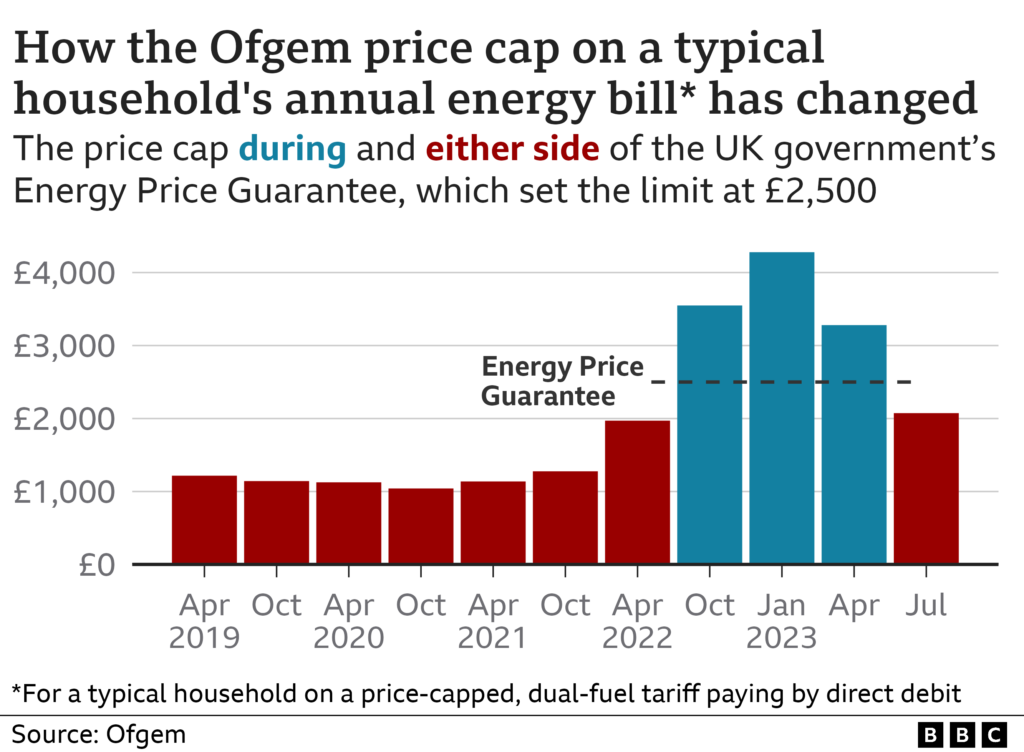
The energy price cap is determined by the energy industry regulator, Ofgem and the cap sets a maximum price that energy suppliers can charge customers for each kilowatt hour (kWh) of energy that they use.  

After a 54% increase to the energy price cap in April 2022, the Energy Price Guarantee (EPG) was enforced .

This was a great reduction from the energy price cap level of £3,280 set by Ofgem.  


What caused the Energy Crisis? 

Our energy bills have been increasing due to supply and demand issues pushing up wholesale energy prices. This is the amount that your provider pays to the energy generators for gas and electricity. It is the rise in these wholesale costs that are the main driver in the energy price spikes. So, what has caused the wholesale prices to rise?  

Peruvian imports have also more than doubled.

Sellindge. This is the European link combining the technical expertise of both the British National Grid and the French RTE. The site is still not running at full capacity, and is aiming to reach this goal by October 2023.  

Why are Energy Bills still so high? 

Our bills are dependent on the wholesale prices of energy, which are now decreasing. Network cost, which makes up 25.35% of our energy bills, pays for fitting and running gas pipes and electricity cables. It also covers the cost of energy firms that have failed. Our energy bills are therefore entirely dependent on the price of imports. As a result, most companies “hedge”.

Will Energy Bills stay down? 

Market analysts do predict that energy prices will continue to decrease from 2023 into 2024. This may spark competition within the industry, pushing prices down further. 


Sophie Ben-Tovim

8/08/2023


Aiko 470 W Gen 3 Solar Panels vs Traditional Panels

Aiko 470 W Gen 3 Solar Panels vs Traditional Panels 768 1024 Elektra Smart Energy

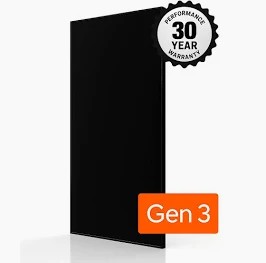
At Elektra Smart Energy, we’re always evaluating breakthroughs that make solar systems more efficient, reliable, and visually appealing. When it comes to solar energy, not all panels are created equal. The latest Aiko 470W Generation 3 (Gen 3) panels stand out for their efficiency, aesthetics, and intelligent energy management. But how do they compare to traditional panels most people are familiar with?

Feature Aiko 470 W Gen 3 (ABC) Traditional Panel
Aesthetics Sleek, all‑black, borderless Silver busbars visible; grid-like look
Cell Architecture ABC (all-back-contact) Front Contact (Visible wires)
Peak Efficiency Around 23.5–24.3% Typically ~19–21%
Shade Handling Minimal power loss under partial shading One shaded cell can block entire substring
Thermal Performance Enhanced heat dissipation, cooler under load Less efficient cooling; more prone to hot-spots
Visual Appeal True-black finish with no front wires Front busbars visible; less elegant

🌤️ Shading Matters

Traditional panels often lose most of their power if even one part is shaded—like a chimney shadow or tree branch. Aiko’s Gen 3 panels use a more intelligent layout that keeps energy flowing, even when some cells are shaded.

As Aiko explains, shading only deactivates the cells that need it—so if one cell is shaded, the panel maintains most of its output.

Technical Dive – Inside the Aiko Gen 3 Advantage

🧩 Same Diodes, Different Brains

Both Aiko Gen 3 and traditional panels use three bypass diodes. However, how they’re integrated makes all the difference:

  Traditional Panels:

  • Cells are grouped in 3 sections (usually 20–24 cells each).
  • One diode per section.
  • If any part of one section is shaded, the whole section stops producing.

  Aiko Gen 3 Panels:

  • Also 3 diodes, but the internal cell layout is fundamentally different.
  • Dynamic Connections between cell groups ensure smarter routing.
  • Instead of rigid blocks, the Gen 3 panels allow power to flow around shaded areas, dynamically maximizing output.

🔄 Dynamic Cell Connection – What Does It Mean?

Traditional panels wire cells in fixed series groups. If one group fails or is shaded, the output is severely affected.

Aiko Gen 3 panels use dynamic interconnects, allowing energy to bypass individual underperforming cells—not just whole blocks. This reduces the impact of partial shading and maintains more stable power output throughout the day.


💡 ABC Architecture – Why It Matters

  1. No front contacts — no metal masking sunlight.
  2. Precision Overlap Soldering—cells are tightly packed to maximize active area
  3. Higher Module Efficiency — reaching up to 24.3%
  4. Lower electrical resistance — smoother current flow, generating more power.
  5. Better thermal control — ABC design enhances heat dissipation vs. front-contact designs.

🚦 How It All Works Together

  • Three diodes are still present—one for each major cell section.
  • When a cell (or group) drops ≥ 4 cells worth, its bypass diode activates.
  • Because of ABC and dynamic wiring, only that small segment is bypassed—not an entire block.
  • The result? Gradual performance change rather than abrupt drops—even under uneven light.

✅ Elektra Smart Energy Verdict

Aiko’s 470 W Gen 3 panels clearly deliver:

  • Superior aesthetics – perfect for home or commercial rooftops.
  • High efficiency – 23.5–24+% range means more power per roof square metre.
  • Shade resilience – unique ABC dynamic wiring avoids abrupt power loss.
  • Long-term reliability – lower heat stress and better material durability.

🔚Conclusion: Is Aiko Gen 3 Worth It?

If you’re installing a new solar system and want cutting-edge performance, elegant design, and maximum efficiency—even in less-than-ideal conditions—Aiko’s 470W Gen 3 panels are hard to beat. While traditional panels still do the job, the Gen 3 system is simply smarter, more adaptable, and future-ready.


Elektra Smart Energy

23/06/2025



Case Study – Improper Integration of Single-Phase Battery Inverter in a Three-Phase Domestic System

Case Study – Improper Integration of Single-Phase Battery Inverter in a Three-Phase Domestic System 1200 1600 Elektra Smart Energy
 

Case StudyImproper Integration of Single-Phase Battery Inverter in a Three-Phase Domestic System

Client: Domestic Homeowner

Overview

In the evolving domestic renewable energy market, an increasing number of households are investing in solar PV systems and battery storage to reduce reliance on the grid. However, a concerning trend has emerged: the improper installation of single-phase inverters in three-phase systems. This case study highlights a real-world example where a lack of understanding by the installer led to suboptimal system performance and wasted investment.


Client Background and Initial System

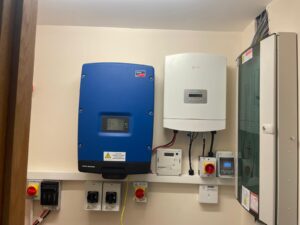
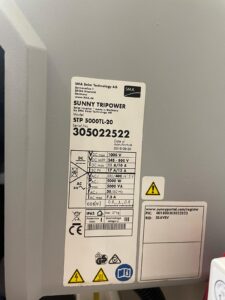
The client, a homeowner with a three-phase electrical system, originally had a 5kW SMA Sunny Tripower string inverter installed—an appropriate choice for a three-phase supply. The system performed as expected, efficiently converting solar energy across all three phases of the property.


Battery System Installation-The Error

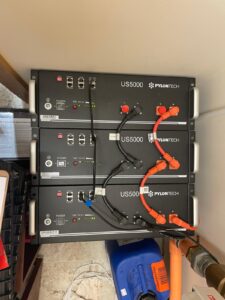
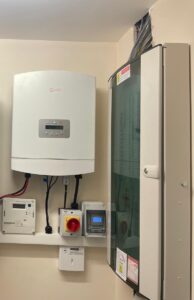
Later, the client sought to enhance the system by adding battery storage to capture excess solar energy for use during non-sunlight hours. Unfortunately, the installer added a single-phase Solis AC-coupled inverter paired with 3x Pylontech US5000 batteries, providing a total of 14.4kWh storage (13.68kWh usable).

Critical Issues Identified:

1. Single-Phase Inverter on a Three-Phase System

  • The AC-coupled inverter was connected to only one of the three phases, effectively backing up just one-third of the house’s electrical circuits.
  • As a result, two-thirds of the household loads were left unpowered by the battery system, rendering the installation inefficient and not fit for purpose.


2. Visible Installation Flaws:

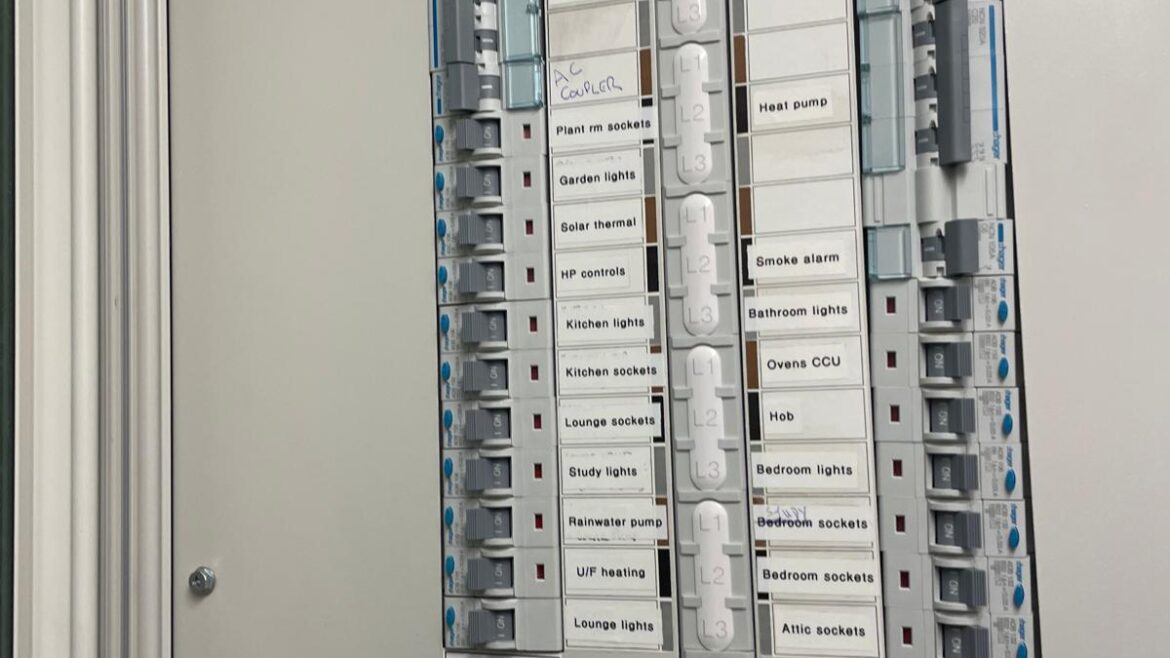
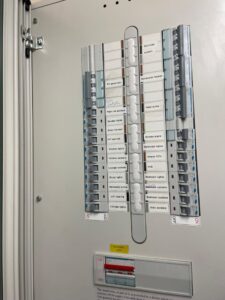
    • The consumer unit clearly shows a single-phase MCB labeled “AC coupler” installed adjacent to the three-phase MCB for the PV inverter.
    • This basic oversight highlights a fundamental misunderstanding of electrical phase balancing and system integration.

3. Orientation of Pylontech Batteries:

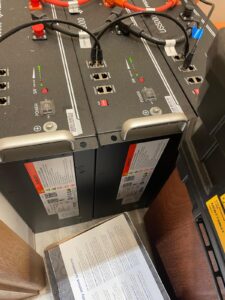
    • The batteries were installed facing upward, contrary to Pylontech’s official guidelines, which mandate vertical mounting with terminals facing forward.
    • This poses serious issues:
      • Reduced heat dissipation
      • Increased internal stress
      • Potential warranty voidance


Manufacturer Installation Requirements: Pylontech US5000

  • Correct Orientation:
    • Stand vertically on base
    • Terminals facing forward
  • Why This Matters:
    • Heat Management: Vertical placement enables proper airflow.
    • Structural Integrity: Maintains correct internal cell alignment.
    • Warranty Compliance: Non-compliance risks voiding manufacturer support.
Consequences and Resolution Challenges

Upon inspection, Elektra Smart Energy identified the issues and offered a solution:

  • Replace both the battery and inverter with components designed for a three-phase system.
  • Unfortunately, the Pylontech US5000 batteries are not compatible with three-phase inverters, making an inverter-only upgrade impractical.
  • The client opted not to proceed with a full system replacement due to cost, leaving them with a partially effective solution that fails to meet the energy needs of the entire property.

Key Takeaways

  • Lack of installer expertise can lead to poor system performance, safety concerns, and wasted investment.
  • Homeowners often rely on professionals for technical advice—they should not be expected to understand phase systems.
  • It is the installer’s responsibility to ensure compatibility, proper design, and safe implementation.

Elektra Smart Energy: The Right Choice

At Elektra Smart Energy, we are qualified electrical engineers with a strong foundation in three-phase systems, battery integration, and renewable energy technology. We design systems tailored to your property, rather than forcing one-size-fits-all solutions.

Whether you’re planning a new solar installation or looking to retrofit battery storage, we ensure compatibility, safety, and maximum efficiency—no compromises.

Don’t pay the price for someone else’s learning curve. Choose competence. Choose Elektra Smart Energy.


Case Study – Beware of Cowboy Installers

Case Study – Beware of Cowboy Installers 768 1024 Elektra Smart Energy
 
Why it’s important to beware of Cowboy Installers – A real life example from Warwick.

Client Name: Mr James N.
Location: Warwick
Date of Quote: March 2025
Proposed System:

  • 7 x 455W Aiko ‘All Black’ Solar Panels
  • Fox ESS 5kW Hybrid Inverter
  • 10.36kWh Battery Storage
  • BirdBlocker System (included as goodwill)
  • Turnkey Price: £7,513 (inclusive of all professional services and certification)
Overview
In March 2025, we provided a comprehensive and competitive quote to Mr James N. in Warwick for a high-quality Solar PV system. Our offer included not only premium components but also a professional, certified installation process:
  • Professionally erected scaffolding by certified scaffolders
  • Solar panels installed by qualified roofers
  • System wired and commissioned by a fully qualified NICEIC electrician
  • Full compliance with MCS standards and NICEIC certification
  • G99 application (if required), fully insured workmanship warranty, and turnkey project management.


What happened?
Mr James responded very positively to our proposal. However, a few days later, we received the following message:

“Hi both,
Apols I didn’t get back to you.
I agreed to a deal on Monday with a company in Yorkshire who installed the next day and price matched you. To be honest, I got a bit caught up in the moment.
Service wise you came across really well and your price was competitive.
The company I used cut costs by not using scaffolding. I’m now dealing with that as they’ve not done a great job aligning the panels.
Hopefully the info is useful.”

Red Flags in this Scenario:

1. Next-Day Installation:
A next-day install may sound convenient, but it raises concerns. Quality solar installations require planning, permissions (such as the G99 application where applicable), and scheduling of specialist teams. An immediate turnaround suggests corners were likely cut.
2.Lack of Scaffolding:
Professional installers use scaffolding to ensure the safety of both installers and homeowners and to protect the property during installation. Skipping this step puts both the installation and safety at risk — and often voids insurance cover.3.No G99 Application:
Based on the speed of installation, it is almost certain that the installer did not file the necessary G99 application, which is legally required for systems with inverters above 3.68kW. This process typically takes up to two weeks for DNO approval. The alternative would have been to downsize the inverter to 3.68kW to fall under G98, compromising system performance — especially with a 10.36kWh battery.

 
The Consequences:

While the client may have paid the same price, the shortcuts taken likely resulted in:

  • Suboptimal panel alignment
  • Compromised safety
  • Reduced inverter capacity (likely 3.68kW instead of 5kW)
  • Lower battery performance due to inverter bottleneck
  • No BirdBlocker system included
  • No professional scaffolding
  • Risk of non-compliance with MCS and NICEIC standards

A 3.68kW inverter may appear to be “enough,” but when paired with a 10.36kWh battery, it limits the system’s ability to charge and discharge efficiently, particularly during peak household energy usage. This reduces the long-term benefit and ROI of the system. The cost difference between a 3.68kW and a 5kW inverter is marginal, and in our view, well worth the investment.

Conclusion: You get what you paid for
This case highlights the risks of rushing into a solar installation with companies that offer speed over quality. While Mr James matched our quoted price, the value he received was significantly lower.

At Elektra Smart Energy we pride ourselves on delivering high-quality, safe, and future-ready solar solutions — with no compromise on compliance, safety, or workmanship. A well-designed system is an investment for decades, and cutting corners to save a few days or a few pounds can lead to long-term regret.

If you’re considering solar — take your time, ask questions, and choose a company that does it right the first time.

Maintaining your Solar Photovoltaic (PV) System

Maintaining your Solar Photovoltaic (PV) System 225 300 Elektra Smart Energy


Maintaining a solar photovoltaic (PV) system is crucial for ensuring its longevity, efficiency, and reliability. Proper maintenance extends the lifespan of the system and also maximizes energy production therefore leading to greater financial return.  Maintenance reduces environmental impact.

Here we point out some key aspects to consider when maintaining solar PV systems:

Regular Inspections

Visual Checks: Regularly inspect your solar panels for physical damage such as cracks and also  chips, or discoloration. Check for any debris, dirt, or leaves that might be obstructing sunlight.

Structural Integrity: Ensure the mounting structures are secure and free from rust or other signs of wear. Tighten any loose bolts or fasteners.

Electrical Components: Inspect the wiring, connectors, and inverters for signs of wear, corrosion, or animal damage. Look for exposed wires and ensure all connections are secure.

Cleaning

Frequency: There’s a common misconception that solar panels need frequent cleaning to maintain optimal performance. However, the truth is quite the opposite—you don’t need to clean your solar panels as often as you think.

Solar panels are designed to be self-cleaning to a certain extent. When it rains, most of the dirt and dust that accumulates on the panels is washed away naturally. This means that, in many cases, regular rainfall is sufficient to keep your solar panels clean and functioning efficiently. However, In certain situations, such as having panels in a particularly dry area (where dust and bird droppings may build up) or where the panel tilt is less than about 5 degrees, cleaning is recommended to ensure an efficiently generating system.

Moreover, cleaning solar panels can be risky, as climbing onto your roof poses safety hazards. Leave this job to professionals with the right tools and expertise to clean your solar panels safely without causing any damage.

Studies have shown that the difference in efficiency between dirty solar panels and clean ones is minimal—usually less than a 5% decrease in energy production. However, a more significant drop in efficiency is needed to justify the risks involved in cleaning the panels yourself.

Understanding that you don’t need to clean your solar panels frequently can save you time, effort, and potential safety concerns. Trust in the design of your solar panels to withstand normal weather conditions and continue generating clean energy for years to come.

Proper care and attention can ensure your solar panels’ efficiency and longevity. We’ve covered everything from regular cleaning and inspection to troubleshooting common issues. Regular maintenance is key to optimising your system’s efficiency and detecting potential problems early on.

Methods: Use a soft brush or sponge and water to clean the panels. Avoid abrasive materials that could scratch the surface. In areas with hard water, use distilled water to prevent mineral deposits.

Safety: Always prioritize safety whenever cleaning, especially on rooftops. Use appropriate safety gear and consider hiring professionals for large or hard-to-reach installations.

Monitoring Performance

System Monitoring: Utilize monitoring systems to track the performance of your solar PV system. Many modern systems come with online monitoring capabilities, allowing you to check energy production in real-time.

Performance Metrics: Keep an eye on key performance indicators such as daily energy output, efficiency rates, and also system downtime. Sudden drops in performance can indicate potential issues.

Annual Performance Review: Conduct a comprehensive annual performance review. Compare the actual performance data with the expected performance to identify any discrepancies.

Professional Maintenance

Scheduled Servicing: Engage professional solar technicians for scheduled maintenance. They can perform detailed inspections, diagnostics, and repairs that are beyond the scope of regular checks. Contact Us

Inverter Maintenance: Inverters typically require more frequent maintenance than solar panels do therefore ensure that the inverter is operating within its specified parameters and has adequate ventilation.

Warranty and Service Contracts: Keep track of warranty periods and consider extended service contracts for professional maintenance and repairs.

Environmental Considerations

Shading: Ensure that trees or other obstructions are not casting shadows on the panels. Trim nearby vegetation as necessary.

Weather Protection: In areas prone to severe weather, such as hail, ensure that the solar panels are adequately protected. Consider installing hail guards or other protective measures if necessary.

Record Keeping

Maintenance Logs: Maintain detailed records of all inspections, cleanings, and maintenance activities. This helps in tracking the system’s history and identifying recurring issues.

Performance Records: Keep records of performance metrics and maintenance reports. This data is valuable for assessing the system’s health over time and making informed decisions about upgrades or repairs.

Upgrades and Technological Advances

Efficiency Improvements: Stay informed about technological advances in solar PV technology. Upgrading to more efficient panels or inverters can enhance system performance.

Energy Storage: Consider adding energy storage solutions, such as batteries, to store excess energy generated by the system. This can increase energy independence and improve overall efficiency.

Maintaining a solar PV system requires a combination of regular inspections, cleaning, performance monitoring, and professional servicing. By adopting a proactive approach to maintenance, you can ensure that your solar PV system operates at peak efficiency, providing sustainable and cost-effective energy for years to come.

Here below is our recommended maintenance schedule


MAINTENANCE SCHEDULE
     
Customer Contractor 
IntermediateFull 
Visual check of modules from ground level (check for slipped modules, damage, soiling etc) 
 
Visual check of inverter where safe access (check for indication of fault or damage) 
 
Recorded generation is increasing 
Visual check for signs of structural distress (particularly after heavy winter snow) 
 
Reduce shading from vegetation growth where possible 
AC and DC isolators (Functional check damage and ingress) 
DC junction boxes where present (Damage and ingress) 
Integrity of fuses and surge protectors where present 
Generation in line with prediction 
Inverter(s) mounted securely 
Inverter(s) ventilated (Unobstructed airflow, fans operating etc) 
Externally mounted inverters free of signs of water ingress 
Inverter fault log(s) 
AC voltage at inverter(s) and assess risk of overvoltage 
DC connectors (Secure, free of damage, supported away from pooling water) 
 
Clean modules (Particularly where shallow pitch and dusty environment) 
 
Test DC circuits (Vsc, Isc, Earth leakage) 
Cables adequately supported and free of damage 
All labelling & signage present and correct (Including system schematic) 
 
Emergency shutdown procedure visible 
Module clamps secure (Check torque of random sample) 
Mounting rails secure and free of distortion (Including fixing brackets) 
String series resistance test 
String insulation resistance test (Riso) 
Potential Inducted Degradation test 
Thermographic survey for faulty components and module cells 
     
     
Frequency    
Domestic Privately Owned customer checksmonthly 
Intermediate checks by competent contractorAnnually 
Full checks by competent contractorEvery 3 Years 
     
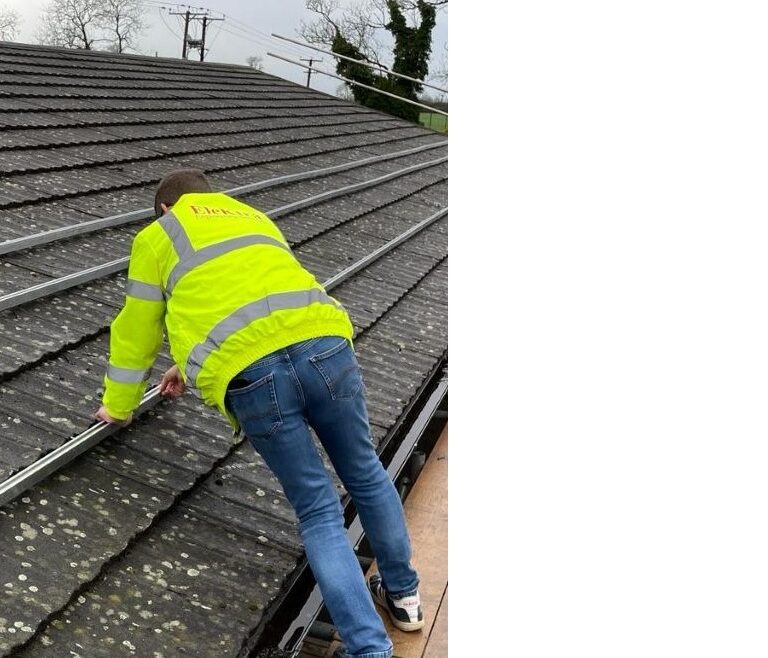
This Image below shows a School receiving a maintenance check from Elektra Smart Energy

These Images below show Maintenance & Testing checks on Solar PV Panels


Energy Company Obligation (ECO4) Scheme

Energy Company Obligation (ECO4) Scheme 560 747 Elektra Smart Energy


Energy Company Obligation (ECO4)Scheme  

Energy Company Obligation ECO4 Scheme is the latest phase of the ongoing government scheme to support low-income households by funding energy-efficient upgrades to homes, reducing carbon emissions, as well as electricity and energy bills. It requires that large energy companies (such as EDF, British Gas, Scottish Power etc.) pay to have energy-saving measures installed in people’s homes. ECO4 provides the opportunity to install solar photovoltaics (PV) in all electrically heated homes, as long as a biomass machine or District Heat Network has been ruled out. This government initiative aims to not only make homes warmer and household emissions lower but to make medium and larger energy companies more accountable for supporting low-income households.

Who is eligible for the Energy Company Obligation ECO4 Scheme?

  • Homeowners, Landlords and Private tenants
  • People receiving income-related benefits
  • Properties with inefficient electric heating, within the D-G energy efficiency band.

Qualifying benefits for the Energy Company Obligation ECO4 Scheme include:

  • Jobseekers Allowance (JSA) Income based
  • Employment and Support Allowance (ESA), income related
  • Housing Benefit
  • Pension Credit
  • Income Support (IS)
  • Universal Credit (UC)
  • Work Tax Credit (WTC)
  • Warm House Discount Scheme Rebate
  • Child Tax Credits
  • Child Benefit, depending on income threshold

Here is the logo for the Energy Company Obligation ECO4 Scheme


Click on the link to find out more about the Energy Company Obligation ECO4 Scheme: Energy Company Obligation (ECO) | Stratford-on-Avon District Council

The LA Flex Scheme

If you are not receiving any benefits, you may still qualify for funding through the LA Flex Scheme. This is an extension of ECO4, created to tackle fuel poverty, which allows you to qualify for free funding that covers the costs of energy-saving measures, such as solar panels. Flex gives councils and local authorities the power to set the eligibility criteria in their area for the ECO4 scheme, meaning that more residents, on top of those receiving benefits, can qualify for funding.

Who is eligible for the scheme?

Although the criteria can vary between councils, LA Flex is generally targeted at two groups of people who are on low incomes:

  1. Those that are in fuel poverty (households spending at least 10% of their net income on heating their home.)
  2. Those who are more vulnerable and at risk during cold weather including:
  • People with cardiovascular conditions
  • People with respiratory conditions
  • People with disabilities
  • People with mental health conditions or learning disabilities that lowers the individual’s ability to look after themselves (including those with dementia)
  • Older people (age 65 and over)
  • Households with young children (0-5)
  • Pregnant women

 Click on the link to find out more: Energy Company Obligation (ECO) | Stratford-on-Avon District Council

Click on the link to find out more: Energy Company Obligation (ECO): Help to Heat scheme – flexible eligibility – GOV.UK (www.gov.uk)

The Green Deal Scheme

The Green Deal helps you make energy-saving improvements to your home through a loan which you’ll have to pay back. Any household with an electricity meter (including prepayment meters) can use the scheme, as long as both the landlord and the tenant agree to the improvements if the building is rented. You must get your property assessed by a qualified Green Deal assessor to use the Green Deal, who will visit your home and talk to you about your property and your energy use to help decide if you could benefit from Green Deal improvements, such as solar photovoltaic (PV) panels. You will then receive a Green Deal advice report which is valid for 10 years, or until you make changes or energy saving improvements to the property, for example you build an extension or change the windows.

A finance plan can then be offered to you by a Green Deal provider for improvements recommended in your Green Deal assessment, which will be based on what you’ll be expected to save on your energy bills. The annual repayments on the loan should therefore not be more than the savings you might make on your energy bills.

The loan differs to a usual loan, as it will be paid back through a charge added to your electricity bill. This is because the Green Deal stays with the property. If you decide to move, you no longer benefit from the improvements and therefore you stop paying for them.

Click on the link to find out more: Green Deal: energy saving for your home: Overview – GOV.UK (www.gov.uk)

The Green Deal Logo


The Smart Export Guarantee (SEG) Scheme

Instead of offering solar panel grants directly; the SEG scheme delivers a solution to reimburse your investment. The scheme requires energy suppliers with over 150,000 customers to pay homeowners for unused solar-generated electricity, feeding any unused electricity from your solar photovoltaic (PV) panels into the National Grid. Under SEG, you get paid for every unit of electricity that you give back to the grid.

Who is eligible for the scheme ?

  • You must install a renewable electricity-generating system (such as solar panels)
  • You will need a smart reader, since you’ll need to provide half-hourly export readings
  • Your installation and installer should be certified through the Microgeneration Certification Scheme (MCS)

The Smart Export Logo

Click on the link to find out more : Smart Export Guarantee (SEG): earn money for exporting the renewable electricity you have generated – GOV.UK (www.gov.uk)

Pay 0% VAT “Energy-Saving Products” until March 2027

Rishi Sunak’s spring statement 2022, announced VAT on ‘energy-saving products’ to be set at 0%, a significant reduction from the previous rate of 5% and the typical charge of 20%. Eligible parties will be reliant on installers and suppliers to qualify for this reduction; the products cannot be bought or installed DIY.

If the cost of the products (not including VAT) is 60% or less of the total cost of the installation (not including VAT), you’ll pay 5% on everything. If the products cost more than 60% of the total cost of installation, homeowners will pay 5% VAT on the labour and the standard rate of 20% for the products. 

0% VAT on Energy Storage Systems, including solar batteries. A significant step by the government to support the adoption of renewable energy technologies and enhance energy efficiency. By eliminating VAT, the government aims to make energy storage solutions more affordable for households and businesses.

Energy Storing

With the 0% VAT rate, upfront cost for installing the systems is significantly reduced. More financially accessible for individuals and organizations to invest in sustainable energy solutions.

This initiative aligns with the UK’s broader goals of reducing carbon emissions and achieving net-zero targets. By promoting the use of energy storage, the policy helps in stabilizing the grid, reducing reliance on fossil fuels, and enhancing energy security. This will stimulate economic growth by creating jobs in the renewable energy sector and driving innovation in energy storage technologies.

Overall, the introduction of 0% VAT on energy storage systems in February 2024 marks a pivotal move towards a greener and more sustainable energy future for the UK.

Click on the link to find out more about us: About – EleKtra Smart Energy

Click on our homepage: Home – EleKtra Smart Energy – Solar energy in Stratford upon Avon

Solar PV and EV Charger Integration

Solar PV and EV Charger Integration 560 745 Elektra Smart Energy


Solar PV and EV Charger Integration 


By Choosing a  Solar PV (photovoltaic) and  EV (electric vehicle) Charger and inverter from the same manufacturer (Integration) brings several advantages, streamlining the entire process from installation to ongoing maintenance.

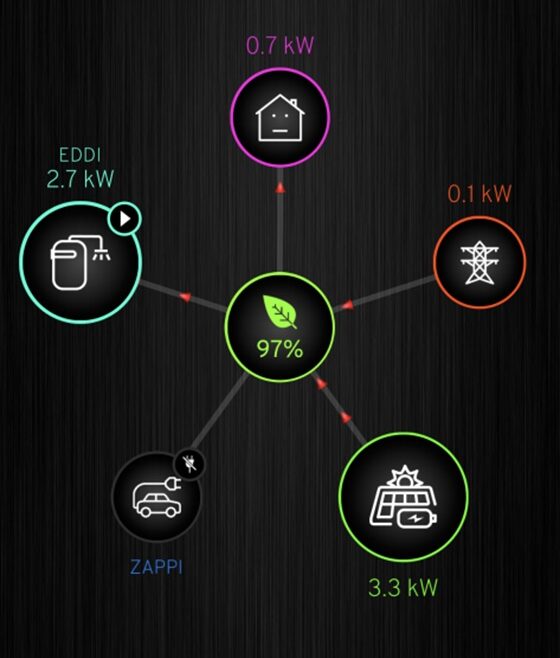
This Image shows Solar PV and EV Charger Integration


Advantages

The foremost benefit is seamless integration. When products come from the same manufacturer, they are designed with compatibility in mind. This ensures that the EV charger and PV inverter work together seamlessly, minimising the risk of compatibility issues during installation. The result is a more straightforward setup process and a system that operates harmoniously.

A shared manufacturer also facilitates optimised communication between the EV charger and PV inverter. This communication enables advanced features such as load management, allowing the system to intelligently allocate solar energy for EV charging. This optimisation enhances the overall performance of the integrated system, making it more efficient and responsive to varying energy needs

Installation and maintenance are further simplified with products from the same manufacturer. Uniform design standards and installation procedures contribute to a smoother process, reducing the potential for errors during setup. In terms of maintenance, having consistent components can simplify troubleshooting and repairs, making it easier for users to address any issues that may arise

The advantage of a Single point of contact for support is significant. Dealing with a single manufacturer for both the EV charger and PV inverter means having a unified support channel. This simplifies the support process, providing users with a direct and cohesive source for customer assistance and technical support.

Load management and integrated solutions often come with advanced load management features. This means the system can prioritise energy usage, directing solar power efficiently to the EV charger while considering the state of the PV battery. This prevents unnecessary drainage during times of low solar generation.

Unified systems allow for real-time monitoring of energy production and consumption. This monitoring capability helps the system adapt to changing conditions, preventing excessive PV battery discharge during unexpected events. When an electric vehicle (EV) charger and a solar photovoltaic (PV) inverter come from the same manufacturer, it reduces the risk of PV battery draining due to seamless integration and optimised communication. This ensures that the solar power generated is efficiently utilised without compromising the stored energy in the PV battery

Click on the Link to view a case study on an EV Charger Click here


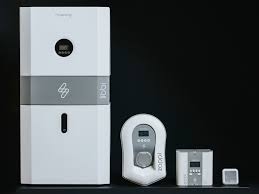
InverterThis Image shows an Inverter


Warranty & Compatibility

Warranty and compatibility assurance are additional benefits. When using products from the same manufacturer, users can have confidence in the compatibility of components, and warranties or guarantees may be more comprehensive. This assurance offers peace of mind, knowing that the integrated system is backed by the manufacturer’s commitment to quality.

There is also the potential for enhanced features. Integrated systems from the same manufacturer may offer advanced functionalities, such as improved monitoring capabilities, real-time data sharing, or software updates that continually enhance system performance. This ensures that the integrated solution remains up-to-date with the latest advancements

From a broader perspective, utilising products from the same manufacturer supports system efficiency and performance. The compatibility between the EV charger and PV inverter optimises energy flow and usage, maximising the utilisation of solar energy for EV charging. This not only reduces dependence on grid power but also contributes to a more sustainable and cost-effective energy solution.

Lastly, the synergy between the EV charger and PV inverter allows for better synchronisation with home energy management systems. This synchronisation enables users to make informed decisions about when to charge their EVs based on solar generation patterns and household energy needs, enhancing overall energy management.

In summary, when the EV charger and PV inverter are from the same manufacturer, they are designed to work seamlessly together. This ensures efficient communication, load management, and real-time monitoring, reducing the risk of unintended PV battery draining and providing a more reliable and optimised solar-powered EV charging system.


This Image is a diagram of how Solar EV chargers work with solar charging