EV charger

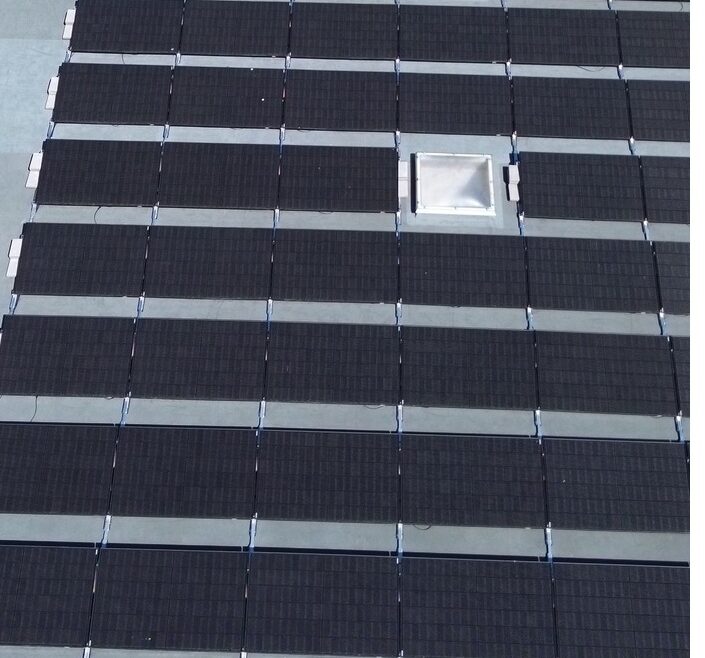
Is it worth getting Solar Panels in the UK?

Is it worth getting Solar Panels in the UK? 705 1024 Elektra Smart Energy
Is It Worth Getting Solar Panels in the UK?

With energy prices continuing to rise and sustainability high on the national agenda, more and more UK homeowners are looking to solar power as a solution. But the question remains: is it worth installing solar panels in the UK, where the sun doesn’t always shine?


Do Solar Panels Work in the UK?

One of the most common myths is that solar panels don’t work well in the UK because of our grey skies. While it’s true we don’t get as much sun as southern Europe, solar panels don’t need constant sunshine—they generate electricity from daylight, not heat.

In fact, many parts of the UK receive over 1,000 hours of sunshine per year. Even on cloudy days, solar panels still produce energy, just at a lower rate.

Modern solar technology allows panels to generate electricity even on overcast days, making them a viable energy solution year-round. In fact, solar panels often perform best in cooler temperatures. Their ideal operating temperature is around 25°C, which happens to be the average of a nice UK summer day—making our mild climate surprisingly well-suited for solar energy.


How much can you save? 

Depending on your location and usage habits, installing solar panels can save a typical UK household £500–£1500 a year on electricity bills. If you add a battery system and shift more of your usage to daylight hours, your savings could be even greater.

Savings can be even higher if you:

Take advantage of low night-time electricity tariff

Use most of your electricity during the day (in case you don’t have battery)

Have a battery storage system

Take advantage of the Smart Export Guarantee (SEG) by selling unused energy back to the grid.

Take advantage of low night-time electricity tariff

What does it cost to go Solar?

At Elektra Smart Energy Ltd, we offer tailored solar PV systems using high-performance Jinko all-black panels and Fox inverters and batteries. Here are a few of our most popular packages:

We offer a wide range of high-quality solar PV systems tailored to suit your energy needs, property type, and budget. Whether you’re after a compact system for a small home or a full hybrid setup with battery storage, we’ve got you covered.

We can install systems from trusted brands including Fox, Tesla, SolarEdge, GivEnergy, SigEnergy, and many more. Every system is custom-designed to match your energy usage, roof space, and long-term goals—whether that’s maximising savings, boosting energy independence, or reducing your carbon footprint.

Here are a few examples of our popular cost-effective system packages:

  1. Solar PV with 8 Panels & 3kW Inverter – £3,750
  • Fox 3.0kW String Inverter
  • 8x Jinko 440W All-Black Panels
  • A cost-effective entry point for small to medium homes
  1. Solar PV with 10 Panels, 3.7kW Inverter & 5.18kWh Battery – £6,750
  • Fox 3.7kW Hybrid Inverter
  • 10x Jinko 440W All-Black Panels
  • Fox EP5 5.18kWh Battery
  • Ideal for households that want to store and use more of their solar energy

3.Solar PV with 14 Panels, 5kW Inverter & 10.36kWh Battery – £8,450

  • Fox 5kW Hybrid Inverter
  • 14x Jinko 440W All-Black Panels
  • Fox EP11 10.36kWh Battery
  • Great for larger homes or those looking for maximum savings and energy independence

We understand that every home and customer is different. That’s why we don’t offer “one-size-fits-all” solutions. Our experts will work with you to design and install a system that’s tailored to your specific needs—ensuring you get the most efficient, cost-effective setup possible.

These systems are designed not only to save you money but to deliver high performance, long-term reliability, and sleek aesthetics.


Environmental Benefits

Installing solar panels isn’t just about cutting bills—it’s also about cutting carbon. A typical solar PV system can reduce your home’s carbon emissions by 1.5 to 2 tonnes of CO₂ per year, making a real impact on the environment.


Incentives and Financial Support

While the Feed-in Tariff has ended, homeowners can still benefit from:

  • The Smart Export Guarantee (SEG) – Get paid for excess electricity you export
  • Zero VAT on Solar – Domestic solar installations are currently VAT-exempt, reducing upfront costs

Is Your Home Solar-Ready?

Before you install, it’s worth considering:

  • Roof orientation and angle – South-facing roofs are ideal, but east/west can still be very effective
  • Shading – Avoiding shade from trees or chimneys improves performance. However, Solar PV system can still be installed in partly shaded area with the right consideration. 

At Elektra Smart Energy Ltd, we offer free consultations to help you assess whether solar is right for your property and energy usage.


The Verdict: Is It Worth It?

For most UK homeowners, yes—solar panels are worth it. While the initial cost is not small, the long-term savings on electricity, potential income from excess energy, and environmental benefits make solar panels a smart investment.

And with energy prices unlikely to fall dramatically any time soon, generating your own electricity offers more control and peace of mind


Ready to Go Solar?

Contact Elektra Smart Energy Ltd today to book your free home survey or speak to one of our energy experts. We’ll walk you through your options and design a custom solar system that works for your home, lifestyle, and budget.


Elektra Smart Energy

9/07/2025



Case Study: Navigating the clash between Britmet Roofing and MCS Requirements

Case Study: Navigating the clash between Britmet Roofing and MCS Requirements 768 1024 Elektra Smart Energy


Project Overview

A recent solar PV installation on a small commercial building presented our team with a unique and complex challenge. The objective was to install 42 solar panels on a roof covered with Britmet Ultratile, a lesser-known lightweight metal tile roofing system. While the technical installation itself was straightforward, the project soon became entangled in a regulatory dilemma involving manufacturer warranties and MCS (Microgeneration Certification Scheme) compliance.

Site Survey and Challenge

During the initial site survey, we identified the roofing material as Britmet Ultratile—an unusual choice for commercial properties and one that limited the compatibility of standard solar mounting systems. Our priority was to ensure that the solar installation did not void the manufacturer’s warranty on the roof.

We reached out directly to Britmet to discuss mounting options that would preserve the warranty. Britmet recommended specific roof hooks manufactured by Renusol, a well-respected name in the solar industry. However, the particular Renusol hooks approved by Britmet for use with their Ultratile system had not yet received MCS certification.

This created a significant dilemma:

  • Using the recommended Renusol hooks would preserve the roof warranty but result in the installation not being eligible for an MCS certificate.
  • Using an MCS-certified mounting system not approved by Britmet could void the client’s roof warranty—an unacceptable risk for both the client and us.


Client Engagement and Decision

We presented the situation to the client with full transparency. After reviewing the pros and cons, the client made an informed decision to proceed with Britmet’s recommended hooks, prioritising the preservation of the roof warranty over obtaining an MCS certificate.


Elektra Smart Energy


Why are Energy Prices so High?

Why are Energy Prices so High? 560 747 Elektra Smart Energy
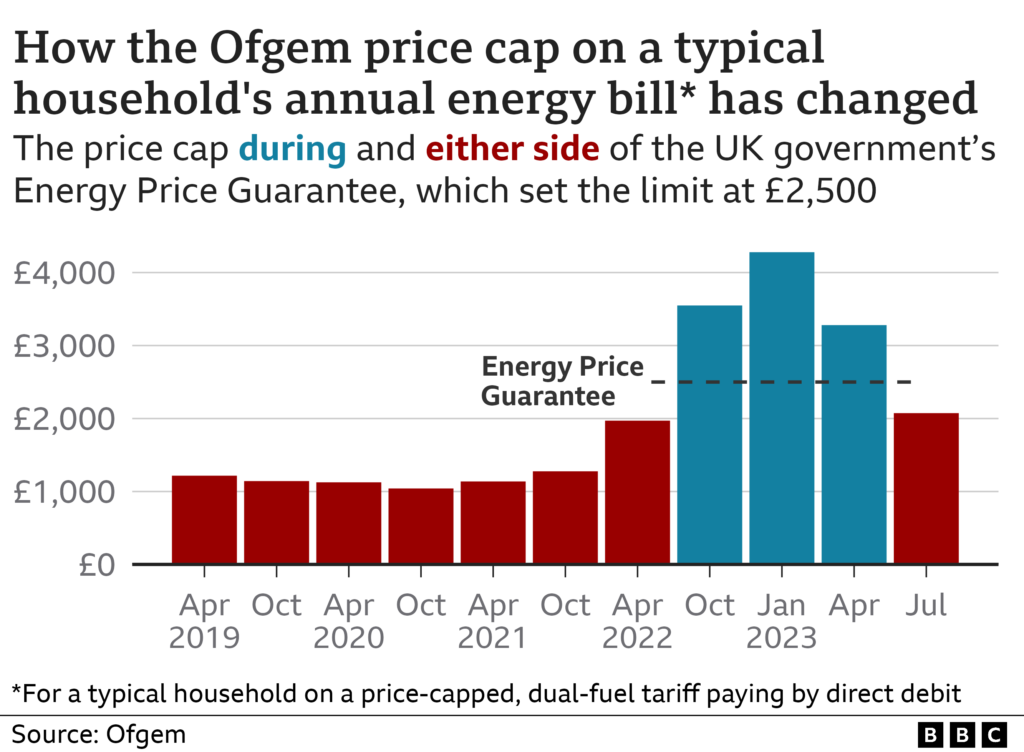
The energy price cap is determined by the energy industry regulator, Ofgem and the cap sets a maximum price that energy suppliers can charge customers for each kilowatt hour (kWh) of energy that they use.  

After a 54% increase to the energy price cap in April 2022, the Energy Price Guarantee (EPG) was enforced .

This was a great reduction from the energy price cap level of £3,280 set by Ofgem.  


What caused the Energy Crisis? 

Our energy bills have been increasing due to supply and demand issues pushing up wholesale energy prices. This is the amount that your provider pays to the energy generators for gas and electricity. It is the rise in these wholesale costs that are the main driver in the energy price spikes. So, what has caused the wholesale prices to rise?  

Peruvian imports have also more than doubled.

Sellindge. This is the European link combining the technical expertise of both the British National Grid and the French RTE. The site is still not running at full capacity, and is aiming to reach this goal by October 2023.  

Why are Energy Bills still so high? 

Our bills are dependent on the wholesale prices of energy, which are now decreasing. Network cost, which makes up 25.35% of our energy bills, pays for fitting and running gas pipes and electricity cables. It also covers the cost of energy firms that have failed. Our energy bills are therefore entirely dependent on the price of imports. As a result, most companies “hedge”.

Will Energy Bills stay down? 

Market analysts do predict that energy prices will continue to decrease from 2023 into 2024. This may spark competition within the industry, pushing prices down further. 


Sophie Ben-Tovim

8/08/2023


Case Study – Beware of Cowboy Installers

Case Study – Beware of Cowboy Installers 768 1024 Elektra Smart Energy
 
Why it’s important to beware of Cowboy Installers – A real life example from Warwick.

Client Name: Mr James N.
Location: Warwick
Date of Quote: March 2025
Proposed System:

  • 7 x 455W Aiko ‘All Black’ Solar Panels
  • Fox ESS 5kW Hybrid Inverter
  • 10.36kWh Battery Storage
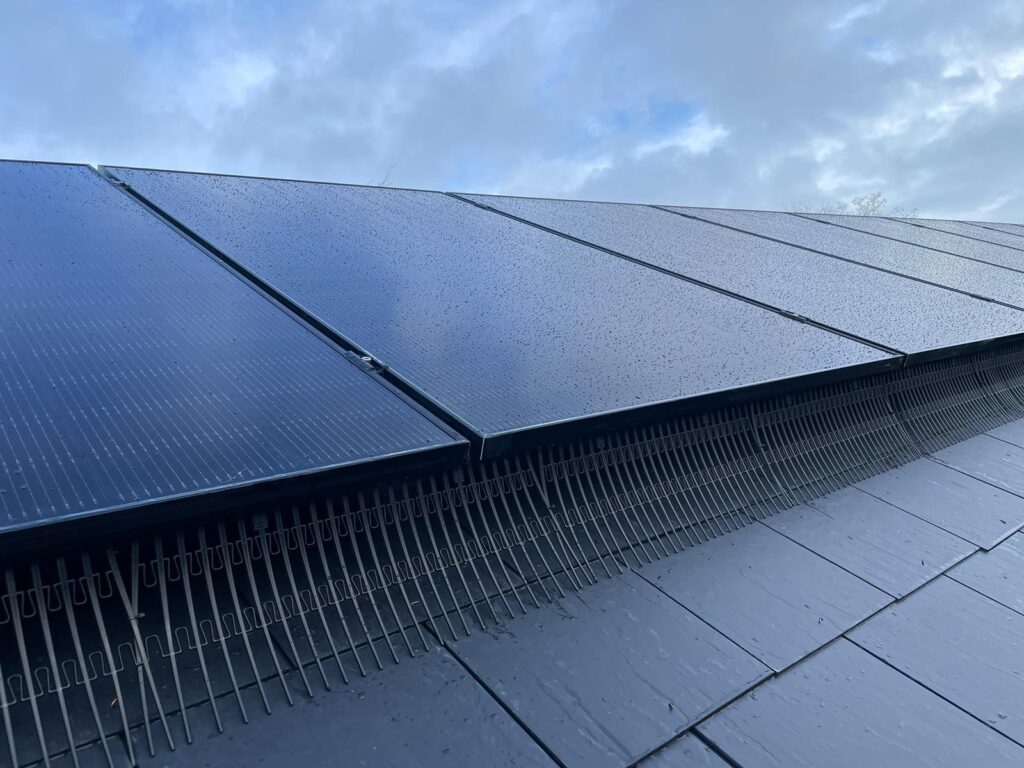
  • BirdBlocker System (included as goodwill)
  • Turnkey Price: £7,513 (inclusive of all professional services and certification)
Overview
In March 2025, we provided a comprehensive and competitive quote to Mr James N. in Warwick for a high-quality Solar PV system. Our offer included not only premium components but also a professional, certified installation process:
  • Professionally erected scaffolding by certified scaffolders
  • Solar panels installed by qualified roofers
  • System wired and commissioned by a fully qualified NICEIC electrician
  • Full compliance with MCS standards and NICEIC certification
  • G99 application (if required), fully insured workmanship warranty, and turnkey project management.


What happened?
Mr James responded very positively to our proposal. However, a few days later, we received the following message:

“Hi both,
Apols I didn’t get back to you.
I agreed to a deal on Monday with a company in Yorkshire who installed the next day and price matched you. To be honest, I got a bit caught up in the moment.
Service wise you came across really well and your price was competitive.
The company I used cut costs by not using scaffolding. I’m now dealing with that as they’ve not done a great job aligning the panels.
Hopefully the info is useful.”

Red Flags in this Scenario:

1. Next-Day Installation:
A next-day install may sound convenient, but it raises concerns. Quality solar installations require planning, permissions (such as the G99 application where applicable), and scheduling of specialist teams. An immediate turnaround suggests corners were likely cut.
2.Lack of Scaffolding:
Professional installers use scaffolding to ensure the safety of both installers and homeowners and to protect the property during installation. Skipping this step puts both the installation and safety at risk — and often voids insurance cover.3.No G99 Application:
Based on the speed of installation, it is almost certain that the installer did not file the necessary G99 application, which is legally required for systems with inverters above 3.68kW. This process typically takes up to two weeks for DNO approval. The alternative would have been to downsize the inverter to 3.68kW to fall under G98, compromising system performance — especially with a 10.36kWh battery.

 
The Consequences:

While the client may have paid the same price, the shortcuts taken likely resulted in:

  • Suboptimal panel alignment
  • Compromised safety
  • Reduced inverter capacity (likely 3.68kW instead of 5kW)
  • Lower battery performance due to inverter bottleneck
  • No BirdBlocker system included
  • No professional scaffolding
  • Risk of non-compliance with MCS and NICEIC standards

A 3.68kW inverter may appear to be “enough,” but when paired with a 10.36kWh battery, it limits the system’s ability to charge and discharge efficiently, particularly during peak household energy usage. This reduces the long-term benefit and ROI of the system. The cost difference between a 3.68kW and a 5kW inverter is marginal, and in our view, well worth the investment.

Conclusion: You get what you paid for
This case highlights the risks of rushing into a solar installation with companies that offer speed over quality. While Mr James matched our quoted price, the value he received was significantly lower.

At Elektra Smart Energy we pride ourselves on delivering high-quality, safe, and future-ready solar solutions — with no compromise on compliance, safety, or workmanship. A well-designed system is an investment for decades, and cutting corners to save a few days or a few pounds can lead to long-term regret.

If you’re considering solar — take your time, ask questions, and choose a company that does it right the first time.

Energy Company Obligation (ECO4) Scheme

Energy Company Obligation (ECO4) Scheme 560 747 Elektra Smart Energy


Energy Company Obligation (ECO4)Scheme  

Energy Company Obligation ECO4 Scheme is the latest phase of the ongoing government scheme to support low-income households by funding energy-efficient upgrades to homes, reducing carbon emissions, as well as electricity and energy bills. It requires that large energy companies (such as EDF, British Gas, Scottish Power etc.) pay to have energy-saving measures installed in people’s homes. ECO4 provides the opportunity to install solar photovoltaics (PV) in all electrically heated homes, as long as a biomass machine or District Heat Network has been ruled out. This government initiative aims to not only make homes warmer and household emissions lower but to make medium and larger energy companies more accountable for supporting low-income households.

Who is eligible for the Energy Company Obligation ECO4 Scheme?

  • Homeowners, Landlords and Private tenants
  • People receiving income-related benefits
  • Properties with inefficient electric heating, within the D-G energy efficiency band.

Qualifying benefits for the Energy Company Obligation ECO4 Scheme include:

  • Jobseekers Allowance (JSA) Income based
  • Employment and Support Allowance (ESA), income related
  • Housing Benefit
  • Pension Credit
  • Income Support (IS)
  • Universal Credit (UC)
  • Work Tax Credit (WTC)
  • Warm House Discount Scheme Rebate
  • Child Tax Credits
  • Child Benefit, depending on income threshold

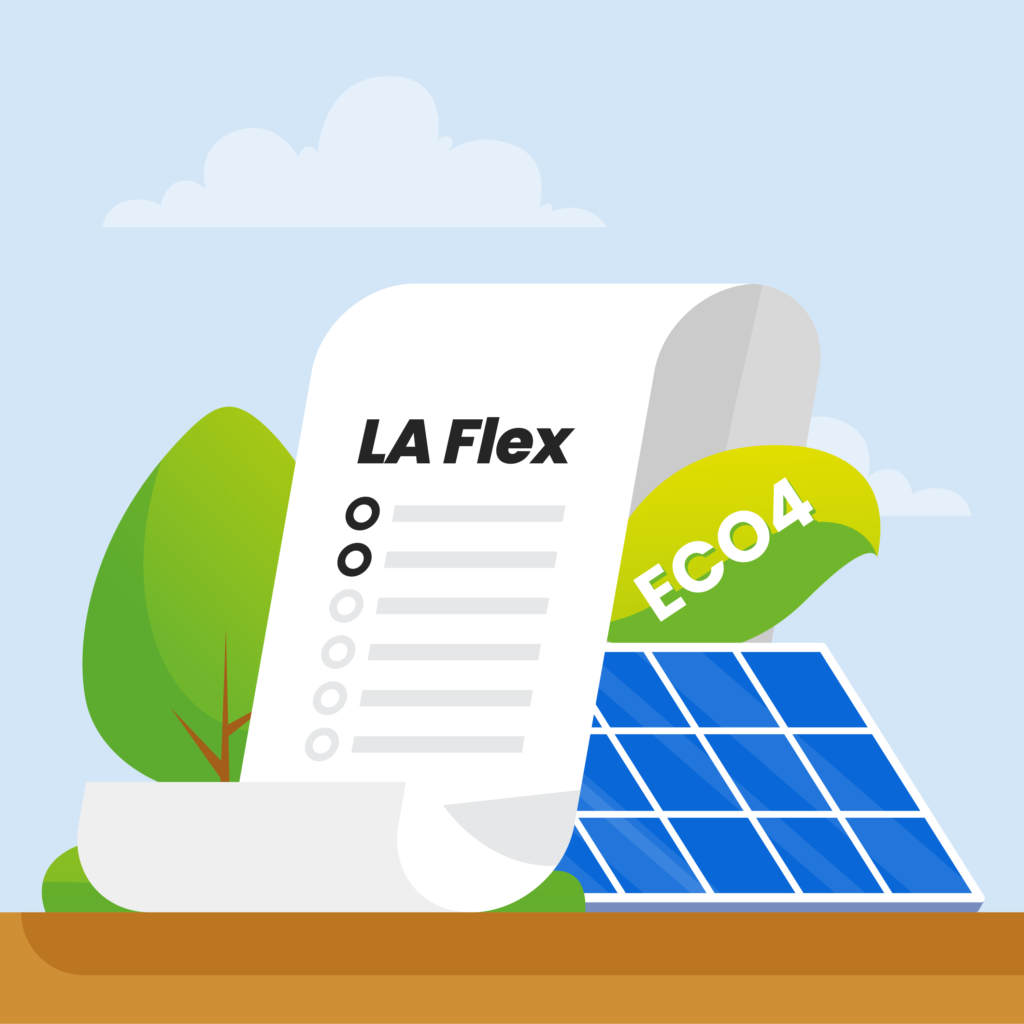
Here is the logo for the Energy Company Obligation ECO4 Scheme


Click on the link to find out more about the Energy Company Obligation ECO4 Scheme: Energy Company Obligation (ECO) | Stratford-on-Avon District Council

The LA Flex Scheme

If you are not receiving any benefits, you may still qualify for funding through the LA Flex Scheme. This is an extension of ECO4, created to tackle fuel poverty, which allows you to qualify for free funding that covers the costs of energy-saving measures, such as solar panels. Flex gives councils and local authorities the power to set the eligibility criteria in their area for the ECO4 scheme, meaning that more residents, on top of those receiving benefits, can qualify for funding.

Who is eligible for the scheme?

Although the criteria can vary between councils, LA Flex is generally targeted at two groups of people who are on low incomes:

  1. Those that are in fuel poverty (households spending at least 10% of their net income on heating their home.)
  2. Those who are more vulnerable and at risk during cold weather including:
  • People with cardiovascular conditions
  • People with respiratory conditions
  • People with disabilities
  • People with mental health conditions or learning disabilities that lowers the individual’s ability to look after themselves (including those with dementia)
  • Older people (age 65 and over)
  • Households with young children (0-5)
  • Pregnant women

 Click on the link to find out more: Energy Company Obligation (ECO) | Stratford-on-Avon District Council

Click on the link to find out more: Energy Company Obligation (ECO): Help to Heat scheme – flexible eligibility – GOV.UK (www.gov.uk)

The Green Deal Scheme

The Green Deal helps you make energy-saving improvements to your home through a loan which you’ll have to pay back. Any household with an electricity meter (including prepayment meters) can use the scheme, as long as both the landlord and the tenant agree to the improvements if the building is rented. You must get your property assessed by a qualified Green Deal assessor to use the Green Deal, who will visit your home and talk to you about your property and your energy use to help decide if you could benefit from Green Deal improvements, such as solar photovoltaic (PV) panels. You will then receive a Green Deal advice report which is valid for 10 years, or until you make changes or energy saving improvements to the property, for example you build an extension or change the windows.

A finance plan can then be offered to you by a Green Deal provider for improvements recommended in your Green Deal assessment, which will be based on what you’ll be expected to save on your energy bills. The annual repayments on the loan should therefore not be more than the savings you might make on your energy bills.

The loan differs to a usual loan, as it will be paid back through a charge added to your electricity bill. This is because the Green Deal stays with the property. If you decide to move, you no longer benefit from the improvements and therefore you stop paying for them.

Click on the link to find out more: Green Deal: energy saving for your home: Overview – GOV.UK (www.gov.uk)

The Green Deal Logo


The Smart Export Guarantee (SEG) Scheme

Instead of offering solar panel grants directly; the SEG scheme delivers a solution to reimburse your investment. The scheme requires energy suppliers with over 150,000 customers to pay homeowners for unused solar-generated electricity, feeding any unused electricity from your solar photovoltaic (PV) panels into the National Grid. Under SEG, you get paid for every unit of electricity that you give back to the grid.

Who is eligible for the scheme ?

  • You must install a renewable electricity-generating system (such as solar panels)
  • You will need a smart reader, since you’ll need to provide half-hourly export readings
  • Your installation and installer should be certified through the Microgeneration Certification Scheme (MCS)

The Smart Export Logo

Click on the link to find out more : Smart Export Guarantee (SEG): earn money for exporting the renewable electricity you have generated – GOV.UK (www.gov.uk)

Pay 0% VAT “Energy-Saving Products” until March 2027

Rishi Sunak’s spring statement 2022, announced VAT on ‘energy-saving products’ to be set at 0%, a significant reduction from the previous rate of 5% and the typical charge of 20%. Eligible parties will be reliant on installers and suppliers to qualify for this reduction; the products cannot be bought or installed DIY.

If the cost of the products (not including VAT) is 60% or less of the total cost of the installation (not including VAT), you’ll pay 5% on everything. If the products cost more than 60% of the total cost of installation, homeowners will pay 5% VAT on the labour and the standard rate of 20% for the products. 

0% VAT on Energy Storage Systems, including solar batteries. A significant step by the government to support the adoption of renewable energy technologies and enhance energy efficiency. By eliminating VAT, the government aims to make energy storage solutions more affordable for households and businesses.

Energy Storing

With the 0% VAT rate, upfront cost for installing the systems is significantly reduced. More financially accessible for individuals and organizations to invest in sustainable energy solutions.

This initiative aligns with the UK’s broader goals of reducing carbon emissions and achieving net-zero targets. By promoting the use of energy storage, the policy helps in stabilizing the grid, reducing reliance on fossil fuels, and enhancing energy security. This will stimulate economic growth by creating jobs in the renewable energy sector and driving innovation in energy storage technologies.

Overall, the introduction of 0% VAT on energy storage systems in February 2024 marks a pivotal move towards a greener and more sustainable energy future for the UK.

Click on the link to find out more about us: About – EleKtra Smart Energy

Click on our homepage: Home – EleKtra Smart Energy – Solar energy in Stratford upon Avon

Solar PV and EV Charger Integration

Solar PV and EV Charger Integration 560 745 Elektra Smart Energy


Solar PV and EV Charger Integration 


By Choosing a  Solar PV (photovoltaic) and  EV (electric vehicle) Charger and inverter from the same manufacturer (Integration) brings several advantages, streamlining the entire process from installation to ongoing maintenance.

This Image shows Solar PV and EV Charger Integration


Advantages

The foremost benefit is seamless integration. When products come from the same manufacturer, they are designed with compatibility in mind. This ensures that the EV charger and PV inverter work together seamlessly, minimising the risk of compatibility issues during installation. The result is a more straightforward setup process and a system that operates harmoniously.

A shared manufacturer also facilitates optimised communication between the EV charger and PV inverter. This communication enables advanced features such as load management, allowing the system to intelligently allocate solar energy for EV charging. This optimisation enhances the overall performance of the integrated system, making it more efficient and responsive to varying energy needs

Installation and maintenance are further simplified with products from the same manufacturer. Uniform design standards and installation procedures contribute to a smoother process, reducing the potential for errors during setup. In terms of maintenance, having consistent components can simplify troubleshooting and repairs, making it easier for users to address any issues that may arise

The advantage of a Single point of contact for support is significant. Dealing with a single manufacturer for both the EV charger and PV inverter means having a unified support channel. This simplifies the support process, providing users with a direct and cohesive source for customer assistance and technical support.

Load management and integrated solutions often come with advanced load management features. This means the system can prioritise energy usage, directing solar power efficiently to the EV charger while considering the state of the PV battery. This prevents unnecessary drainage during times of low solar generation.

Unified systems allow for real-time monitoring of energy production and consumption. This monitoring capability helps the system adapt to changing conditions, preventing excessive PV battery discharge during unexpected events. When an electric vehicle (EV) charger and a solar photovoltaic (PV) inverter come from the same manufacturer, it reduces the risk of PV battery draining due to seamless integration and optimised communication. This ensures that the solar power generated is efficiently utilised without compromising the stored energy in the PV battery

Click on the Link to view a case study on an EV Charger Click here


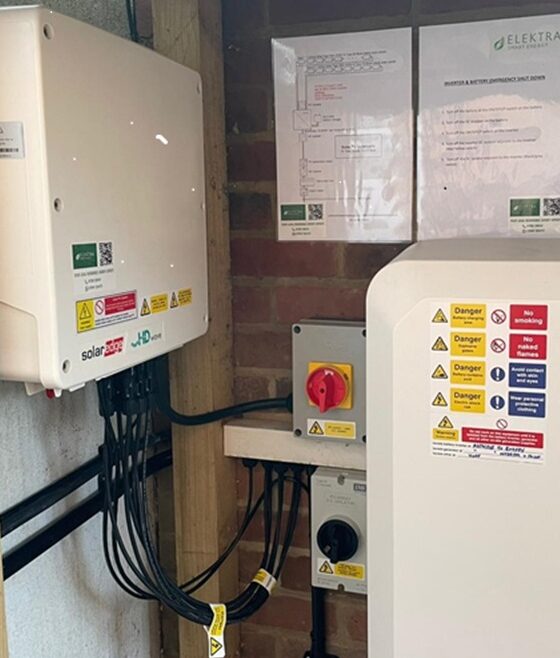
InverterThis Image shows an Inverter


Warranty & Compatibility

Warranty and compatibility assurance are additional benefits. When using products from the same manufacturer, users can have confidence in the compatibility of components, and warranties or guarantees may be more comprehensive. This assurance offers peace of mind, knowing that the integrated system is backed by the manufacturer’s commitment to quality.

There is also the potential for enhanced features. Integrated systems from the same manufacturer may offer advanced functionalities, such as improved monitoring capabilities, real-time data sharing, or software updates that continually enhance system performance. This ensures that the integrated solution remains up-to-date with the latest advancements

From a broader perspective, utilising products from the same manufacturer supports system efficiency and performance. The compatibility between the EV charger and PV inverter optimises energy flow and usage, maximising the utilisation of solar energy for EV charging. This not only reduces dependence on grid power but also contributes to a more sustainable and cost-effective energy solution.

Lastly, the synergy between the EV charger and PV inverter allows for better synchronisation with home energy management systems. This synchronisation enables users to make informed decisions about when to charge their EVs based on solar generation patterns and household energy needs, enhancing overall energy management.

In summary, when the EV charger and PV inverter are from the same manufacturer, they are designed to work seamlessly together. This ensures efficient communication, load management, and real-time monitoring, reducing the risk of unintended PV battery draining and providing a more reliable and optimised solar-powered EV charging system.


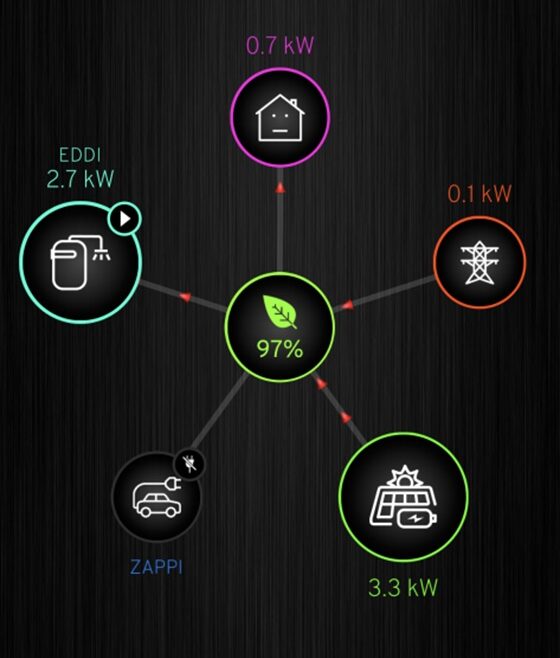
This Image is a diagram of how Solar EV chargers work with solar charging

Case Study – Impressive SolarEdge Solar PV System and EV charger

Case Study – Impressive SolarEdge Solar PV System and EV charger 560 747 Elektra Smart Energy
 
Impressive SolarEdge Solar PV System and EV charger

I would like to share with you our experience on one of our projects that was a Particularly impressive outcome.  We installed a SolarEdge system complied with ‘all black’ panels and bird protection.

Initially the client requested we install 32x N-Type ‘All Black’  435W Jinko Solar panels,  just under 14kW Solar PV system. After a G99 application we received export limitation from the DNO so we  agreed with the client to reduce the system to 9.1kW.

We installed 21 N-Type ‘All Black’ 435W Jinko Solar panels. These panels look smart and include the latest N-type technology and come with a 25-year product warranty and 30-year performance warranty.

The Solar Panels we Installed
What is N-Type technology?

N-type ( “negative-type”) solar PV panels have several advantages over other types of solar panels, such as P-type (P-type meaning “positive-type”). Here are some of the advantages of N-type solar panels:

Higher Efficiency: N-type solar panels typically have higher efficiency compared to P-type panels. Higher efficiency means that they can convert a greater percentage of sunlight into electricity, leading to a better overall performance.

Lower Degradation Rates: N-type solar cells often exhibit lower degradation rates over time. The efficiency of N-type panels tends to degrade slowly compared to other types, so a longer lifespan and more stable performance over the years.

Better Performance in High Temperatures: N-type solar panels generally perform better in high-temperature conditions. They are less sensitive to temperature-related efficiency losses, which is an important factor in regions with hot climates.

Lower Light-Induced Degradation (LID): N-type solar cells are less prone to a phenomenon known as Light-Induced Degradation . Can lead to a temporary decrease in efficiency of solar panels when exposed to sunlight for the first time. N-type cells experience less LID compared to P-type cells.

Higher Voltage Output: N-type solar cells typically have a higher voltage output, which can be advantageous in certain system configurations. Higher voltage can reduce the overall system losses and improve the overall performance of the solar power system.

Lower Sensitivity to Impurities: This reduced sensitivity can contribute to better overall stability and reliability of N-type solar panels.

Important to note that choice between N-type and P-type solar panels depends on various factors, cost, availability, specific application requirements. Advances in technology and manufacturing processes may continue to influence the relative advantages of different types of solar panels.

As part of the SolarEdge System we installed optimisers- one optimiser to each Solar PV panel

Diagram of an Optimiser

What is an Optimiser and why do we need it?

A SolarEdge optimiser is a device used in photovoltaic (PV) solar power systems to maximize energy harvesting from solar panels.

They perform several functions:

Maximum Power Point Tracking (MPPT): Optimisers enable each panel to operate at its optimal voltage and current (maximum power point)

Shade Tolerance: SolarEdge optimisers allow unaffected panels to continue operating at peak efficiency

Monitoring and Safety: SolarEdge optimisers provide real-time monitoring.

Design Flexibility: SolarEdge design flexibility allows the installation of panels with different orientations, tilts, or different types on the same string

In summary:

SolarEdge optimisers enhance overall performance, efficiency, safety of solar power systems by optimising the output of each individual solar panel. Not every solar installation requires optimisers, they are particularly beneficial where shading, panel mismatch, or variable environmental conditions are prevalent

We installed a SolarEdge 10kWh single phase inverter for any future expansion with 20kWh batteries. It gave the client the following benefits:

    • During sunny days the client is able to store up to 20kWh of electricity in the battery  to be used at night when the Solar PV doesn’t generate electricity with no or very minimal use of electricity from the grid.

    • During cloudy days where the Solar PV doesn’t provide enough electricity required, the battery can be charged during the night-time at night’s tariff, which is 25% of the cost of day’s tariff to be used in the daytime.  This is called Energy arbitrage – meaning storing energy for use during pick hours guarantees much cheaper electricity prices throughout the day.


    For more info about optimisers: Click here

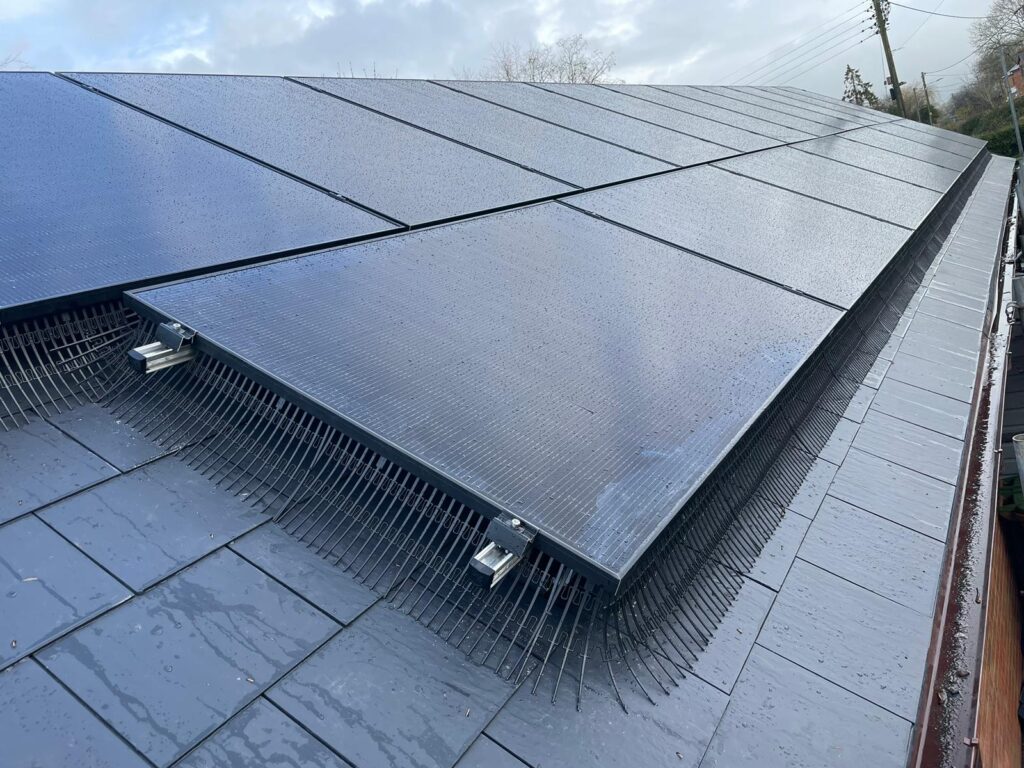
    We also installed a bird blocker

    A “solar PV bird blocker” refers to a device or system designed to prevent birds from nesting or perching on solar photovoltaic (PV) installations. Birds can sometimes pose issues for solar panels by leaving droppings that reduce efficiency, scratching or pecking at the panels,  nesting in the areas around the panels  and increases risk of fire. 

    Whilst there are several solutions and systems offered in the market to block birds from going under the solar panels, we believe placing a screen around the solar array is the more efficient solution.

    In this project we used a ‘BirdBlocker’ system, which offers 99% certainty that bird will not go under your array and made of 100% recyclable material. This system also come with 10 year warranty.  

    For more information on BirdBlocker: Click here


    The BirdBlocker we Installed

    Finally, we installed a Smart EV charger, unfortunately SolarEdge are yet to launch their EV charges in the UK, which would be the ideal EV charger to work with the Solar Edge. However, in this case we installed a Smart Ratio EV charger with additional CT to monitor the load and reduce the risk of the EV charger draining the Solar PV batteries. The Ratio EV charger is a very smart charger, in addition to the Dynamic Load Balancing functionality, it can charge your EV using 100% free energy generated from the home Solar PV system.

    For more Smart EV Charger details Click here

    Impressive SolarEdge Solar PV System and EV charger!

    Electrifying the Future with Electric Vehicles: A Comprehensive Guide

    Electrifying the Future with Electric Vehicles: A Comprehensive Guide 560 747 Elektra Smart Energy
    Table of Contents


      Introduction to Electric Vehicles (EVs)

      The Rise of Electric Mobility

      The automotive industry is undergoing a transformative shift towards electric mobility, driven by environmental concerns and advancements in technology. Electric vehicles (EVs) are becoming increasingly popular as consumers seek cleaner and more sustainable transportation options. This shift is fuelled by a global push to reduce greenhouse gas emissions, decrease dependence on fossil fuels, and create a more sustainable future.

      Environmental Benefits of Electric Vehicles

      One of the most compelling reasons behind the rise of electric mobility is the significant environmental benefits that EVs offer. Unlike internal combustion engine vehicles, EVs produce zero tailpipe emissions, reducing air pollution and improving urban air quality. This reduction in emissions directly contributes to the fight against climate change and the preservation of our natural environment.

      Electric vehicles also play a pivotal role in lowering noise pollution. Their quiet operation enhances the quality of life in urban areas, making them particularly well-suited for densely populated regions. Furthermore, the use of electricity as a fuel source for EVs enables a transition to renewable energy sources, such as solar and wind power, for charging. This further reduces the carbon footprint associated with vehicle operation, creating a positive feedback loop that reinforces sustainable transportation practices.

      How Electric Vehicles Work

      Understanding Electric Drivetrains and Components

      Electric drivetrains are at the core of electric vehicles (EVs) and play a crucial role in their operation. Unlike internal combustion engines, EVs use electric motors for propulsion. These motors convert electrical energy from the battery into mechanical energy that drives the vehicle. Electric drivetrains consist of several key components:

      Electric Motor: The heart of the drivetrain, the electric motor generates torque to turn the wheels. There are various motor types, including asynchronous (AC) and synchronous (DC) motors, each with its own efficiency and performance characteristics.

      Inverter: The inverter converts direct current (DC) from the battery into alternating current (AC) to power the electric motor. It also controls the motor’s speed and torque.

      Transmission: Some EVs use single-speed transmissions, while others have multi-speed options to optimise performance and efficiency. Electric motors inherently provide instant torque, eliminating the need for complex gear systems.

      Differential: Just like in traditional vehicles, the differential transfers power to the wheels while allowing them to rotate at different speeds during turns.

      Understanding these components is essential to grasp how electric drivetrains function and how they contribute to the unique driving experience of electric vehicles.


      Battery Technology: Lithium-Ion, Solid-State, and Beyond

      The heart of any electric vehicle is its battery, which stores and supplies the energy needed for propulsion. Lithium-ion batteries are the most common type used in EVs due to their high energy density, efficiency, and relatively mature technology. These batteries consist of anode and cathode materials separated by an electrolyte.

      Solid-state battery technology is emerging as a potential game-changer. Solid-state batteries use a solid electrolyte instead of a liquid one, offering higher energy density, faster charging, and improved safety. While still in the research and development stage, solid-state batteries hold great promise for the future of EVs.

      Researchers are also exploring beyond lithium-ion and solid-state technologies, investigating alternatives like lithium-sulphur and lithium-air batteries. These technologies have the potential to offer even higher energy densities, longer ranges, and faster charging times, further enhancing the capabilities of electric vehicles.

      Advantages of Electric Vehicles

      Zero Emissions and Reduced Air Pollution of Electric Vehicles

      Electric vehicles (EVs) are instrumental in addressing one of the most pressing environmental challenges of our time: air pollution and carbon emissions. Unlike traditional internal combustion engine vehicles that emit tailpipe pollutants and greenhouse gases, EVs produce zero tailpipe emissions. This means that when you drive an electric vehicle, you are contributing directly to cleaner air and a healthier environment.

      Air pollution, primarily caused by vehicle emissions, is linked to various health issues such as respiratory diseases, heart problems, and even premature death. By transitioning to electric vehicles, we can significantly reduce the harmful pollutants that degrade air quality and threaten public health. This is especially crucial in urban areas where vehicle emissions are a major contributor to smog and poor air quality.

      Lower Operating Costs and Maintenance Requirements

      Electric vehicles offer significant financial benefits to owners, primarily through lower operating costs and reduced maintenance requirements. EVs have fewer moving parts than internal combustion engine vehicles, resulting in less wear and tear. This translates to lower maintenance costs and fewer trips to the mechanic.

      Moreover, the cost of electricity to power an EV is generally lower than the cost of gasoline or diesel fuel. Electric vehicles have higher energy efficiency, allowing you to travel farther on a single charge compared to a gallon of gasoline. As a result, EV owners can save substantially on fuel costs over the lifetime of the vehicle.

      Additionally, governments in many regions offer incentives such as tax credits, rebates, and reduced registration fees for electric vehicles. These incentives further contribute to the financial appeal of owning an EV.

      Enhanced Driving Experience and Performance

      Electric vehicles provide a unique and enhanced driving experience. The instant torque delivery of electric motors results in quick acceleration and responsive handling. This instantaneous power delivery creates a smooth and exhilarating driving sensation that sets electric vehicles apart from their traditional counterparts.

      Furthermore, electric vehicles operate quietly compared to internal combustion engine vehicles, reducing noise pollution and contributing to a more serene driving environment, especially in urban areas.

      The absence of a traditional gasoline engine also allows for creative vehicle designs and packaging. Electric vehicles often have spacious interiors and well-utilised cabin space since they don’t require bulky engine components.

      In terms of performance, many electric vehicles boast impressive acceleration and top speeds, challenging the notion that electric cars are lacking in power. High-performance electric models are gaining popularity and showcasing the incredible potential of electric drivetrains.

      Types of Electric Vehicles

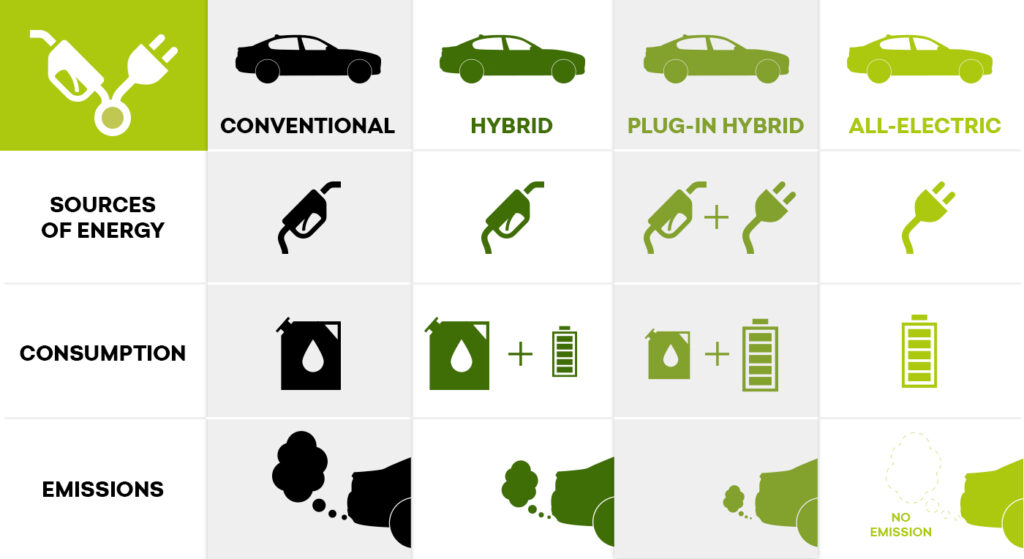
      Battery Electric Vehicles (BEVs)

      Battery Electric Vehicles (BEVs) are fully electric vehicles powered exclusively by an onboard battery pack. They produce zero tailpipe emissions, relying solely on electricity for propulsion. BEVs are charged from external sources, such as charging stations or home chargers, and offer a range that varies based on battery capacity. With advancements in battery technology, BEVs are becoming increasingly popular due to their environmental friendliness, energy efficiency, and lower operating costs. They are well-suited for daily commuting and urban driving, making them a key player in reducing carbon emissions and promoting sustainable transportation.

      Plug-in Hybrid Electric Vehicles (PHEVs)

      Plug-in Hybrid Electric Vehicles (PHEVs) combine an internal combustion engine with an electric motor and battery. PHEVs can be charged externally, allowing them to operate in electric-only mode for shorter distances before switching to the internal combustion engine. This dual powertrain setup provides flexibility for longer journeys, as the gasoline engine extends the overall range. PHEVs offer reduced emissions and improved fuel efficiency compared to traditional vehicles, making them a transitional option for those seeking to reduce their carbon footprint while maintaining the convenience of longer trips.

      Hybrid Electric Vehicles (HEVs)

      Hybrid Electric Vehicles (HEVs) utilise both an internal combustion engine and an electric motor to provide power. Unlike PHEVs, HEVs do not have an external charging capability and rely on regenerative braking and the internal combustion engine to charge their batteries. HEVs switch seamlessly between the gasoline engine and electric motor to optimise efficiency and reduce fuel consumption. While they offer lower emissions and better fuel efficiency than conventional vehicles, HEVs have limited electric-only driving capabilities. They are an ideal choice for those looking for improved fuel economy without relying solely on electric power.

      Fuel Cell Electric Vehicles (FCEVs)

      Fuel Cell Electric Vehicles (FCEVs) Fuel Cell Electric Vehicles (FCEVs) are a unique type of electric vehicle that use hydrogen fuel cells to generate electricity, which powers the vehicle’s electric motor. FCEVs emit only water vapour and heat as byproducts, making them completely emissions-free at the tailpipe. Hydrogen fuel is stored in onboard tanks and is converted to electricity through a chemical reaction with oxygen from the air. FCEVs offer fast refuelling times and extended ranges compared to battery electric vehicles. However, the availability of hydrogen refuelling infrastructure is currently limited, restricting their widespread adoption. FCEVs represent a promising technology with the potential to contribute significantly to a clean and sustainable transportation future.

      Read our blog for a more detailed comparison of Battery Electric Vehicles vs Hydrogen Fuel Cell Electric Vehicles


      Charging Your Electric Vehicle

      Home Charging: Level 1 and Level 2 Charging

      Home charging is a convenient and essential aspect of electric vehicle ownership. Level 1 charging utilises a standard household outlet (120V) and is the slowest option, providing around 2-5 miles of range per hour of charging. While suitable for overnight charging, it’s best for shorter daily commutes. Level 2 charging, on the other hand, operates on a 240V circuit and offers faster charging speeds, delivering approximately 10-20 miles of range per hour. Many homeowners install Level 2 charging stations at home, allowing for quicker and more efficient charging.

      Public Charging Stations: Level 2 and DC Fast Charging

      Public charging stations complement home charging by offering convenient options for those on the go. Level 2 public chargers, often found in parking garages, workplaces, and shopping centers, provide relatively fast charging rates, making them suitable for longer stops during the day. DC Fast Charging, also available at public stations, delivers high-voltage direct current (DC) and offers rapid charging, typically providing 60-80 miles of range in just 20-30 minutes. These stations are strategically located along highways and busy routes for quick top-ups during travel.

      Planning Charging Stops for Longer Journeys

      For longer journeys, planning charging stops is crucial to ensure a smooth and uninterrupted trip. Electric vehicle owners can use various online tools and mobile apps to locate charging stations along their route and estimate charging times. DC Fast Charging stations can help minimize longer stops, while Level 2 stations at rest areas or attractions allow for breaks while recharging.

      Charging Networks and Mobile Apps

      Charging networks and mobile apps play a vital role in locating, accessing, and monitoring charging stations. Networks like Tesla’s Supercharger and third-party providers offer memberships or pay-as-you-go options for easy access to their charging infrastructure. Mobile apps provide real-time information on station availability, pricing, and even reservations. They often include features like route planning, notifications, and remote monitoring of charging progress, empowering electric vehicle owners with the tools to efficiently manage their charging needs, whether at home or on the road.

      Range and Battery Management

      Understanding Electric Vehicle Range

      Electric vehicle (EV) range is a fundamental concept that defines how far an EV can travel on a single charge. It’s a crucial consideration for potential EV owners as it determines the practicality of their daily commutes and longer journeys. The advertised range, typically provided by manufacturers, represents the distance the vehicle can travel under optimal conditions, including moderate speeds and temperate weather. However, real-world range varies due to several factors.

      Factors Affecting Range: Driving Habits, Weather, and Terrain

      Multiple factors influence an electric vehicle’s range beyond ideal conditions. Driving habits play a significant role. Aggressive acceleration, high speeds, and abrupt braking can drain the battery faster, reducing overall range. Weather conditions, particularly extreme cold or hot temperatures, impact the efficiency of the battery and energy-consuming systems like heating and air conditioning. Additionally, hilly terrain and frequent stops can also affect range by requiring more energy.

      Battery Health and Longevity Tips

      Maintaining battery health is essential for optimizing electric vehicle range and longevity. Charging practices significantly impact battery life. It’s advisable to avoid consistently charging the battery to 100%, as it can accelerate degradation over time. Instead, keeping the battery between 20% and 80% capacity helps preserve its health. Extreme temperatures, both hot and cold, can negatively affect battery performance and longevity. Parking in shaded areas or using a garage can mitigate temperature-related stress on the battery.

      Regular software updates from the manufacturer can also improve battery efficiency and overall vehicle performance. Following manufacturer-recommended maintenance procedures, such as tire rotations and brake checks, ensures the vehicle operates at its best efficiency. Staying within the recommended weight limits and reducing unnecessary cargo also helps conserve energy and extend range.

      Selecting the Right Electric Vehicle

      Assessing Your Driving Needs and Lifestyle for Electric Vehicles

      Transitioning to an electric vehicle (EV) involves evaluating your driving habits and lifestyle. Consider your daily commuting distance, the availability of charging infrastructure at home or work, and the types of journeys you frequently undertake. Assess whether an EV’s range aligns with your typical driving patterns. Additionally, evaluate your parking situation, as convenient charging access is crucial. By matching an EV’s capabilities with your routine and requirements, you can ensure a seamless and efficient transition to sustainable transportation.

      Comparing Different Models and Features of Electric Vehicles

      When selecting an electric vehicle, research and compare various models to find the one that suits your needs. Consider factors such as range, battery capacity, charging times, interior space, and technological features like infotainment systems and driver assistance tools. Evaluate the availability of public charging stations along routes you frequently travel. Test-driving different models allows you to experience their performance and comfort first-hand, aiding in an informed decision. By carefully assessing the options, you can choose an electric vehicle that aligns with your preferences and lifestyle.

      Considering Incentives and Rebates

      Incentives and rebates offered by governments and utility companies can significantly reduce the upfront cost of an electric vehicle. Research the available incentives in your region, which may include tax credits, rebates, reduced registration fees, and access to carpool lanes. These incentives contribute to the financial feasibility of electric vehicle ownership. Additionally, some manufacturers offer special promotions or financing options for electric vehicles. By taking advantage of these incentives, you not only contribute to a greener future but also enjoy cost savings that make electric vehicle adoption even more attractive.

      Economics of Electric Vehicles

      Total Cost of Electric Vehicle Ownership Comparison with Internal Combustion Engine Vehicles

      When evaluating electric vehicle (EV) ownership in the UK, considering the total cost is essential. While EVs may have a higher initial price than internal combustion engine (ICE) vehicles, they offer long-term savings. Lower running costs, reduced maintenance, and potential tax benefits contribute to a competitive cost of ownership. Comparing these factors against ICE vehicles helps assess the economic viability of EVs over time.

      Calculating Savings on Fuel and Maintenance

      Electric vehicles in the UK typically have lower fueling costs compared to traditional gasoline or diesel vehicles. Charging an EV with electricity is often cheaper per mile than refueling with fossil fuels. Additionally, EVs have fewer moving parts, resulting in reduced maintenance requirements. The UK’s growing charging infrastructure further enhances convenience and accessibility, making EV ownership financially appealing.

      Financial Incentives, Tax Credits, and Rebates

      The UK government encourages electric vehicle adoption through financial incentives, tax credits, and rebates. The Plug-in Car Grant provides a subsidy towards the purchase price of eligible EVs, reducing upfront costs. Drivers also benefit from reduced Vehicle Excise Duty (road tax) and exemption from the London Congestion Charge. Workplace charging schemes and grants for home charging installations further contribute to lowering costs for potential EV owners. By capitalising on these incentives, UK residents can enjoy the economic advantages of electric vehicle ownership while contributing to a cleaner environment.

      Read our blog to further understand the renewable energy grants available to you.

      Challenges and Myths about Electric Vehicles

      Addressing Range Anxiety and Charging Concerns

      Range anxiety, the fear of running out of battery power, is a common concern for potential electric vehicle (EV) owners. However, advancements in battery technology and the expanding charging infrastructure are alleviating this anxiety. Increased EV range and the availability of fast-charging stations reduce the likelihood of encountering range-related issues. Additionally, planning routes and utilizing mobile apps to locate charging stations can help ease worries about long journeys.

      Debunking Common Misconceptions

      Several misconceptions surround electric vehicles that can deter potential buyers. Concerns about limited range, lack of charging infrastructure, and high upfront costs are often overstated. In reality, many modern EVs offer competitive ranges suitable for daily commutes, charging infrastructure is rapidly growing, and incentives reduce purchase prices. Furthermore, misconceptions about EV performance, including doubts about acceleration and power, are debunked by the impressive capabilities of electric drivetrains.

      Overcoming Infrastructure Limitations

      While charging infrastructure is expanding, some regions may still face limitations. Overcoming these challenges involves strategic planning and advocacy for increased charging availability. Local governments and private entities can collaborate to develop a robust network of charging stations, ensuring EV owners have convenient access to charging. Public-private partnerships and investments in fast-charging technology can accelerate the transition to electric mobility and contribute to a more sustainable transportation ecosystem.

      Infrastructure Development and Policy Support

      Expanding Charging Networks: Challenges and Progress

      Expanding charging networks for electric vehicles (EVs) is a critical step towards widespread adoption. While progress has been made, challenges persist. Balancing the demand for charging infrastructure with the pace of EV adoption is essential. The installation of charging stations requires coordination among governments, private companies, and utilities. Overcoming infrastructure limitations, such as ensuring availability in rural areas and multi-unit dwellings, is crucial.

      Collaborative efforts are driving progress. Governments are incentivizing charging station installations and regulations are being streamlined to expedite the process. Private companies are investing in charging infrastructure, and innovative solutions like curbside charging and battery-swapping stations are being explored. With continued advancements in fast charging technology, the convenience of charging will further improve, addressing concerns about range anxiety and supporting EV growth.

      Government Initiatives and Support for Electric Mobility

      Governments worldwide are playing a pivotal role in accelerating electric mobility. Through incentives like tax credits, rebates, and grants, they encourage EV adoption and charging infrastructure development. Some governments set ambitious targets to ban internal combustion engine vehicles, further driving the shift towards electric mobility. Investments in public charging networks and research contribute to creating an EV-friendly ecosystem.

      The Role of Corporations in Accelerating EV Adoption

      Corporations are influential catalysts in the EV transition. Many companies are electrifying their fleets, showcasing the practicality of EVs and demonstrating commitment to sustainability. Corporate investment in charging infrastructure, both at workplaces and public locations, enhances convenience for employees and customers. Additionally, collaboration with automakers and charging network providers can create synergies for EV growth. By incorporating electric vehicles into their operations and advocating for supportive policies, corporations contribute significantly to the accelerated adoption of EVs, fostering a cleaner and more sustainable transportation landscape.

      Future Trends and Innovations

      Advances in Battery Technology and Energy Density

      The evolution of electric vehicle (EV) battery technology is driving significant improvements in energy density, a key factor in enhancing range and overall performance. Advancements in battery chemistry, such as the adoption of lithium-ion and solid-state batteries, have led to higher energy storage capacities. These breakthroughs allow EVs to travel longer distances on a single charge, alleviating range anxiety and increasing their appeal to a broader audience. As battery technology continues to improve, EVs are becoming more practical and viable alternatives to internal combustion engine vehicles, accelerating the transition to sustainable transportation.

      Autonomous Electric Vehicles

      The convergence of electric and autonomous vehicle technologies holds transformative potential for the automotive industry. Autonomous electric vehicles (AEVs) combine the benefits of emission-free driving with self-driving capabilities. AEVs have the potential to reshape urban mobility, reduce traffic congestion, and enhance road safety. The integration of AI, sensors, and connectivity enables AEVs to navigate and make decisions independently, revolutionizing personal transportation and mobility services.

      Integration with Renewable Energy Sources

      The integration of electric vehicles (EVs) with renewable energy sources forms a symbiotic relationship that enhances sustainability. EVs can serve as energy storage solutions, using their batteries to store excess renewable energy and feed it back into the grid when needed. This vehicle-to-grid (V2G) concept supports grid stability and promotes the use of clean energy. Moreover, EV charging can be synchronised with renewable energy generation, optimising consumption and reducing carbon emissions. The harmonious interaction between EVs and renewables advances the vision of a cleaner and more efficient transportation system powered by sustainable energy sources.


      Maintenance and Servicing of Electric Vehicles

      Simplified Maintenance Requirements for EVs

      Electric vehicles (EVs) offer simplified maintenance requirements compared to traditional internal combustion engine vehicles. With fewer moving parts, EVs have reduced wear and tear, resulting in less frequent servicing. There’s no need for oil changes, transmission maintenance, or exhaust system repairs. Regenerative braking systems also contribute to brake longevity. While EVs still require routine checks on tires, brakes, and suspension, the absence of many mechanical components streamlines maintenance and lowers costs over time.

      Regular Inspections and Battery Care

      Regular inspections remain essential to ensure an electric vehicle’s optimal performance and safety. Periodic checks on tire pressure, brake systems, and fluid levels help maintain efficiency. Battery care is crucial too; keeping the battery within recommended temperature ranges and avoiding prolonged exposure to extreme conditions can extend its lifespan. Following manufacturer guidelines for charging habits and battery maintenance ensures continued reliability.

      Finding Qualified EV Service Centres

      When seeking maintenance or repairs for your electric vehicle, it’s crucial to find qualified service centres. Look for certified technicians with expertise in EV systems, as they are equipped to diagnose and address specific issues. Dealerships or independent service centres with EV training and equipment ensure proper care. Online resources, manufacturer directories, and community forums can help identify reputable service providers. Choosing a qualified EV service centre guarantees that your vehicle receives the necessary attention from professionals who understand the unique requirements of electric vehicle technology.

      Driving Green: Tips for Electric Vehicle Owners

      Maximising Efficiency through Driving Techniques

      Efficient driving techniques play a crucial role in maximising the range and overall efficiency of electric vehicles (EVs). Smooth and gradual acceleration, along with gentle braking, helps optimise energy regeneration. Anticipating traffic flow and using regenerative braking effectively can extend battery life. Maintaining a consistent speed and avoiding rapid accelerations and decelerations conserve energy. Utilising eco-driving modes, available in many EVs, adjusts power delivery for improved efficiency. Planning routes to avoid steep inclines whenever possible and utilising cruise control on highways also contribute to efficient EV operation. By adopting these techniques, EV drivers can maximise range and minimise energy consumption, enhancing their driving experience and environmental impact.

      Charging Etiquette and Strategies

      Charging etiquette and strategies are essential for effective and courteous use of public charging infrastructure. Prioritize the use of fast-charging stations for drivers with low battery levels to reduce wait times. Avoid parking at charging stations after your EV is fully charged to allow others access. Plan charging sessions to minimize idle time after reaching a full charge. Utilize mobile apps to check station availability and to get real-time updates on charging progress. By adhering to charging etiquette and employing strategic charging practices, EV owners contribute to a smoother charging experience for all and support the growing EV community.

      Integrating EVs into a Sustainable Lifestyle

      Integrating electric vehicles (EVs) into a sustainable lifestyle involves conscious choices beyond driving habits. Charging EVs with renewable energy sources, such as solar panels, reduces the carbon footprint of charging. Time your charging sessions to take advantage of periods with higher renewable energy generation. Combining EV ownership with energy-efficient home practices, like LED lighting and smart thermostats, further reduces environmental impact. Participating in ridesharing and carpooling initiatives using your EV promotes sustainable transportation. Additionally, adopting a multi-modal approach by combining EVs with public transportation, cycling, or walking for shorter trips enhances overall sustainability. By aligning EV ownership with eco-friendly habits, individuals can contribute significantly to reducing emissions and building a more sustainable future.

      Case Studies and Real-Life Examples

      Have a read of our customer testimonials for stories of homeowners successfully installing electric vehicles chargers, including lessons learned, tips, and insights.

      Sophie Ben-Tovim

      16/08/2023

      Why are Energy Prices so High?

      Why are Energy Prices so High? 560 747 Elektra Smart Energy
      The energy price cap is determined by the energy industry regulator, Ofgem and the cap sets a maximum price that energy suppliers can charge customers for each kilowatt hour (kWh) of energy that they use.  

      After a 54% increase to the energy price cap in April 2022, the Energy Price Guarantee (EPG) was enforced .

      This was a great reduction from the energy price cap level of £3,280 set by Ofgem.  

      What caused the Energy Crisis? 

      Our energy bills have been increasing due to supply and demand issues pushing up wholesale energy prices. This is the amount that your provider pays to the energy generators for gas and electricity. It is the rise in these wholesale costs that are the main driver in the energy price spikes. So, what has caused the wholesale prices to rise?  

      Peruvian imports have also more than doubled.

      Sellindge. This is the European link combining the technical expertise of both the British National Grid and the French RTE. The site is still not running at full capacity, and is aiming to reach this goal by October 2023.  

      Why are Energy Bills still so high? 

      Our bills are dependent on the wholesale prices of energy, which are now decreasing. Network cost, which makes up 25.35% of our energy bills, pays for fitting and running gas pipes and electricity cables. It also covers the cost of energy firms that have failed. Our energy bills are therefore entirely dependent on the price of imports. As a result, most companies “hedge”.

      Will Energy Bills stay down? 

      Market analysts do predict that energy prices will continue to decrease from 2023 into 2024. This may spark competition within the industry, pushing prices down further. 

      Sophie Ben-Tovim

      8/08/2023

      Hydrogen Fuel Cells or Electric Vehicles; What Does the Future Hold? 

      Hydrogen Fuel Cells or Electric Vehicles; What Does the Future Hold?  556 743 Elektra Smart Energy

      Across Europe, the sales of battery electric cars (BEVS) are increasing, with more sold each week now than in the entire year of 2012.

      They avoid the need for fossil fuels. Will hydrogen fuel cells be the real revolution of the future?

      The International Energy Agency (IEA) claim there is a mismatch between the strengthened climate ambitions of the auto industry, and the availability of critical materials. Lithium and cobalt are two key components and are becoming the most valuable commodities on the planet. As finite materials, depleted when used. This poses the question; could hydrogen fuel cells demonstrate a more sustainable future for the car industry? 

      So how does a hydrogen fuel cell work?

      • Contains a fuel tank that stores hydrogen in its gas form, since liquid hydrogen requires cryogenic temperatures (-253°C).
      • It combines hydrogen and oxygen in a chemical reaction that generates electricity.
      • It is used to power the vehicle, with water vapour as the only waste product.
      • Since hydrogen is the most abundant element in the universe, hydrogen fuel cells are a completely renewable energy source. They have no polluting outputs, but hydrogen is present in nearly all molecules in living things.
       
      hydrogen fuel cells

      Over 90% of hydrogen fuel produced currently comes from fossil fuels. Natural gas is reacted with high-temperature steam for synthesis gas. Carbon monoxide is reacted with water to produce additional hydrogen. This method is the cheapest, most efficient. It is a common way to obtain hydrogen, but the hydrogen generated only holds around 75% of the energy used to produce it. This means it costs more energy to obtain hydrogen than it will generate when reversed in the fuel cell. Carbon dioxide and carbon monoxide are two greenhouse gases. They are also waste products of this technique, consequently rendering natural gas reforming a highly inefficient and counterintuitive procedure. 

      Alternatively, electrolysis of water uses an electric current to split water into hydrogen and oxygen. If electricity is produced by renewable sources, solar or wind, the hydrogen is entirely renewable. This procedure seems faultless in theory, but it does not quite work in practice. With current technology, conventional electrolysis produces hydrogen at only 75% efficiency. We can investigate this efficiency further, noting the hydrogen requires storage in a high-pressure tank. A study by the European Federation for Transport and Environment, found storage of hydrogen at such high pressure requires 40% of the energy stored in the fuel itself. The most efficient hydrogen-fuel cells then convert the stored hydrogen into electricity.  It powers the electric motor of the car with 60% efficiency. This motor is then 95% efficient. Only 25% of the initial energy produced at the power station is converted into the motion of your car.  
      The important comparison between electric vehicles and hydrogen fuel cells. Electricity is easier and more efficient to transport than hydrogen and uses existing infrastructure to do so. After transportation, it is significantly more efficient to Retrieve energy from batteries than to convert it in a fuel cell. Electricity travels through existing power lines with 95% efficiency. Charging a lithium battery is 90% efficient. Using the power from that battery in an electric motor is around 95% efficient. Approximately 73% of the initial energy produced at the power station is converted into the motion of your car. This is almost three times more efficient than the hydrogen fuel cell.  


      Comprehending that both the electric battery, and the hydrogen fuel cell are just methods to deliver electrical energy to an electrical motor. The battery stores this electricity directly and efficiently for use. The fuel cell requires a chain of processes, that each use up a part of the energy along the way. A hydrogen car will not prove environmentally sustainable until the energy required to produce and transport the hydrogen can be generated purely and much more efficiently through renewable techniques.  
      On a day-to-day level, with only 15 hydrogen filling stations, compared with 43,626 electric vehicle charging points, across the United Kingdom, hydrogen is not a practical option for many of us looking to use our vehicles regularly for work and leisure. Most automakers have shifted their focus towards electric vehicles, with only Toyota and Hyundai producing hydrogen fuel cells for the UK. Both Toyota and Hyundai’s models are expensive to buy, with the Hyundai Nexo priced at around £70,000 and the Toyota Mirai at £50,000. Furthermore, once you’ve bought the car, the running costs are currently higher than for a conventional or electric car. In the UK, hydrogen fuel ranges from £10 to £15 per kg, meaning that it will cost around £11.40 to cover 100km, compared with £7.48 for petrol, £6.76 for diesel, and just £2.79 to charge an electric vehicle to cover this distance.  
      So why talk about hydrogen fuel cells at all? 

      There is extensive debate over whether there is enough lithium and cobalt locked inside igneous rock formations and saltwater brine to meet the demand of an electric car revolution. Hannah Ritchie, a data scientist at Oxford University, examined this question in detail. Although the earth hosts approximately 88 million tonnes of lithium, which is enough to supply electric vehicles for decades into the future, only 25% of this is economically viable to mine. Ritchie found that these reserves would be enough to power 2.8 billion EVs, compared with the 1.4 billion cars on the road at present. Likely to increase with innovations and developments in mining and battery technology. Nevertheless, Ritchie’s estimations also showed that an electrified economy by 2030 would require between 250,000 to 450,000 tonnes of lithium, compared to the 105 tonnes of lithium produced worldwide in 2021. This is the major obstacle of the electric vehicle revolution:

      How do we increase our lithium production by 250,000%, and fast?  
      To understand electric vehicles further, read our comprehensive guide to electrifying the future.

      Sophie Ben-Tovim

      19/06/2023