Case studies

Case Study: Fixing a Poor Solar PV GSE (In-Roof System) Installation

Case Study: Fixing a Poor Solar PV GSE (In-Roof System) Installation 768 1024 Elektra Smart Energy


The Problem

A homeowner in Stratford Upon Avon had a solar System with a GSE integrated tray solution installed by a previous contractor. Shortly after the installation, water began leaking into the property. Despite multiple attempts t resolve the issue, the leaks persisted, causing damage disruption and concern.

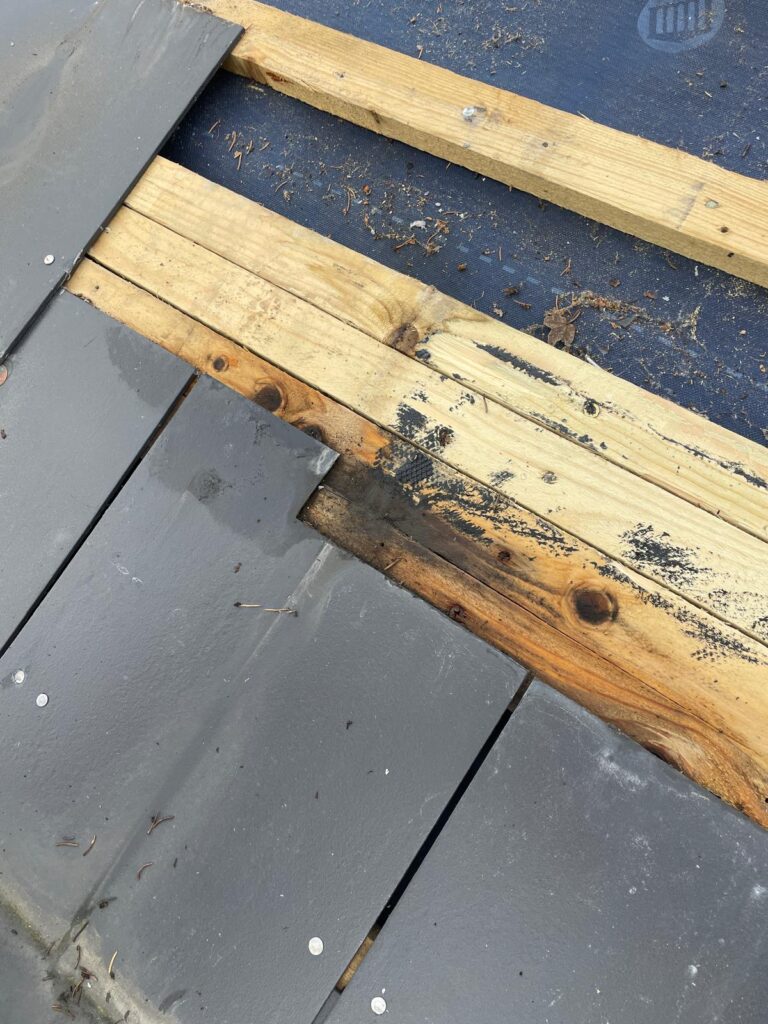
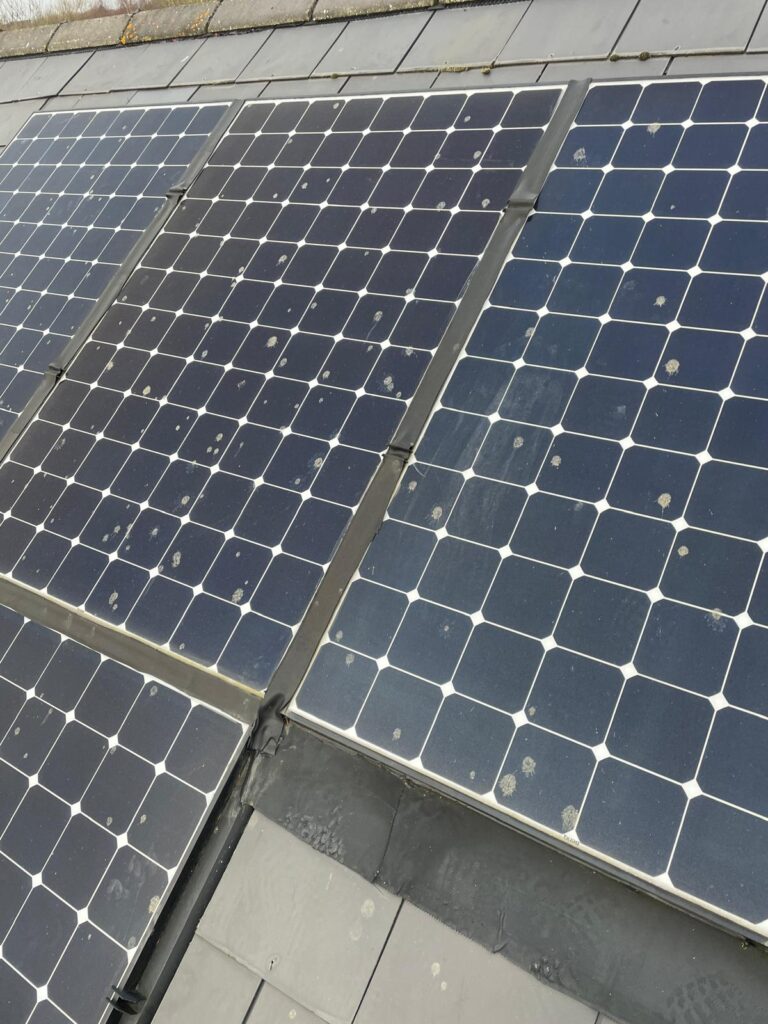
These Images show the GSE integrated tray solution leaking into the property.
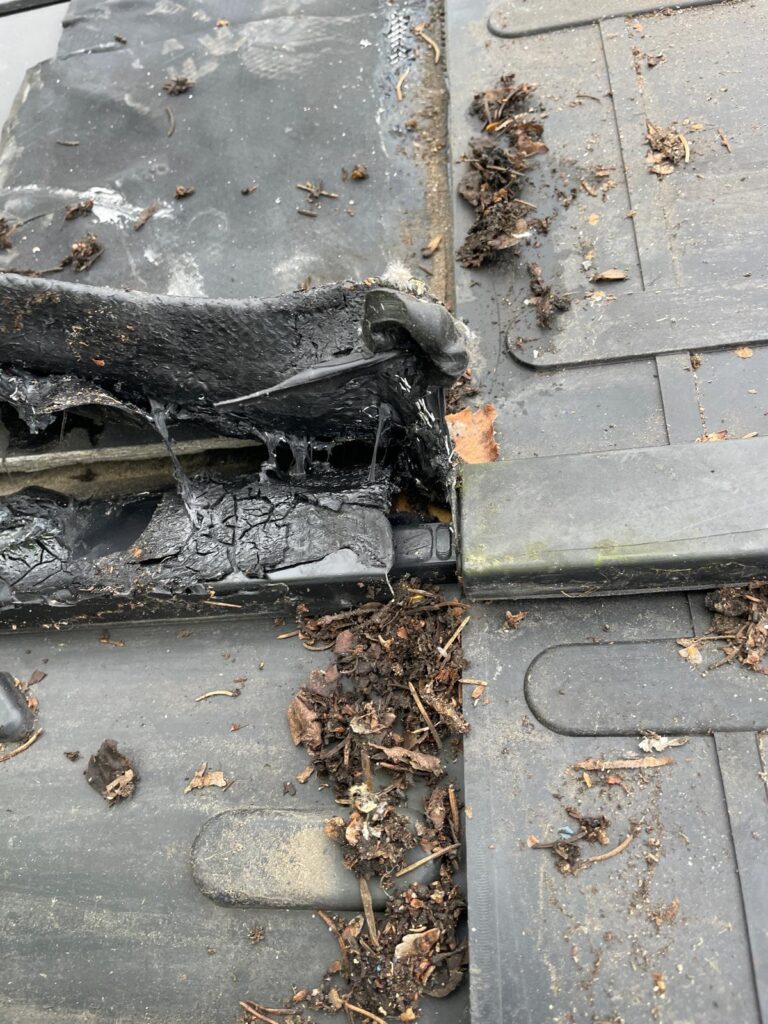


Initial Inspection after Elektra Smart Energy was contacted to access the problem.

Upon inspection, our team discovered that the solar PV system had been installed to a very poor standard. The GSE tray modules and solar panels were incorrectly fitted, with improper sealing and alignment that allowed rainwater to infiltrate the roof structure.

Problems with the Original Installation
A closer examination revealed several specific faults in the original work:

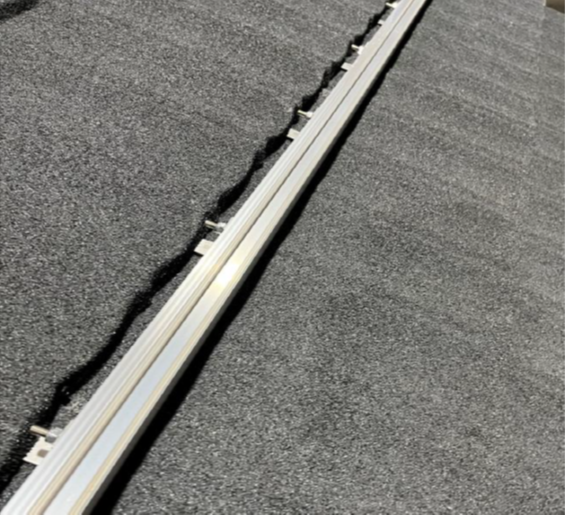
  • Incorrectly fitted flashing, both side flashing and flexible types.
  • Flexible flashing not lapped correctly, which failed to divert water effectively.
  • Side flashing not pushed up to create a proper lap, compromising the seal.
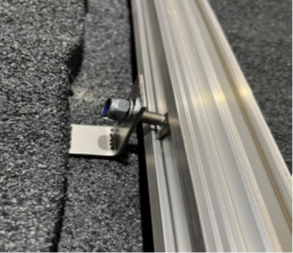
  • Panel clips lacked waterproof foam on the underside, preventing a watertight seal between clip and tray.
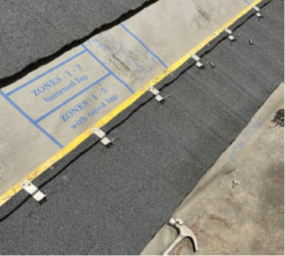
  • Roof tiles were not lapped correctly at the head of the tray, further exposing the roof to leaks.

Challenges
One major complication was that the GSE trays and solar panels used in the original installation were outdated and had been discontinued. This meant that simply replacing or repairing individual components was not an option.

Our Solution
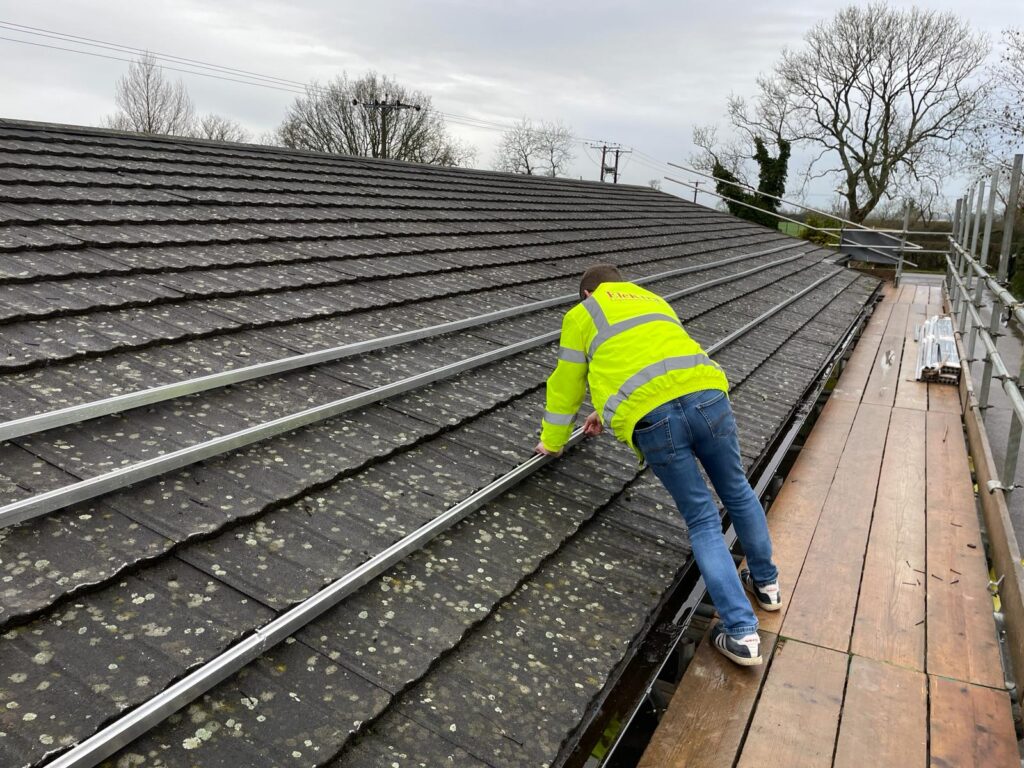
To resolve the issue properly, Elektra Smart Energy decided to fully strip out the existing system, including all panels and trays. We supplied and installed a completely new GSE integration system along with a new set of high-efficiency, all-black solar panels. These new panels not only delivered a higher energy output, but also offered a much sleeker and more aesthetically pleasing appearance that blended better with the property’s roofline.


 The Result

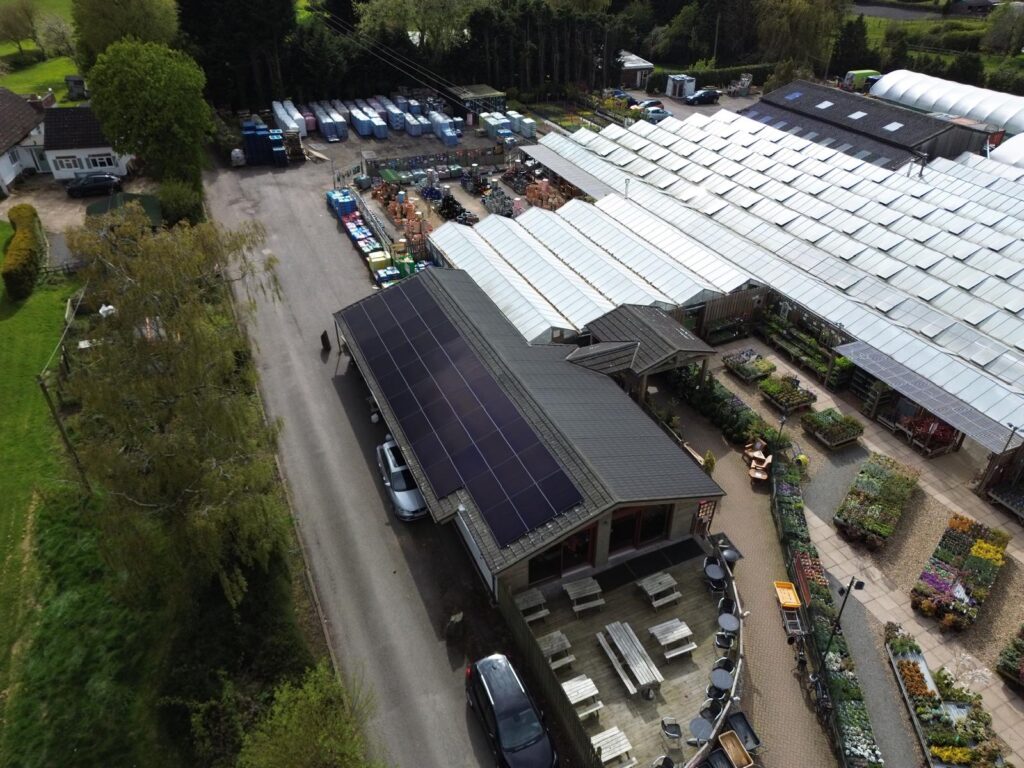
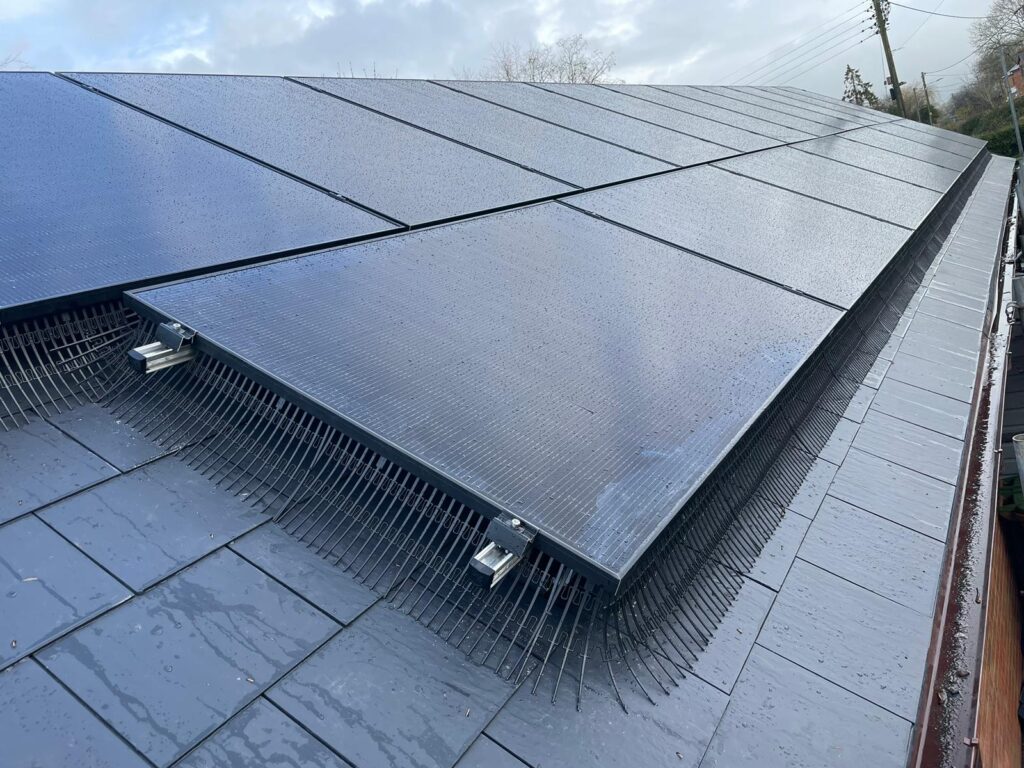
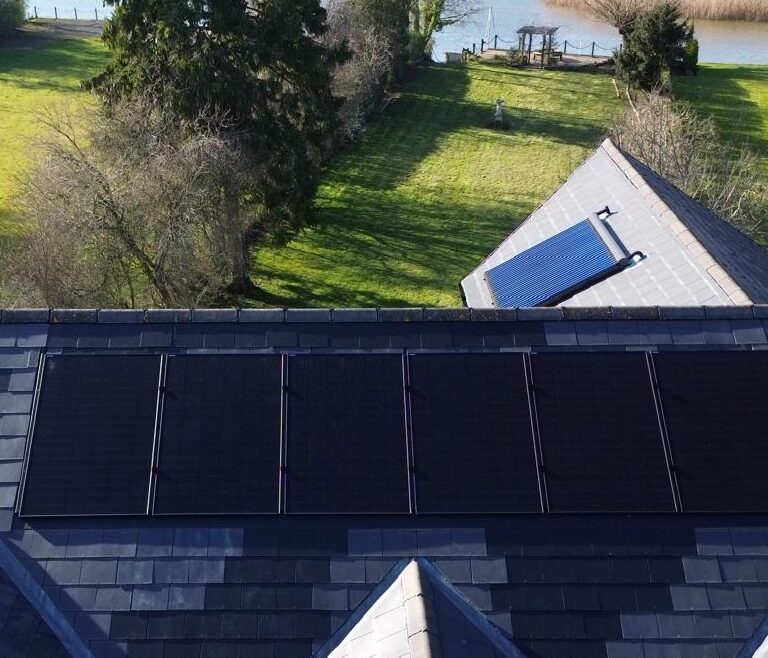
The ResultThis Image shows the new Installation

 The new installation was completed to the highest of standards.

The roof was fully sealed and all water leaks were eliminated.

The homeowner was extremely satisfied as not only was the issue finally resolved, but the performance and visual appeal of the system were significantly improved.

Customer Feedback
“After months of frustration trying to fix the leaks, Elektra Smart Energy came in and sorted it all out professionally. The new system not only works perfectly, but it also looks great on the house. I couldn’t be happier.”

Conclusion
This project showcases Elektra Smart Energy’s commitment to quality workmanship, technical excellence, and customer satisfaction. By replacing a poorly installed system with modern, high-performing components, we ensured a lasting solution and another happy customer in Stratford-upon-Avon.


Elektra smart Energy

03/07/2025


Case Study: Navigating the clash between Britmet Roofing and MCS Requirements

Case Study: Navigating the clash between Britmet Roofing and MCS Requirements 768 1024 Elektra Smart Energy


Project Overview

A recent solar PV installation on a small commercial building presented our team with a unique and complex challenge. The objective was to install 42 solar panels on a roof covered with Britmet Ultratile, a lesser-known lightweight metal tile roofing system. While the technical installation itself was straightforward, the project soon became entangled in a regulatory dilemma involving manufacturer warranties and MCS (Microgeneration Certification Scheme) compliance.

Site Survey and Challenge

During the initial site survey, we identified the roofing material as Britmet Ultratile—an unusual choice for commercial properties and one that limited the compatibility of standard solar mounting systems. Our priority was to ensure that the solar installation did not void the manufacturer’s warranty on the roof.

We reached out directly to Britmet to discuss mounting options that would preserve the warranty. Britmet recommended specific roof hooks manufactured by Renusol, a well-respected name in the solar industry. However, the particular Renusol hooks approved by Britmet for use with their Ultratile system had not yet received MCS certification.

This created a significant dilemma:

  • Using the recommended Renusol hooks would preserve the roof warranty but result in the installation not being eligible for an MCS certificate.
  • Using an MCS-certified mounting system not approved by Britmet could void the client’s roof warranty—an unacceptable risk for both the client and us.


Client Engagement and Decision

We presented the situation to the client with full transparency. After reviewing the pros and cons, the client made an informed decision to proceed with Britmet’s recommended hooks, prioritising the preservation of the roof warranty over obtaining an MCS certificate.


Elektra Smart Energy


Case Study – Improper Integration of Single-Phase Battery Inverter in a Three-Phase Domestic System

Case Study – Improper Integration of Single-Phase Battery Inverter in a Three-Phase Domestic System 1200 1600 Elektra Smart Energy
 

Case StudyImproper Integration of Single-Phase Battery Inverter in a Three-Phase Domestic System

Client: Domestic Homeowner

Overview

In the evolving domestic renewable energy market, an increasing number of households are investing in solar PV systems and battery storage to reduce reliance on the grid. However, a concerning trend has emerged: the improper installation of single-phase inverters in three-phase systems. This case study highlights a real-world example where a lack of understanding by the installer led to suboptimal system performance and wasted investment.


Client Background and Initial System

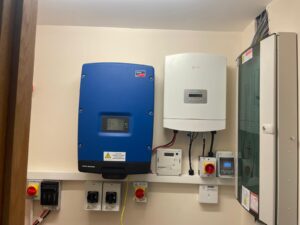
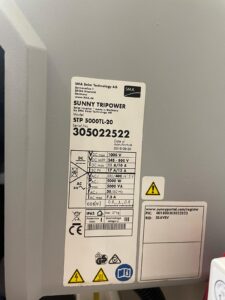
The client, a homeowner with a three-phase electrical system, originally had a 5kW SMA Sunny Tripower string inverter installed—an appropriate choice for a three-phase supply. The system performed as expected, efficiently converting solar energy across all three phases of the property.


Battery System Installation-The Error

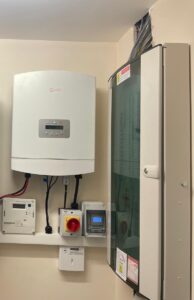
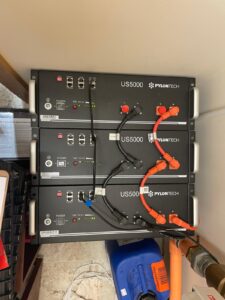
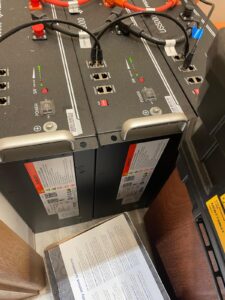
Later, the client sought to enhance the system by adding battery storage to capture excess solar energy for use during non-sunlight hours. Unfortunately, the installer added a single-phase Solis AC-coupled inverter paired with 3x Pylontech US5000 batteries, providing a total of 14.4kWh storage (13.68kWh usable).

Critical Issues Identified:

1. Single-Phase Inverter on a Three-Phase System

  • The AC-coupled inverter was connected to only one of the three phases, effectively backing up just one-third of the house’s electrical circuits.
  • As a result, two-thirds of the household loads were left unpowered by the battery system, rendering the installation inefficient and not fit for purpose.


2. Visible Installation Flaws:

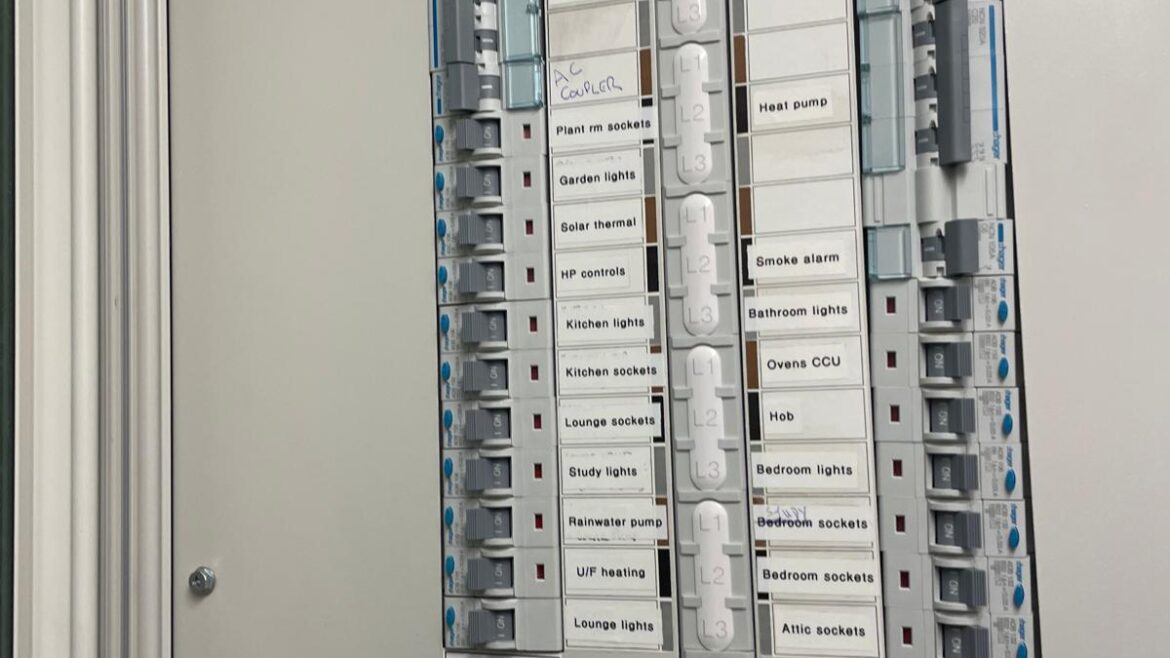
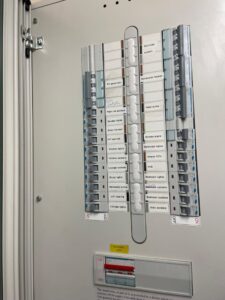
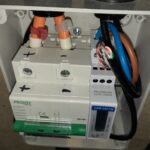
    • The consumer unit clearly shows a single-phase MCB labeled “AC coupler” installed adjacent to the three-phase MCB for the PV inverter.
    • This basic oversight highlights a fundamental misunderstanding of electrical phase balancing and system integration.

3. Orientation of Pylontech Batteries:

    • The batteries were installed facing upward, contrary to Pylontech’s official guidelines, which mandate vertical mounting with terminals facing forward.
    • This poses serious issues:
      • Reduced heat dissipation
      • Increased internal stress
      • Potential warranty voidance


Manufacturer Installation Requirements: Pylontech US5000

  • Correct Orientation:
    • Stand vertically on base
    • Terminals facing forward
  • Why This Matters:
    • Heat Management: Vertical placement enables proper airflow.
    • Structural Integrity: Maintains correct internal cell alignment.
    • Warranty Compliance: Non-compliance risks voiding manufacturer support.
Consequences and Resolution Challenges

Upon inspection, Elektra Smart Energy identified the issues and offered a solution:

  • Replace both the battery and inverter with components designed for a three-phase system.
  • Unfortunately, the Pylontech US5000 batteries are not compatible with three-phase inverters, making an inverter-only upgrade impractical.
  • The client opted not to proceed with a full system replacement due to cost, leaving them with a partially effective solution that fails to meet the energy needs of the entire property.

Key Takeaways

  • Lack of installer expertise can lead to poor system performance, safety concerns, and wasted investment.
  • Homeowners often rely on professionals for technical advice—they should not be expected to understand phase systems.
  • It is the installer’s responsibility to ensure compatibility, proper design, and safe implementation.

Elektra Smart Energy: The Right Choice

At Elektra Smart Energy, we are qualified electrical engineers with a strong foundation in three-phase systems, battery integration, and renewable energy technology. We design systems tailored to your property, rather than forcing one-size-fits-all solutions.

Whether you’re planning a new solar installation or looking to retrofit battery storage, we ensure compatibility, safety, and maximum efficiency—no compromises.

Don’t pay the price for someone else’s learning curve. Choose competence. Choose Elektra Smart Energy.


Case Study – Reviving a dormant GivEnergy battery Installation

Case Study – Reviving a dormant GivEnergy battery Installation 768 1024 Elektra Smart Energy
 
Case Study- Reviving a Dormant GivEnergy Battery Installation

Client: Domestic Homeowner
Location: Whichford
System Type: GivEnergy Hybrid Inverter & Battery Storage
Installation Date: June 2023
Issue Reported: Battery not charging or discharging

Background

In June 2023, a GivEnergy hybrid inverter and battery storage system was installed by a company that has since ceased trading. Just one month later, in mid-July 2023, the homeowner began experiencing issues — the battery ceased to function, unable to charge or discharge. Over the course of the following year, the client made numerous unsuccessful attempts to resolve the issue through both the original installer and other third-party contractors.


Our Involvement

The client contacted us on a Friday in [June 2024]. Given the nature of the problem and the original installer no longer being in business, our first step was to transfer the monitoring account associated with the system to our online portal. This enabled remote access to the system for diagnostic purposes.

After reviewing the available data, we scheduled a site visit for the following Wednesday.

Diagnosis & Repair

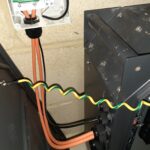
On-site inspection confirmed our suspicion: the battery had entered a deep sleep state due to prolonged inactivity, with the voltage dropping below its operational threshold. This is a common issue when a battery is left unpowered and unmonitored for extended periods.

To recover the battery:

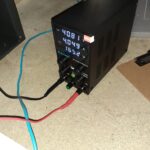
  • We used an external DC power supply to “wake up” the battery.
  • The recovery process took approximately three hours.
  • All firmware was updated.
  • A full battery calibration was performed later that evening, with the support of GivEnergy’s technical team.

Ongoing Monitoring & Follow-Up

We closely monitored the system over the following days to ensure stable operation and proper charging/discharging cycles. The system has remained operational and efficient since the repair.

Additional Issues Identified

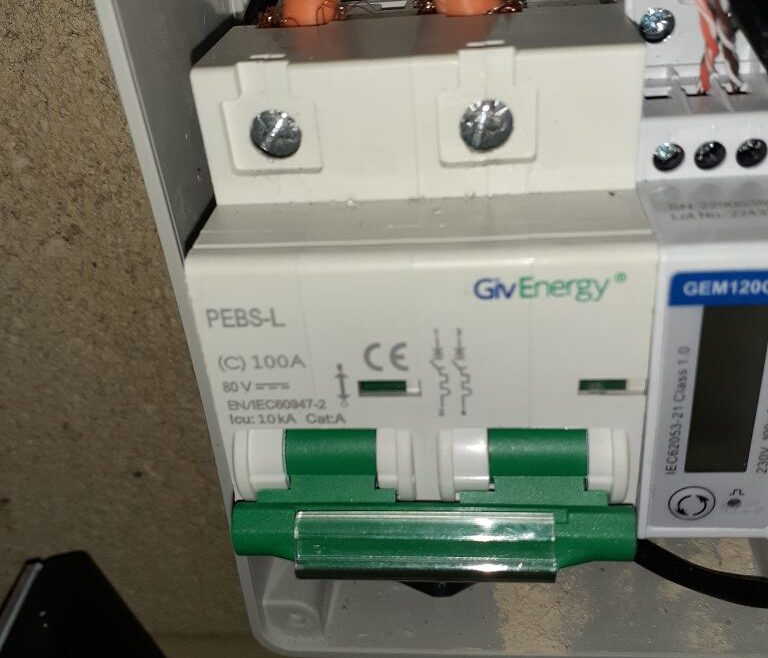
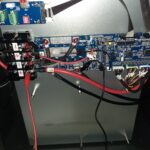
During the site visit, we identified several installation shortcomings that did not comply with GivEnergy or MCS standards. The most critical issue was with the DC miniature circuit breaker (MCB) between the inverter and battery. Poor cable termination had caused intermittent tripping, ultimately leading to the battery being isolated and discharging completely.

To rectify:

  • We replaced all battery cabling.
  • Installed ferrules in accordance with GivEnergy’s wiring standards.
  • Properly torqued all terminals to 3.5Nm as per manufacturer specifications.

 
Client Impact & Ongoing Support 

Unfortunately, due to the lack of MCS certification and DNO notification from the original installer, the client was unable to set up a Smart Export Guarantee (SEG) with their energy supplier. As a result, over 1.5MWh of surplus energy was exported to the grid without any financial return.

We are now assisting the client in retrospectively obtaining the necessary documentation to allow SEG registration, ensuring they can fully benefit from their system moving forward.

Conclusion

Thanks to our intervention, the client’s GivEnergy system is now fully operational, safe, and compliant with industry standards. Although the client lost out on significant energy.

Case Study – Beware of Cowboy Installers

Case Study – Beware of Cowboy Installers 768 1024 Elektra Smart Energy
 
Why it’s important to beware of Cowboy Installers – A real life example from Warwick.

Client Name: Mr James N.
Location: Warwick
Date of Quote: March 2025
Proposed System:

  • 7 x 455W Aiko ‘All Black’ Solar Panels
  • Fox ESS 5kW Hybrid Inverter
  • 10.36kWh Battery Storage
  • BirdBlocker System (included as goodwill)
  • Turnkey Price: £7,513 (inclusive of all professional services and certification)
Overview
In March 2025, we provided a comprehensive and competitive quote to Mr James N. in Warwick for a high-quality Solar PV system. Our offer included not only premium components but also a professional, certified installation process:
  • Professionally erected scaffolding by certified scaffolders
  • Solar panels installed by qualified roofers
  • System wired and commissioned by a fully qualified NICEIC electrician
  • Full compliance with MCS standards and NICEIC certification
  • G99 application (if required), fully insured workmanship warranty, and turnkey project management.


What happened?
Mr James responded very positively to our proposal. However, a few days later, we received the following message:

“Hi both,
Apols I didn’t get back to you.
I agreed to a deal on Monday with a company in Yorkshire who installed the next day and price matched you. To be honest, I got a bit caught up in the moment.
Service wise you came across really well and your price was competitive.
The company I used cut costs by not using scaffolding. I’m now dealing with that as they’ve not done a great job aligning the panels.
Hopefully the info is useful.”

Red Flags in this Scenario:

1. Next-Day Installation:
A next-day install may sound convenient, but it raises concerns. Quality solar installations require planning, permissions (such as the G99 application where applicable), and scheduling of specialist teams. An immediate turnaround suggests corners were likely cut.
2.Lack of Scaffolding:
Professional installers use scaffolding to ensure the safety of both installers and homeowners and to protect the property during installation. Skipping this step puts both the installation and safety at risk — and often voids insurance cover.3.No G99 Application:
Based on the speed of installation, it is almost certain that the installer did not file the necessary G99 application, which is legally required for systems with inverters above 3.68kW. This process typically takes up to two weeks for DNO approval. The alternative would have been to downsize the inverter to 3.68kW to fall under G98, compromising system performance — especially with a 10.36kWh battery.

 
The Consequences:

While the client may have paid the same price, the shortcuts taken likely resulted in:

  • Suboptimal panel alignment
  • Compromised safety
  • Reduced inverter capacity (likely 3.68kW instead of 5kW)
  • Lower battery performance due to inverter bottleneck
  • No BirdBlocker system included
  • No professional scaffolding
  • Risk of non-compliance with MCS and NICEIC standards

A 3.68kW inverter may appear to be “enough,” but when paired with a 10.36kWh battery, it limits the system’s ability to charge and discharge efficiently, particularly during peak household energy usage. This reduces the long-term benefit and ROI of the system. The cost difference between a 3.68kW and a 5kW inverter is marginal, and in our view, well worth the investment.

Conclusion: You get what you paid for
This case highlights the risks of rushing into a solar installation with companies that offer speed over quality. While Mr James matched our quoted price, the value he received was significantly lower.

At Elektra Smart Energy we pride ourselves on delivering high-quality, safe, and future-ready solar solutions — with no compromise on compliance, safety, or workmanship. A well-designed system is an investment for decades, and cutting corners to save a few days or a few pounds can lead to long-term regret.

If you’re considering solar — take your time, ask questions, and choose a company that does it right the first time.

Case Study – Impressive SolarEdge Solar PV System and EV charger

Case Study – Impressive SolarEdge Solar PV System and EV charger 560 747 Elektra Smart Energy
 
Impressive SolarEdge Solar PV System and EV charger

I would like to share with you our experience on one of our projects that was a Particularly impressive outcome.  We installed a SolarEdge system complied with ‘all black’ panels and bird protection.

Initially the client requested we install 32x N-Type ‘All Black’  435W Jinko Solar panels,  just under 14kW Solar PV system. After a G99 application we received export limitation from the DNO so we  agreed with the client to reduce the system to 9.1kW.

We installed 21 N-Type ‘All Black’ 435W Jinko Solar panels. These panels look smart and include the latest N-type technology and come with a 25-year product warranty and 30-year performance warranty.

The Solar Panels we Installed
What is N-Type technology?

N-type ( “negative-type”) solar PV panels have several advantages over other types of solar panels, such as P-type (P-type meaning “positive-type”). Here are some of the advantages of N-type solar panels:

Higher Efficiency: N-type solar panels typically have higher efficiency compared to P-type panels. Higher efficiency means that they can convert a greater percentage of sunlight into electricity, leading to a better overall performance.

Lower Degradation Rates: N-type solar cells often exhibit lower degradation rates over time. The efficiency of N-type panels tends to degrade slowly compared to other types, so a longer lifespan and more stable performance over the years.

Better Performance in High Temperatures: N-type solar panels generally perform better in high-temperature conditions. They are less sensitive to temperature-related efficiency losses, which is an important factor in regions with hot climates.

Lower Light-Induced Degradation (LID): N-type solar cells are less prone to a phenomenon known as Light-Induced Degradation . Can lead to a temporary decrease in efficiency of solar panels when exposed to sunlight for the first time. N-type cells experience less LID compared to P-type cells.

Higher Voltage Output: N-type solar cells typically have a higher voltage output, which can be advantageous in certain system configurations. Higher voltage can reduce the overall system losses and improve the overall performance of the solar power system.

Lower Sensitivity to Impurities: This reduced sensitivity can contribute to better overall stability and reliability of N-type solar panels.

Important to note that choice between N-type and P-type solar panels depends on various factors, cost, availability, specific application requirements. Advances in technology and manufacturing processes may continue to influence the relative advantages of different types of solar panels.

As part of the SolarEdge System we installed optimisers- one optimiser to each Solar PV panel

Diagram of an Optimiser

What is an Optimiser and why do we need it?

A SolarEdge optimiser is a device used in photovoltaic (PV) solar power systems to maximize energy harvesting from solar panels.

They perform several functions:

Maximum Power Point Tracking (MPPT): Optimisers enable each panel to operate at its optimal voltage and current (maximum power point)

Shade Tolerance: SolarEdge optimisers allow unaffected panels to continue operating at peak efficiency

Monitoring and Safety: SolarEdge optimisers provide real-time monitoring.

Design Flexibility: SolarEdge design flexibility allows the installation of panels with different orientations, tilts, or different types on the same string

In summary:

SolarEdge optimisers enhance overall performance, efficiency, safety of solar power systems by optimising the output of each individual solar panel. Not every solar installation requires optimisers, they are particularly beneficial where shading, panel mismatch, or variable environmental conditions are prevalent

We installed a SolarEdge 10kWh single phase inverter for any future expansion with 20kWh batteries. It gave the client the following benefits:

    • During sunny days the client is able to store up to 20kWh of electricity in the battery  to be used at night when the Solar PV doesn’t generate electricity with no or very minimal use of electricity from the grid.

    • During cloudy days where the Solar PV doesn’t provide enough electricity required, the battery can be charged during the night-time at night’s tariff, which is 25% of the cost of day’s tariff to be used in the daytime.  This is called Energy arbitrage – meaning storing energy for use during pick hours guarantees much cheaper electricity prices throughout the day.


    For more info about optimisers: Click here

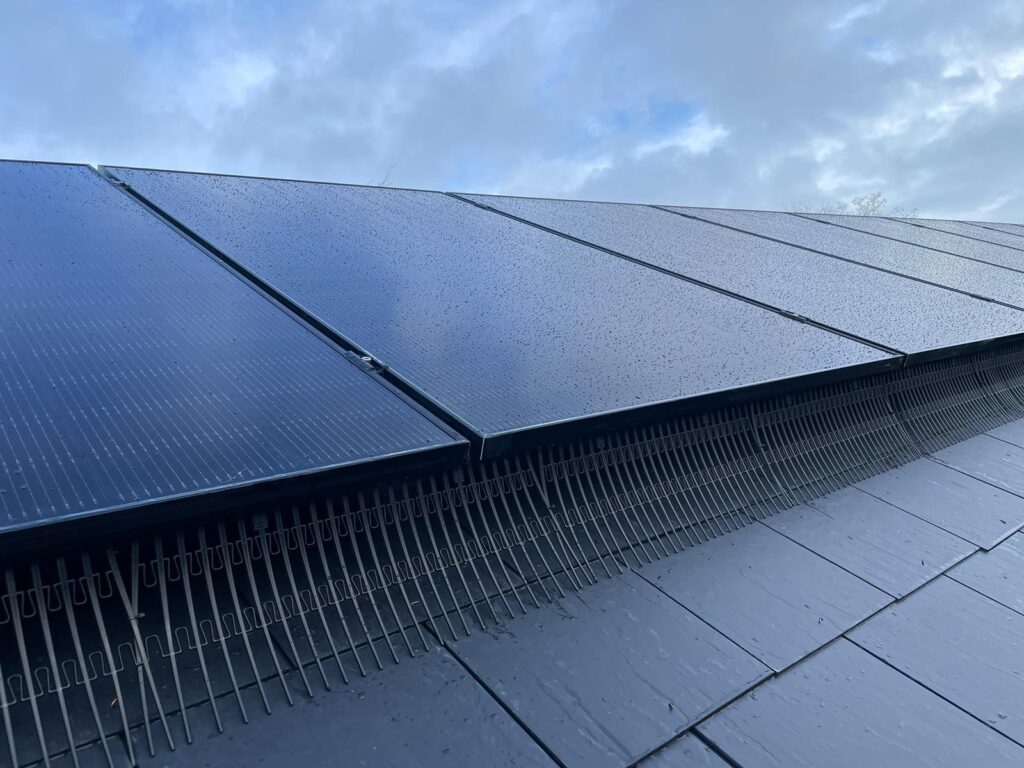
    We also installed a bird blocker

    A “solar PV bird blocker” refers to a device or system designed to prevent birds from nesting or perching on solar photovoltaic (PV) installations. Birds can sometimes pose issues for solar panels by leaving droppings that reduce efficiency, scratching or pecking at the panels,  nesting in the areas around the panels  and increases risk of fire. 

    Whilst there are several solutions and systems offered in the market to block birds from going under the solar panels, we believe placing a screen around the solar array is the more efficient solution.

    In this project we used a ‘BirdBlocker’ system, which offers 99% certainty that bird will not go under your array and made of 100% recyclable material. This system also come with 10 year warranty.  

    For more information on BirdBlocker: Click here


    The BirdBlocker we Installed

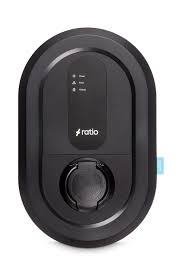
    Finally, we installed a Smart EV charger, unfortunately SolarEdge are yet to launch their EV charges in the UK, which would be the ideal EV charger to work with the Solar Edge. However, in this case we installed a Smart Ratio EV charger with additional CT to monitor the load and reduce the risk of the EV charger draining the Solar PV batteries. The Ratio EV charger is a very smart charger, in addition to the Dynamic Load Balancing functionality, it can charge your EV using 100% free energy generated from the home Solar PV system.

    For more Smart EV Charger details Click here

    Impressive SolarEdge Solar PV System and EV charger!

    EleKtra Smart Energy

    Case Study – EV charger install

    Case Study – EV charger install 560 747 Elektra Smart Energy

     EV charger install

    The Enquiry

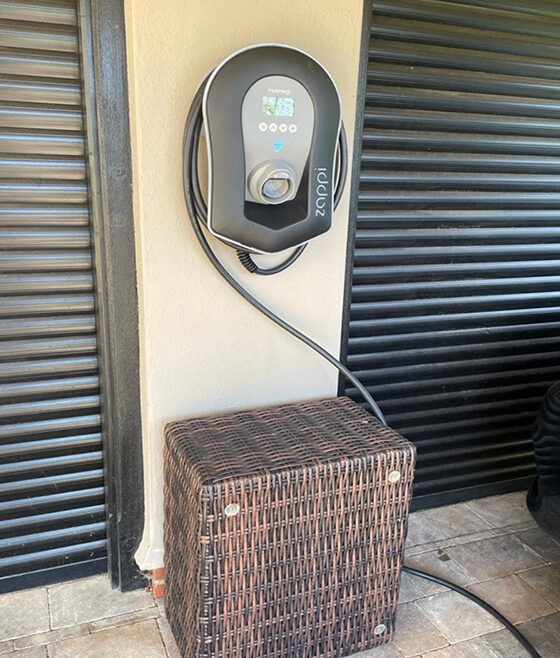
    A potential client enquired about an EV charger installation. They had already been in touch with several companies who were overpriced or didn’t  respond.   The installation was challenging and not what some companies would call a ‘standard installation’!🤔

    Firsty  we carried out a site survey & client meeting to identify their requirements and the details of the existing installation.

     The Options

    The client had 2 options in mind for the location of the EV charger . One being a fairly simple installation that would be cheaper but we thought it would be a compromise for the convenience of the client to use.   So after careful consideration & discussion we agreed the more difficult option was the best way forward for our client.  We also advised on the most appropriate charge unit based on the clients wants & future proofing.

     The Choice

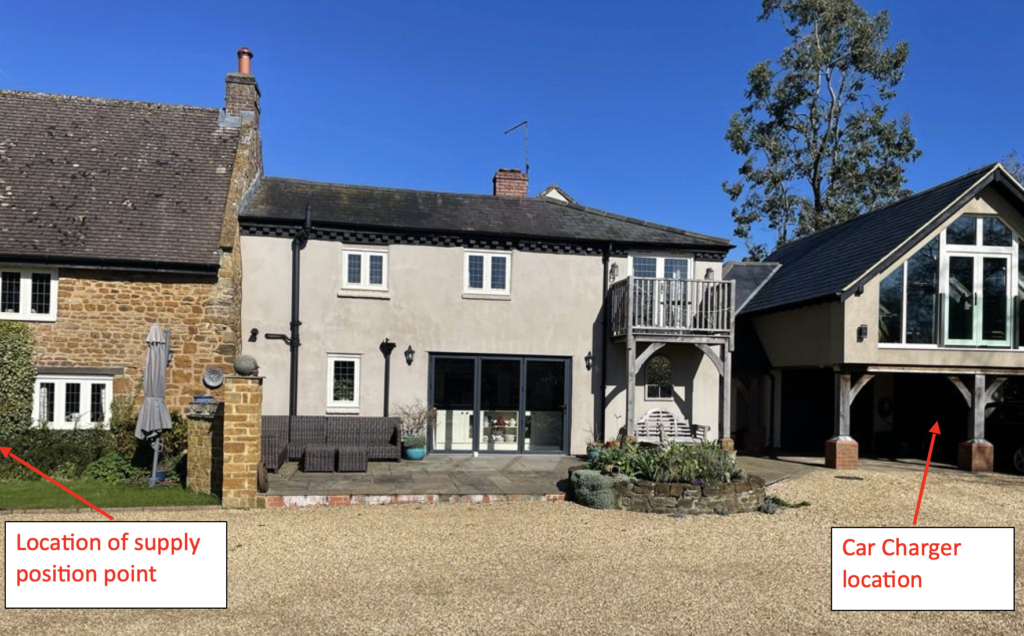
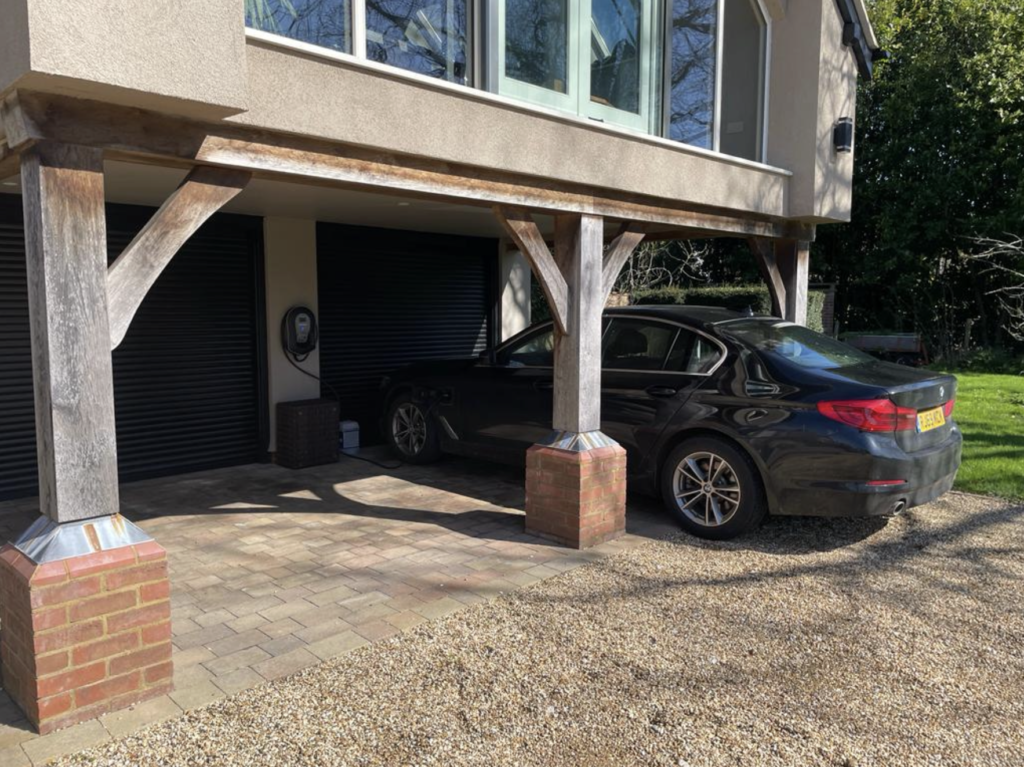
    The position chosen was almost as far away from the supply connection point as it could be 🙈. The cable also needed to be hidden as much as possible.  A trench was not possible due to underground services and the costs involved.

    We made the application to the electricity supplier (DNO) on behalf of the client.

    The main challenge

    The cable run between the supply & the charger position.

    The property is a traditional stone cottage that has had various additions and alterations over the years.  Therefore due to the aesthetics of the property an external surface installation could not be justified.

    The route proved challenging not only from a design perspective but also from a physical one. The engineers found themselves in a tight squeeze in various lofts spaces where the original building joined the new extension and came across all sorts of hidden services within the new extension!

    The Result

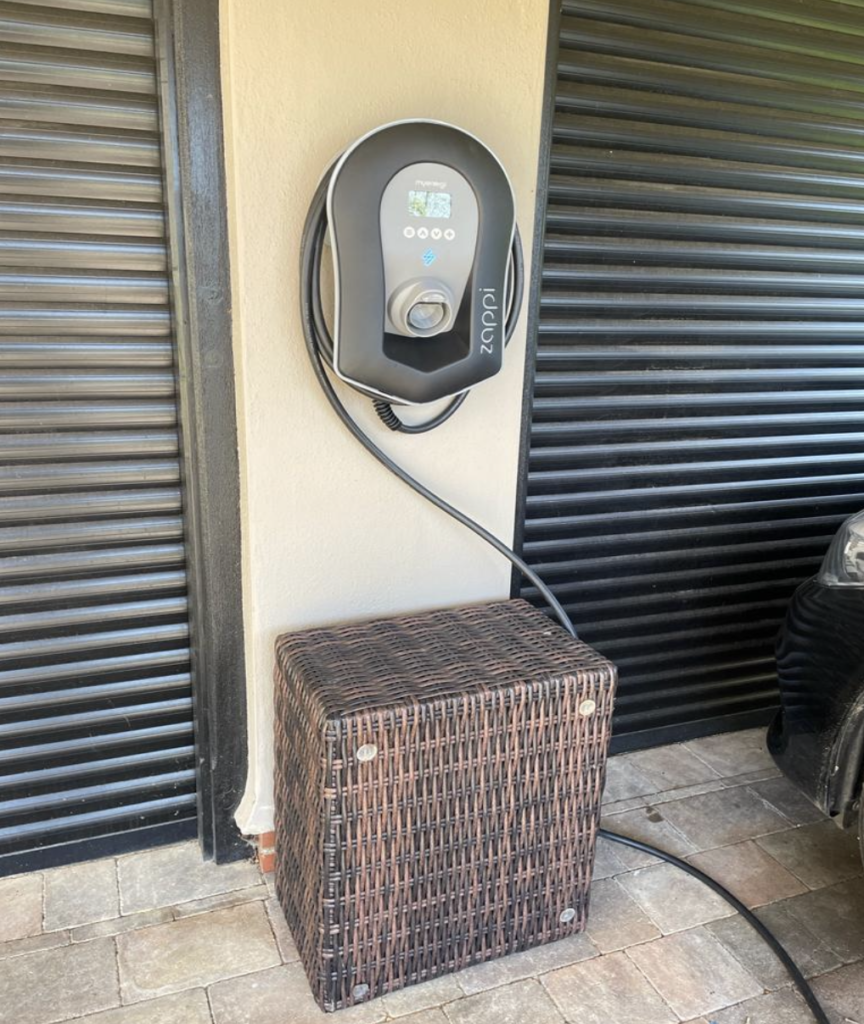
    Although the project was not straight forward, we managed to provide the client with the best solution for their needs & budget and at the same time kept the integrity of the property by providing a discreet installation as far as was practicable.

    A great job by the guys yet again👍

    For the client review of this Case Study, March 2023, please check the Checkatrade website: https://www.checkatrade.com/trades/elektraengineeringserviceslimited