
Introduction to Electric Vehicles (EVs)
The Rise of Electric Mobility
The automotive industry is undergoing a transformative shift towards electric mobility, driven by environmental concerns and advancements in technology. Electric vehicles (EVs) are becoming increasingly popular as consumers seek cleaner and more sustainable transportation options. This shift is fuelled by a global push to reduce greenhouse gas emissions, decrease dependence on fossil fuels, and create a more sustainable future.
Environmental Benefits of Electric Vehicles
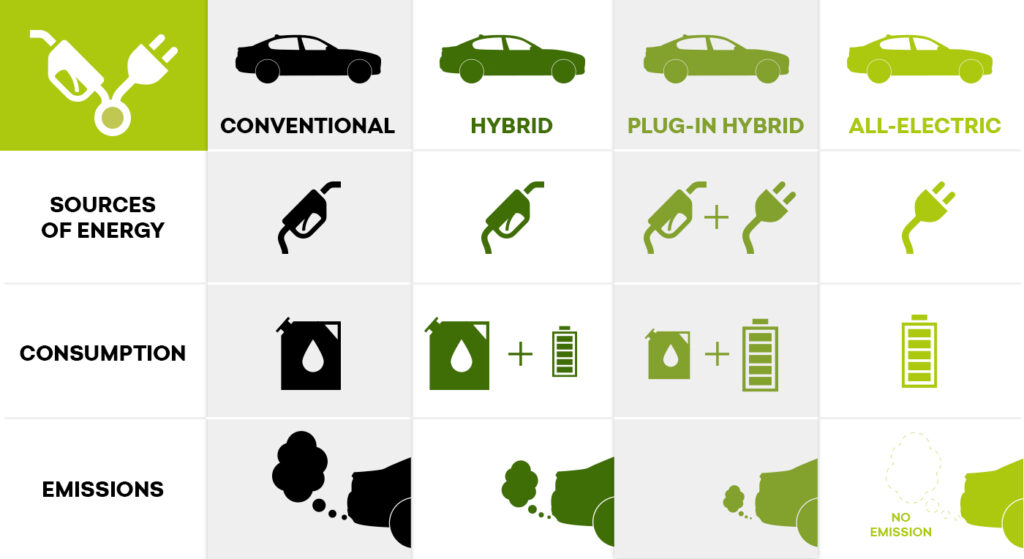
One of the most compelling reasons behind the rise of electric mobility is the significant environmental benefits that EVs offer. Unlike internal combustion engine vehicles, EVs produce zero tailpipe emissions, reducing air pollution and improving urban air quality. This reduction in emissions directly contributes to the fight against climate change and the preservation of our natural environment.
Electric vehicles also play a pivotal role in lowering noise pollution. Their quiet operation enhances the quality of life in urban areas, making them particularly well-suited for densely populated regions. Furthermore, the use of electricity as a fuel source for EVs enables a transition to renewable energy sources, such as solar and wind power, for charging. This further reduces the carbon footprint associated with vehicle operation, creating a positive feedback loop that reinforces sustainable transportation practices.
How Electric Vehicles Work
Understanding Electric Drivetrains and Components
Electric drivetrains are at the core of electric vehicles (EVs) and play a crucial role in their operation. Unlike internal combustion engines, EVs use electric motors for propulsion. These motors convert electrical energy from the battery into mechanical energy that drives the vehicle. Electric drivetrains consist of several key components:
Electric Motor: The heart of the drivetrain, the electric motor generates torque to turn the wheels. There are various motor types, including asynchronous (AC) and synchronous (DC) motors, each with its own efficiency and performance characteristics.
Inverter: The inverter converts direct current (DC) from the battery into alternating current (AC) to power the electric motor. It also controls the motor’s speed and torque.
Transmission: Some EVs use single-speed transmissions, while others have multi-speed options to optimise performance and efficiency. Electric motors inherently provide instant torque, eliminating the need for complex gear systems.
Differential: Just like in traditional vehicles, the differential transfers power to the wheels while allowing them to rotate at different speeds during turns.
Understanding these components is essential to grasp how electric drivetrains function and how they contribute to the unique driving experience of electric vehicles.

Battery Technology: Lithium-Ion, Solid-State, and Beyond
The heart of any electric vehicle is its battery, which stores and supplies the energy needed for propulsion. Lithium-ion batteries are the most common type used in EVs due to their high energy density, efficiency, and relatively mature technology. These batteries consist of anode and cathode materials separated by an electrolyte.
Solid-state battery technology is emerging as a potential game-changer. Solid-state batteries use a solid electrolyte instead of a liquid one, offering higher energy density, faster charging, and improved safety. While still in the research and development stage, solid-state batteries hold great promise for the future of EVs.
Researchers are also exploring beyond lithium-ion and solid-state technologies, investigating alternatives like lithium-sulphur and lithium-air batteries. These technologies have the potential to offer even higher energy densities, longer ranges, and faster charging times, further enhancing the capabilities of electric vehicles.
Advantages of Electric Vehicles
Zero Emissions and Reduced Air Pollution of Electric Vehicles
Electric vehicles (EVs) are instrumental in addressing one of the most pressing environmental challenges of our time: air pollution and carbon emissions. Unlike traditional internal combustion engine vehicles that emit tailpipe pollutants and greenhouse gases, EVs produce zero tailpipe emissions. This means that when you drive an electric vehicle, you are contributing directly to cleaner air and a healthier environment.
Air pollution, primarily caused by vehicle emissions, is linked to various health issues such as respiratory diseases, heart problems, and even premature death. By transitioning to electric vehicles, we can significantly reduce the harmful pollutants that degrade air quality and threaten public health. This is especially crucial in urban areas where vehicle emissions are a major contributor to smog and poor air quality.
Lower Operating Costs and Maintenance Requirements
Electric vehicles offer significant financial benefits to owners, primarily through lower operating costs and reduced maintenance requirements. EVs have fewer moving parts than internal combustion engine vehicles, resulting in less wear and tear. This translates to lower maintenance costs and fewer trips to the mechanic.
Moreover, the cost of electricity to power an EV is generally lower than the cost of gasoline or diesel fuel. Electric vehicles have higher energy efficiency, allowing you to travel farther on a single charge compared to a gallon of gasoline. As a result, EV owners can save substantially on fuel costs over the lifetime of the vehicle.
Additionally, governments in many regions offer incentives such as tax credits, rebates, and reduced registration fees for electric vehicles. These incentives further contribute to the financial appeal of owning an EV.
Enhanced Driving Experience and Performance
Electric vehicles provide a unique and enhanced driving experience. The instant torque delivery of electric motors results in quick acceleration and responsive handling. This instantaneous power delivery creates a smooth and exhilarating driving sensation that sets electric vehicles apart from their traditional counterparts.
Furthermore, electric vehicles operate quietly compared to internal combustion engine vehicles, reducing noise pollution and contributing to a more serene driving environment, especially in urban areas.
The absence of a traditional gasoline engine also allows for creative vehicle designs and packaging. Electric vehicles often have spacious interiors and well-utilised cabin space since they don’t require bulky engine components.
In terms of performance, many electric vehicles boast impressive acceleration and top speeds, challenging the notion that electric cars are lacking in power. High-performance electric models are gaining popularity and showcasing the incredible potential of electric drivetrains.
Types of Electric Vehicles
Battery Electric Vehicles (BEVs)
Battery Electric Vehicles (BEVs) are fully electric vehicles powered exclusively by an onboard battery pack. They produce zero tailpipe emissions, relying solely on electricity for propulsion. BEVs are charged from external sources, such as charging stations or home chargers, and offer a range that varies based on battery capacity. With advancements in battery technology, BEVs are becoming increasingly popular due to their environmental friendliness, energy efficiency, and lower operating costs. They are well-suited for daily commuting and urban driving, making them a key player in reducing carbon emissions and promoting sustainable transportation.
Plug-in Hybrid Electric Vehicles (PHEVs)
Plug-in Hybrid Electric Vehicles (PHEVs) combine an internal combustion engine with an electric motor and battery. PHEVs can be charged externally, allowing them to operate in electric-only mode for shorter distances before switching to the internal combustion engine. This dual powertrain setup provides flexibility for longer journeys, as the gasoline engine extends the overall range. PHEVs offer reduced emissions and improved fuel efficiency compared to traditional vehicles, making them a transitional option for those seeking to reduce their carbon footprint while maintaining the convenience of longer trips.
Hybrid Electric Vehicles (HEVs)
Hybrid Electric Vehicles (HEVs) utilise both an internal combustion engine and an electric motor to provide power. Unlike PHEVs, HEVs do not have an external charging capability and rely on regenerative braking and the internal combustion engine to charge their batteries. HEVs switch seamlessly between the gasoline engine and electric motor to optimise efficiency and reduce fuel consumption. While they offer lower emissions and better fuel efficiency than conventional vehicles, HEVs have limited electric-only driving capabilities. They are an ideal choice for those looking for improved fuel economy without relying solely on electric power.
Fuel Cell Electric Vehicles (FCEVs)
Fuel Cell Electric Vehicles (FCEVs) Fuel Cell Electric Vehicles (FCEVs) are a unique type of electric vehicle that use hydrogen fuel cells to generate electricity, which powers the vehicle’s electric motor. FCEVs emit only water vapour and heat as byproducts, making them completely emissions-free at the tailpipe. Hydrogen fuel is stored in onboard tanks and is converted to electricity through a chemical reaction with oxygen from the air. FCEVs offer fast refuelling times and extended ranges compared to battery electric vehicles. However, the availability of hydrogen refuelling infrastructure is currently limited, restricting their widespread adoption. FCEVs represent a promising technology with the potential to contribute significantly to a clean and sustainable transportation future.
Read our blog for a more detailed comparison of Battery Electric Vehicles vs Hydrogen Fuel Cell Electric Vehicles
Charging Your Electric Vehicle
Home Charging: Level 1 and Level 2 Charging
Home charging is a convenient and essential aspect of electric vehicle ownership. Level 1 charging utilises a standard household outlet (120V) and is the slowest option, providing around 2-5 miles of range per hour of charging. While suitable for overnight charging, it’s best for shorter daily commutes. Level 2 charging, on the other hand, operates on a 240V circuit and offers faster charging speeds, delivering approximately 10-20 miles of range per hour. Many homeowners install Level 2 charging stations at home, allowing for quicker and more efficient charging.
Public Charging Stations: Level 2 and DC Fast Charging
Public charging stations complement home charging by offering convenient options for those on the go. Level 2 public chargers, often found in parking garages, workplaces, and shopping centers, provide relatively fast charging rates, making them suitable for longer stops during the day. DC Fast Charging, also available at public stations, delivers high-voltage direct current (DC) and offers rapid charging, typically providing 60-80 miles of range in just 20-30 minutes. These stations are strategically located along highways and busy routes for quick top-ups during travel.
Planning Charging Stops for Longer Journeys
For longer journeys, planning charging stops is crucial to ensure a smooth and uninterrupted trip. Electric vehicle owners can use various online tools and mobile apps to locate charging stations along their route and estimate charging times. DC Fast Charging stations can help minimize longer stops, while Level 2 stations at rest areas or attractions allow for breaks while recharging.
Charging Networks and Mobile Apps
Charging networks and mobile apps play a vital role in locating, accessing, and monitoring charging stations. Networks like Tesla’s Supercharger and third-party providers offer memberships or pay-as-you-go options for easy access to their charging infrastructure. Mobile apps provide real-time information on station availability, pricing, and even reservations. They often include features like route planning, notifications, and remote monitoring of charging progress, empowering electric vehicle owners with the tools to efficiently manage their charging needs, whether at home or on the road.
Range and Battery Management
Understanding Electric Vehicle Range
Electric vehicle (EV) range is a fundamental concept that defines how far an EV can travel on a single charge. It’s a crucial consideration for potential EV owners as it determines the practicality of their daily commutes and longer journeys. The advertised range, typically provided by manufacturers, represents the distance the vehicle can travel under optimal conditions, including moderate speeds and temperate weather. However, real-world range varies due to several factors.
Factors Affecting Range: Driving Habits, Weather, and Terrain
Multiple factors influence an electric vehicle’s range beyond ideal conditions. Driving habits play a significant role. Aggressive acceleration, high speeds, and abrupt braking can drain the battery faster, reducing overall range. Weather conditions, particularly extreme cold or hot temperatures, impact the efficiency of the battery and energy-consuming systems like heating and air conditioning. Additionally, hilly terrain and frequent stops can also affect range by requiring more energy.
Battery Health and Longevity Tips
Maintaining battery health is essential for optimizing electric vehicle range and longevity. Charging practices significantly impact battery life. It’s advisable to avoid consistently charging the battery to 100%, as it can accelerate degradation over time. Instead, keeping the battery between 20% and 80% capacity helps preserve its health. Extreme temperatures, both hot and cold, can negatively affect battery performance and longevity. Parking in shaded areas or using a garage can mitigate temperature-related stress on the battery.
Regular software updates from the manufacturer can also improve battery efficiency and overall vehicle performance. Following manufacturer-recommended maintenance procedures, such as tire rotations and brake checks, ensures the vehicle operates at its best efficiency. Staying within the recommended weight limits and reducing unnecessary cargo also helps conserve energy and extend range.
Selecting the Right Electric Vehicle
Assessing Your Driving Needs and Lifestyle for Electric Vehicles
Transitioning to an electric vehicle (EV) involves evaluating your driving habits and lifestyle. Consider your daily commuting distance, the availability of charging infrastructure at home or work, and the types of journeys you frequently undertake. Assess whether an EV’s range aligns with your typical driving patterns. Additionally, evaluate your parking situation, as convenient charging access is crucial. By matching an EV’s capabilities with your routine and requirements, you can ensure a seamless and efficient transition to sustainable transportation.
Comparing Different Models and Features of Electric Vehicles
When selecting an electric vehicle, research and compare various models to find the one that suits your needs. Consider factors such as range, battery capacity, charging times, interior space, and technological features like infotainment systems and driver assistance tools. Evaluate the availability of public charging stations along routes you frequently travel. Test-driving different models allows you to experience their performance and comfort first-hand, aiding in an informed decision. By carefully assessing the options, you can choose an electric vehicle that aligns with your preferences and lifestyle.
Considering Incentives and Rebates
Incentives and rebates offered by governments and utility companies can significantly reduce the upfront cost of an electric vehicle. Research the available incentives in your region, which may include tax credits, rebates, reduced registration fees, and access to carpool lanes. These incentives contribute to the financial feasibility of electric vehicle ownership. Additionally, some manufacturers offer special promotions or financing options for electric vehicles. By taking advantage of these incentives, you not only contribute to a greener future but also enjoy cost savings that make electric vehicle adoption even more attractive.
Economics of Electric Vehicles
Total Cost of Electric Vehicle Ownership Comparison with Internal Combustion Engine Vehicles
When evaluating electric vehicle (EV) ownership in the UK, considering the total cost is essential. While EVs may have a higher initial price than internal combustion engine (ICE) vehicles, they offer long-term savings. Lower running costs, reduced maintenance, and potential tax benefits contribute to a competitive cost of ownership. Comparing these factors against ICE vehicles helps assess the economic viability of EVs over time.
Calculating Savings on Fuel and Maintenance
Electric vehicles in the UK typically have lower fueling costs compared to traditional gasoline or diesel vehicles. Charging an EV with electricity is often cheaper per mile than refueling with fossil fuels. Additionally, EVs have fewer moving parts, resulting in reduced maintenance requirements. The UK’s growing charging infrastructure further enhances convenience and accessibility, making EV ownership financially appealing.
Financial Incentives, Tax Credits, and Rebates
The UK government encourages electric vehicle adoption through financial incentives, tax credits, and rebates. The Plug-in Car Grant provides a subsidy towards the purchase price of eligible EVs, reducing upfront costs. Drivers also benefit from reduced Vehicle Excise Duty (road tax) and exemption from the London Congestion Charge. Workplace charging schemes and grants for home charging installations further contribute to lowering costs for potential EV owners. By capitalising on these incentives, UK residents can enjoy the economic advantages of electric vehicle ownership while contributing to a cleaner environment.
Read our blog to further understand the renewable energy grants available to you.
Challenges and Myths about Electric Vehicles
Addressing Range Anxiety and Charging Concerns
Range anxiety, the fear of running out of battery power, is a common concern for potential electric vehicle (EV) owners. However, advancements in battery technology and the expanding charging infrastructure are alleviating this anxiety. Increased EV range and the availability of fast-charging stations reduce the likelihood of encountering range-related issues. Additionally, planning routes and utilizing mobile apps to locate charging stations can help ease worries about long journeys.
Debunking Common Misconceptions
Several misconceptions surround electric vehicles that can deter potential buyers. Concerns about limited range, lack of charging infrastructure, and high upfront costs are often overstated. In reality, many modern EVs offer competitive ranges suitable for daily commutes, charging infrastructure is rapidly growing, and incentives reduce purchase prices. Furthermore, misconceptions about EV performance, including doubts about acceleration and power, are debunked by the impressive capabilities of electric drivetrains.
Overcoming Infrastructure Limitations
While charging infrastructure is expanding, some regions may still face limitations. Overcoming these challenges involves strategic planning and advocacy for increased charging availability. Local governments and private entities can collaborate to develop a robust network of charging stations, ensuring EV owners have convenient access to charging. Public-private partnerships and investments in fast-charging technology can accelerate the transition to electric mobility and contribute to a more sustainable transportation ecosystem.
Infrastructure Development and Policy Support
Expanding Charging Networks: Challenges and Progress
Expanding charging networks for electric vehicles (EVs) is a critical step towards widespread adoption. While progress has been made, challenges persist. Balancing the demand for charging infrastructure with the pace of EV adoption is essential. The installation of charging stations requires coordination among governments, private companies, and utilities. Overcoming infrastructure limitations, such as ensuring availability in rural areas and multi-unit dwellings, is crucial.
Collaborative efforts are driving progress. Governments are incentivizing charging station installations and regulations are being streamlined to expedite the process. Private companies are investing in charging infrastructure, and innovative solutions like curbside charging and battery-swapping stations are being explored. With continued advancements in fast charging technology, the convenience of charging will further improve, addressing concerns about range anxiety and supporting EV growth.
Government Initiatives and Support for Electric Mobility
Governments worldwide are playing a pivotal role in accelerating electric mobility. Through incentives like tax credits, rebates, and grants, they encourage EV adoption and charging infrastructure development. Some governments set ambitious targets to ban internal combustion engine vehicles, further driving the shift towards electric mobility. Investments in public charging networks and research contribute to creating an EV-friendly ecosystem.
The Role of Corporations in Accelerating EV Adoption
Corporations are influential catalysts in the EV transition. Many companies are electrifying their fleets, showcasing the practicality of EVs and demonstrating commitment to sustainability. Corporate investment in charging infrastructure, both at workplaces and public locations, enhances convenience for employees and customers. Additionally, collaboration with automakers and charging network providers can create synergies for EV growth. By incorporating electric vehicles into their operations and advocating for supportive policies, corporations contribute significantly to the accelerated adoption of EVs, fostering a cleaner and more sustainable transportation landscape.
Future Trends and Innovations
Advances in Battery Technology and Energy Density
The evolution of electric vehicle (EV) battery technology is driving significant improvements in energy density, a key factor in enhancing range and overall performance. Advancements in battery chemistry, such as the adoption of lithium-ion and solid-state batteries, have led to higher energy storage capacities. These breakthroughs allow EVs to travel longer distances on a single charge, alleviating range anxiety and increasing their appeal to a broader audience. As battery technology continues to improve, EVs are becoming more practical and viable alternatives to internal combustion engine vehicles, accelerating the transition to sustainable transportation.
Autonomous Electric Vehicles
The convergence of electric and autonomous vehicle technologies holds transformative potential for the automotive industry. Autonomous electric vehicles (AEVs) combine the benefits of emission-free driving with self-driving capabilities. AEVs have the potential to reshape urban mobility, reduce traffic congestion, and enhance road safety. The integration of AI, sensors, and connectivity enables AEVs to navigate and make decisions independently, revolutionizing personal transportation and mobility services.
Integration with Renewable Energy Sources
The integration of electric vehicles (EVs) with renewable energy sources forms a symbiotic relationship that enhances sustainability. EVs can serve as energy storage solutions, using their batteries to store excess renewable energy and feed it back into the grid when needed. This vehicle-to-grid (V2G) concept supports grid stability and promotes the use of clean energy. Moreover, EV charging can be synchronised with renewable energy generation, optimising consumption and reducing carbon emissions. The harmonious interaction between EVs and renewables advances the vision of a cleaner and more efficient transportation system powered by sustainable energy sources.

Maintenance and Servicing of Electric Vehicles
Simplified Maintenance Requirements for EVs
Electric vehicles (EVs) offer simplified maintenance requirements compared to traditional internal combustion engine vehicles. With fewer moving parts, EVs have reduced wear and tear, resulting in less frequent servicing. There’s no need for oil changes, transmission maintenance, or exhaust system repairs. Regenerative braking systems also contribute to brake longevity. While EVs still require routine checks on tires, brakes, and suspension, the absence of many mechanical components streamlines maintenance and lowers costs over time.
Regular Inspections and Battery Care
Regular inspections remain essential to ensure an electric vehicle’s optimal performance and safety. Periodic checks on tire pressure, brake systems, and fluid levels help maintain efficiency. Battery care is crucial too; keeping the battery within recommended temperature ranges and avoiding prolonged exposure to extreme conditions can extend its lifespan. Following manufacturer guidelines for charging habits and battery maintenance ensures continued reliability.
Finding Qualified EV Service Centres
When seeking maintenance or repairs for your electric vehicle, it’s crucial to find qualified service centres. Look for certified technicians with expertise in EV systems, as they are equipped to diagnose and address specific issues. Dealerships or independent service centres with EV training and equipment ensure proper care. Online resources, manufacturer directories, and community forums can help identify reputable service providers. Choosing a qualified EV service centre guarantees that your vehicle receives the necessary attention from professionals who understand the unique requirements of electric vehicle technology.
Driving Green: Tips for Electric Vehicle Owners
Maximising Efficiency through Driving Techniques
Efficient driving techniques play a crucial role in maximising the range and overall efficiency of electric vehicles (EVs). Smooth and gradual acceleration, along with gentle braking, helps optimise energy regeneration. Anticipating traffic flow and using regenerative braking effectively can extend battery life. Maintaining a consistent speed and avoiding rapid accelerations and decelerations conserve energy. Utilising eco-driving modes, available in many EVs, adjusts power delivery for improved efficiency. Planning routes to avoid steep inclines whenever possible and utilising cruise control on highways also contribute to efficient EV operation. By adopting these techniques, EV drivers can maximise range and minimise energy consumption, enhancing their driving experience and environmental impact.
Charging Etiquette and Strategies
Charging etiquette and strategies are essential for effective and courteous use of public charging infrastructure. Prioritize the use of fast-charging stations for drivers with low battery levels to reduce wait times. Avoid parking at charging stations after your EV is fully charged to allow others access. Plan charging sessions to minimize idle time after reaching a full charge. Utilize mobile apps to check station availability and to get real-time updates on charging progress. By adhering to charging etiquette and employing strategic charging practices, EV owners contribute to a smoother charging experience for all and support the growing EV community.
Integrating EVs into a Sustainable Lifestyle
Integrating electric vehicles (EVs) into a sustainable lifestyle involves conscious choices beyond driving habits. Charging EVs with renewable energy sources, such as solar panels, reduces the carbon footprint of charging. Time your charging sessions to take advantage of periods with higher renewable energy generation. Combining EV ownership with energy-efficient home practices, like LED lighting and smart thermostats, further reduces environmental impact. Participating in ridesharing and carpooling initiatives using your EV promotes sustainable transportation. Additionally, adopting a multi-modal approach by combining EVs with public transportation, cycling, or walking for shorter trips enhances overall sustainability. By aligning EV ownership with eco-friendly habits, individuals can contribute significantly to reducing emissions and building a more sustainable future.
Case Studies and Real-Life Examples
Have a read of our customer testimonials for stories of homeowners successfully installing electric vehicles chargers, including lessons learned, tips, and insights.
Sophie Ben-Tovim
16/08/2023


