
Solar PV and EV Charger Integration
By Choosing a Solar PV (photovoltaic) and EV (electric vehicle) Charger and inverter from the same manufacturer (Integration) brings several advantages, streamlining the entire process from installation to ongoing maintenance.
This Image shows Solar PV and EV Charger Integration
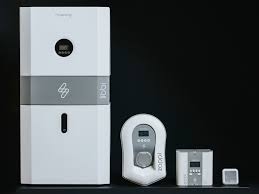
Advantages
The foremost benefit is seamless integration. When products come from the same manufacturer, they are designed with compatibility in mind. This ensures that the EV charger and PV inverter work together seamlessly, minimising the risk of compatibility issues during installation. The result is a more straightforward setup process and a system that operates harmoniously.
A shared manufacturer also facilitates optimised communication between the EV charger and PV inverter. This communication enables advanced features such as load management, allowing the system to intelligently allocate solar energy for EV charging. This optimisation enhances the overall performance of the integrated system, making it more efficient and responsive to varying energy needs
Installation and maintenance are further simplified with products from the same manufacturer. Uniform design standards and installation procedures contribute to a smoother process, reducing the potential for errors during setup. In terms of maintenance, having consistent components can simplify troubleshooting and repairs, making it easier for users to address any issues that may arise
The advantage of a Single point of contact for support is significant. Dealing with a single manufacturer for both the EV charger and PV inverter means having a unified support channel. This simplifies the support process, providing users with a direct and cohesive source for customer assistance and technical support.
Load management and integrated solutions often come with advanced load management features. This means the system can prioritise energy usage, directing solar power efficiently to the EV charger while considering the state of the PV battery. This prevents unnecessary drainage during times of low solar generation.
Unified systems allow for real-time monitoring of energy production and consumption. This monitoring capability helps the system adapt to changing conditions, preventing excessive PV battery discharge during unexpected events. When an electric vehicle (EV) charger and a solar photovoltaic (PV) inverter come from the same manufacturer, it reduces the risk of PV battery draining due to seamless integration and optimised communication. This ensures that the solar power generated is efficiently utilised without compromising the stored energy in the PV battery
Click on the Link to view a case study on an EV Charger Click here

Inverter – This Image shows an Inverter
Warranty & Compatibility
Warranty and compatibility assurance are additional benefits. When using products from the same manufacturer, users can have confidence in the compatibility of components, and warranties or guarantees may be more comprehensive. This assurance offers peace of mind, knowing that the integrated system is backed by the manufacturer’s commitment to quality.
There is also the potential for enhanced features. Integrated systems from the same manufacturer may offer advanced functionalities, such as improved monitoring capabilities, real-time data sharing, or software updates that continually enhance system performance. This ensures that the integrated solution remains up-to-date with the latest advancements
From a broader perspective, utilising products from the same manufacturer supports system efficiency and performance. The compatibility between the EV charger and PV inverter optimises energy flow and usage, maximising the utilisation of solar energy for EV charging. This not only reduces dependence on grid power but also contributes to a more sustainable and cost-effective energy solution.
Lastly, the synergy between the EV charger and PV inverter allows for better synchronisation with home energy management systems. This synchronisation enables users to make informed decisions about when to charge their EVs based on solar generation patterns and household energy needs, enhancing overall energy management.
In summary, when the EV charger and PV inverter are from the same manufacturer, they are designed to work seamlessly together. This ensures efficient communication, load management, and real-time monitoring, reducing the risk of unintended PV battery draining and providing a more reliable and optimised solar-powered EV charging system.
This Image is a diagram of how Solar EV chargers work with solar charging


