
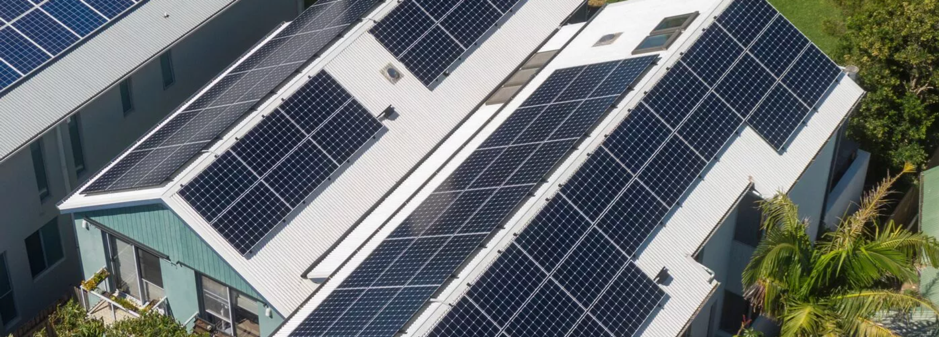
Solar panels are gaining popularity as homeowners seek out more ways to lower their energy expenses and environmental effect.
Here are a few factors to consider:
Age:
One thing to keep in mind is how old your roof is. Replacing your roof before installing solar panels if it is getting close to the end of its useful life. By doing this, you can make sure that your roof can support the solar panel system and avert future problems. Specific age limit depends on various factors, roofing material, climate, how well the roof has been maintained over the years. While there is no strict age limit for installing solar panels, it’s generally recommended that your roof should have at least 10-15 years of life remaining to make the investment worthwhile, since solar panel systems typically have a lifespan of 25-30 years and it can be costly and disruptive to remove and reinstall the system if you need to replace your roof during that time.
Condition:
Look for any indications of damage on your roof, such as broken or missing shingles, leaks, or other structural problems. It’s critical to take care of any damaged roof components before adding solar panels. Using binoculars if needed, begin by visually inspecting your roof from the ground. Keep an eye out for any overt indications of damage, such as missing or damaged shingles, buckling or curling shingles, granules in the gutters, or other visible issues. You can also go into your attic and inspect the underside of the roof for any signs of water damage, such as staining, mould, or rot. Also, look for any signs of light coming through the roof, which could indicate a hole or other damage.
Material:
Asphalt shingles, metal roofs, and flat roofs are generally good candidates for solar panel installations. However, slate, clay, and wood shake roofs may be more challenging and require additional considerations. Work with a professional solar installer who has the knowledge and expertise.
Warranty:
Before installing solar panels, check the warranty on your roof. Review the terms and conditions of your warranty and discuss any concerns with your solar installer. If your roof warranty does now allow for solar panel installations, there are a few options you can consider.
- Reach out to the roofing manufacturer to see if they can provide any guidance or exceptions. They may be able to work with you to find a solution that allows for solar panel installations without voiding your warranty.
- Some solar panel mounting systems do not require drilling into the roof, which can help avoid voiding your roof warranty. Ballasted or non-penetrating mounting systems use weights or other methods to secure the solar panels to the roof without penetrating the roofing material. Consult with a solar installer to see if this is a viable option for your situation.
Orientation:
The pitch and orientation of your roof can also impact its suitability for solar panels. South-facing roofs with a pitch between 15 and 40 degrees are typically ideal for solar panel installations. However, solar panels can still be effective on roofs with different orientations and pitches, so it’s important to consult with a solar installer to determine the best solution for your specific situation.
Shading:
Trees, chimneys, and other structures can cast shadows on your roof, reducing the effectiveness of your solar panels. It’s important to assess the amount of shading on your roof and consider trimming or removing any obstacles that may block the sun. There are several online tools and apps available that can help you assess the shading on your roof. These tools use satellite imagery and other data to provide a rough estimate of the shading on your roof. It may also be helpful to consult a professional solar installer who can conduct a thorough shading analysis of your roof using specialised equipment and software. They can provide you with a detailed report on the shading on your roof and recommend the best placement for your solar panels.
Local regulations and incentives:
Some areas have regulations or incentives that can impact the feasibility and cost of installing solar panels. Check with your local government and utility company to see if there are any restrictions or incentives in your area. For more information, read our blog post about the grants and funding currently available in the UK.
If installing solar panels on your roof is not feasible, you may want to explore other solar options, such as ground-mounted solar panels or solar carports. A professional solar installer can assess your specific situation and provide recommendations on the best course of action. They can help you explore your options and determine the most cost-effective and feasible solution for your situation.
To understand solar energy further, read our comprehensive guide to solar energy solutions.
Sophie Ben-Tovim
09/11/2023


