
Introduction to Renewable Energy Solutions for Homes
Reducing Your Carbon Footprint With Renewable Energy
Renewable energy in homes, such as solar panels, significantly reduces carbon footprint by replacing fossil fuel-based electricity sources. Unlike fossil fuels, which emit greenhouse gases when burned, renewables produce clean energy without harmful emissions. Solar energy harnesses power from the sun using photovoltaic cells, while wind energy captures kinetic energy from moving air. These technologies generate electricity without burning fossil fuels, thus eliminating direct carbon dioxide emissions.
By utilising renewable sources, homeowners decrease reliance on fossil-fuelled grid electricity, cutting down overall carbon emissions associated with power consumption. The carbon savings are twofold: firstly, renewable energy systems produce minimal to no emissions during operation, and secondly, they decrease demand for fossil fuels, indirectly curbing emissions from extraction, transportation, and combustion.
This transition to renewable energy in homes not only mitigates climate change by reducing greenhouse gas emissions but also serves as a sustainable example for communities, accelerating the global shift towards a cleaner, greener energy future.
Contributing to Local and Global Environmental Goals
Using renewable energy in homes contributes to both local and global goals in several impactful ways. Locally, it enhances community sustainability and resilience. By generating clean energy on-site, homes become less reliant on distant, centralized power sources, bolstering energy security and reducing strain on local grids during peak demand. This decentralization fosters a more stable and efficient local energy supply.
Economically, renewable energy installations create local jobs in manufacturing, installation, and maintenance, stimulating the local economy. Additionally, reduced energy costs free up household funds for spending elsewhere, further boosting the community.
On a global scale, widespread adoption of residential renewables combats climate change. By decreasing reliance on fossil fuels, homes contribute to global emissions reduction targets, helping mitigate the adverse effects of global warming. This aligns with international climate agreements like the Paris Agreement.
Moreover, homeowners’ adoption of renewables serves as a visible example, inspiring others to transition to cleaner energy sources. As the renewable energy market grows, economies of scale lead to technological advancements and cost reductions, making clean energy more accessible worldwide.
In essence, integrating renewable energy into homes aligns with local aspirations for energy autonomy, economic growth, and sustainability, while simultaneously contributing to overarching global goals of carbon reduction, climate stability, and sustainable development.
Solar Power Systems
Understanding Residential Solar Panel Systems
Understanding residential solar panel systems involves grasping the fundamental components and principles. Solar panels, typically installed on rooftops, capture sunlight and transform it into electricity using photovoltaic cells. An inverter converts this generated direct current (DC) into alternating current (AC), enabling you to power your home and appliances. Net metering allows excess energy produced during sunny periods to be fed back into the grid, potentially earning you credits or payments.
Careful consideration of system size, orientation, and tilt is essential to match energy needs and maximise efficiency. Shading should be minimised, as it can significantly reduce energy output. Professional installation, routine cleaning, and occasional maintenance ensure optimal performance. While installation costs vary, residential solar panels can lead to long-term savings on energy bills, enhance property value, and contribute to environmental sustainability. Exploring available incentives, tax credits, and financing options can help make your solar investment financially viable. Overall, understanding these key aspects empowers homeowners to make informed decisions about adopting residential solar energy.

Types of Solar Panels: Monocrystalline, Polycrystalline, Thin-Film
Solar panels come in various types, each with distinct characteristics and efficiency levels. Monocrystalline, polycrystalline, and thin-film are the primary categories.
Monocrystalline Solar Panels: These panels are known for their efficiency and sleek appearance. They are made from a single crystal structure, allowing electrons to flow more freely, thus converting sunlight into electricity efficiently. Monocrystalline panels are space-efficient, making them a popular choice for residential rooftops with limited space. While they tend to be more expensive, their higher efficiency can lead to better long-term returns on investment.
Polycrystalline Solar Panels: Made from multiple silicon crystals, polycrystalline panels are cost-effective and have a recognizable blue tint. They are slightly less efficient than monocrystalline panels but are a good option for larger installations where space is not a constraint. Polycrystalline panels are also durable and offer reliable performance over time.
Thin-Film Solar Panels: These panels use a different manufacturing process, depositing thin layers of photovoltaic material onto a substrate like glass or metal. Thin-film panels are flexible and lightweight, allowing for unique installation options. However, they typically have lower efficiency compared to crystalline panels, requiring more space. Thin-film panels are suitable for larger installations and applications where aesthetics and flexibility are prioritized over maximum efficiency.
Choosing the right type of solar panel depends on factors like budget, available space, efficiency goals, and aesthetic preferences. Monocrystalline panels are ideal for high efficiency in limited space, polycrystalline panels offer cost-effectiveness, and thin-film panels are versatile and can be tailored to specific needs. Here at EleKtra we install monocrystalline panels, which utilise the most modern technology available to maximise efficiency.
Assessing Your Home’s Solar Potential
Assessing your home’s solar potential is a crucial step before embarking on a solar panel installation. Several factors influence the feasibility and efficiency of a solar energy system.
Sunlight Availability: Evaluate the amount of direct sunlight your property receives throughout the day. Unobstructed south-facing rooftops typically yield the highest energy production, but east and west orientations can also be effective.
Roof Angle and Area: The pitch and size of your roof affect solar panel placement and efficiency. An optimal tilt angle allows panels to capture sunlight more effectively, maximizing energy generation.
Shading: Identify potential sources of shading, such as trees, buildings, or chimneys, that could obstruct sunlight and decrease panel efficiency. Minimizing shading is crucial for optimal energy production.
Location: Your geographical location affects solar potential. Areas with more sunlight tend to generate more energy. Online tools and solar maps can help estimate the average solar radiation in your region.
Energy Consumption: Analyse your household’s energy needs to determine the appropriate system size. Consider factors like historical energy bills, energy-efficient appliances, and potential future energy demands.
Regulations and Permits: Research local regulations, building codes, and permit requirements for solar installations in your area. Some regions offer incentives or rebates for solar adoption.
Budget and Financing: Assess your budget and explore financing options, including loans, leases, and incentives, to determine the financial feasibility of the project.
By thoroughly evaluating these factors, you can determine your home’s solar potential and make informed decisions about the type, size, and placement of your solar panel system. Read our detailed blog on assessing your homes solar potential for further information. Consulting with solar professionals and utilising online solar assessment tools can provide valuable insights to ensure a successful and efficient solar energy integration for your home.
Steps to Install Solar Panels on Your Roof
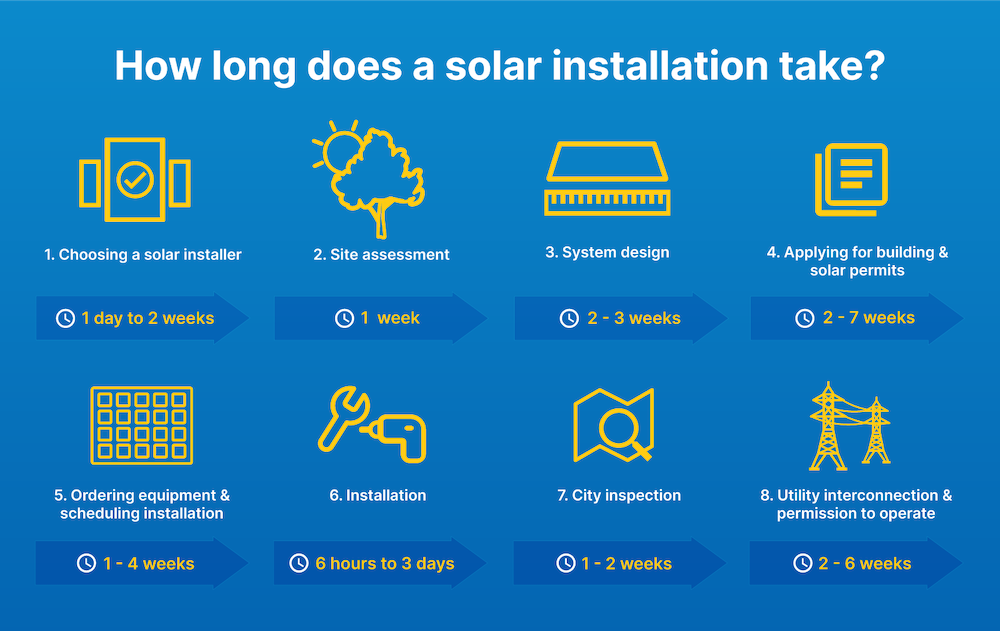
Installing solar panels in your home involves several key steps.
Assessment: Evaluate your home’s solar potential by considering factors like sunlight exposure, roof angle, shading, and energy consumption.
Design: Work with a solar provider to design a system that fits your energy needs and roof space. Determine the number of panels, their placement, and the inverter location.
Permits and Approvals: Obtain necessary permits and approvals from local authorities, following regulations and building codes.
Installation: Professional installers mount the panels on your roof, connect them to the inverter, and wire the system to your electrical panel.
Inspection: Local inspectors review the installation to ensure compliance with safety and code requirements.
Interconnection: Your solar system is connected to the grid, allowing for net metering and the possibility of selling excess energy back to your utility.
Monitoring: Set up a monitoring system to track your solar system’s performance and energy production.
Enjoying Solar Energy: Once installed, your solar panels start generating clean, renewable energy, reducing your reliance on traditional power sources and potentially lowering your energy bills.
Solar Inverters and Net Metering
A solar inverter is a device that converts the direct current (DC) electricity generated by solar panels into alternating current (AC), which is the type of electricity used in homes and businesses. It ensures that the solar energy produced can be used to power appliances, lighting, and other electrical devices in your home.
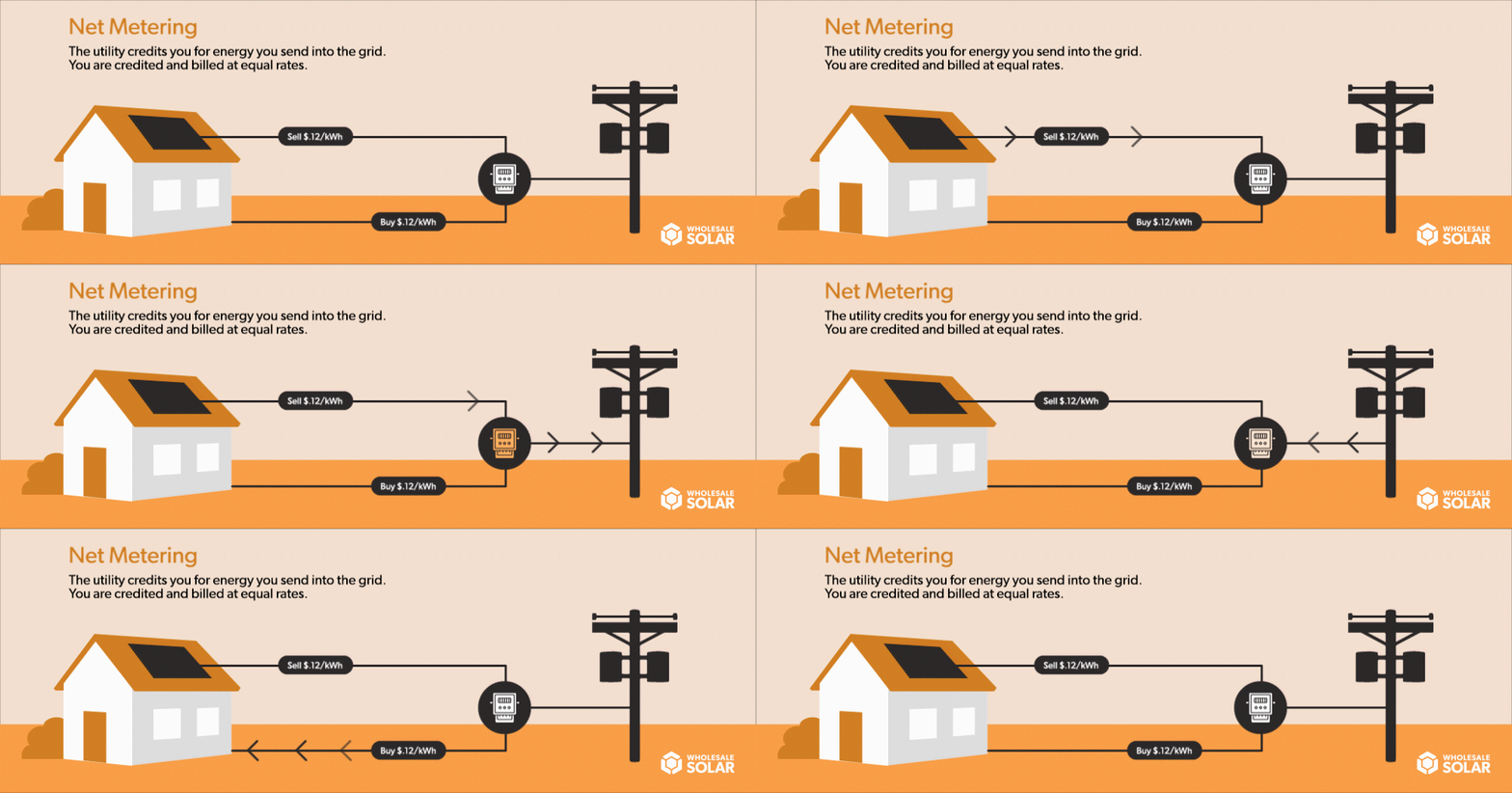
Net metering is a billing arrangement that allows solar panel owners to receive credit for excess electricity they generate and feed back into the grid. When your solar system produces more energy than your home consumes, the surplus electricity is sent to the grid, and your meter runs backward, effectively earning you credits. During times when your solar system isn’t producing enough energy, such as at night, you draw power from the grid. At the end of the billing cycle, the credits you’ve earned offset the electricity you’ve consumed, potentially resulting in lower overall energy costs.
Monitoring and Maintaining Your Solar System
Monitoring and maintaining your solar system are essential to ensure its long-term effectiveness and efficiency. Regular monitoring allows you to track energy production and quickly identify any issues that might arise. Many modern solar systems come with online monitoring tools or smartphone apps that provide real-time data on your system’s performance, enabling you to detect and address any drops in energy production promptly.
To maintain optimal performance, it’s important to keep your solar panels clean and free from debris. Regularly cleaning them, especially in dusty or pollen-heavy environments, ensures that sunlight can be efficiently captured and converted into electricity.
Inspect your solar system for shading problems as well. Trees, buildings, or other structures may cast shadows on your panels, reducing their output. Trimming trees or adjusting panel placement can mitigate this issue.
While solar systems are generally low maintenance, it’s recommended to schedule periodic professional maintenance to check connections, inverters, and electrical components. This proactive approach helps identify and address potential problems before they escalate, ensuring your system’s reliability and longevity.
Additionally, being mindful of extreme weather conditions, such as heavy snow or hail, and performing occasional visual checks can help safeguard your system. By actively monitoring and maintaining your solar panels, you can maximise their efficiency, extend their lifespan, and continue to enjoy the benefits of clean, renewable energy while minimising the need for costly repairs.
Energy Storage Solutions
The Role of Batteries in Storing Renewable Energy
Solar batteries play a crucial role in storing renewable energy for residential use. They allow homeowners to capture surplus energy generated by their solar panels during peak sunlight hours and store it for later use, typically during the evening or when solar production is low.
These batteries work by converting excess energy into chemical energy, which is stored within the battery cells. When energy demand exceeds solar production, the stored energy is then converted back into usable electricity for powering the home. This helps households become more self-sufficient, reducing reliance on the grid during non-sunny periods and enabling greater energy independence.
Solar batteries also offer resilience in case of power outages, providing backup power to critical appliances or the entire home. By storing and efficiently utilising solar energy, these batteries contribute to lowering electricity bills, reducing the carbon footprint, and promoting a more sustainable and reliable energy future for homeowners.
Read our blog to discover further; is solar battery storage worth it for you?
Types of Residential Energy Storage Systems
There are two primary types of solar battery systems for homes: lead-acid batteries and lithium-ion batteries.
Lead-Acid Batteries: These are the older, traditional type of battery technology. They come in two variations: flooded lead-acid and sealed lead-acid (AGM or gel). While they are cost-effective, lead-acid batteries tend to have shorter lifespans, lower energy density, and require more maintenance. They are suitable for less frequent use or off-grid systems.
Lithium-Ion Batteries: This is the newer and more popular option due to their higher energy density, longer lifespan, and lower maintenance requirements. Lithium-ion batteries are lighter, more compact, and offer a deeper depth of discharge without affecting their performance. They are well-suited for daily cycling and are often used for both on-grid and off-grid systems.
Choosing the right battery system depends on factors like budget, intended use (daily cycling or backup power), available space, and desired lifespan. Since lithium-ion batteries are increasingly favored for their superior performance and longevity, we install these batteries here at EleKtra.
Maximising Self-Consumption and Backup Power
Maximizing self-consumption and backup power are essential strategies for optimizing solar energy use at home. Self-consumption involves utilizing the energy your solar panels generate directly within your household, reducing reliance on grid electricity. To achieve this, align energy-intensive tasks like running appliances, charging electric vehicles, or heating water with peak solar production times.
Integrating a solar battery system enhances self-consumption by storing excess energy for later use, especially during non-sunny hours. During periods of low solar generation or power outages, the stored energy in batteries provides reliable backup power, ensuring uninterrupted electricity supply for critical appliances or the entire home.
Smart energy management systems, such as load controllers and time-of-use settings, can further optimise self-consumption and backup power utilisation. By strategically timing energy-intensive activities and efficiently storing solar energy, homeowners can minimise reliance on the grid, maximise their renewable energy utilisation, reduce costs, and enhance overall energy resiliency.
Maintenance and Efficiency Tips for Battery Systems
To ensure optimal performance and longevity of solar batteries, regular maintenance is key. Keep the battery area clean and free from dust or debris to prevent overheating. Check for proper ventilation to maintain safe operating temperatures. Regularly inspect and tighten connections to prevent corrosion. Avoid deep discharges, as shallow cycles prolong battery life. Implement a regular testing schedule to monitor capacity and performance. Update battery management system firmware if applicable. Finally, adhere to manufacturer guidelines for charging and discharging to prevent overcharging or over-discharging. Proactive maintenance practices contribute to prolonged battery efficiency and reliable backup power for your solar energy system.
Smart Home Integration and Energy Management
Controlling and Optimising Renewable Energy Use
In today’s dynamic energy landscape, controlling and optimizing renewable energy use is a critical endeavour. As more households adopt solar panels, the focus shifts towards effectively harnessing and managing these resources. The goal is to strike a harmonious balance between power generation and consumption, maximizing the benefits of renewable energy while minimizing waste.
One essential aspect of this endeavour is aligning energy-intensive activities with periods of peak renewable energy production. For instance, running appliances like washing machines and dishwashers during daylight hours when solar panels are generating electricity can lead to significant savings. Similarly, charging electric vehicles during sunny afternoons ensures that the vehicle’s battery harnesses clean energy, reducing reliance on conventional power sources.
Another strategy involves optimising energy storage. By incorporating solar battery systems, homeowners can store excess energy generated during sunny hours and use it during the evening or cloudy days. This approach increases self-consumption and allows for greater energy independence, especially in regions where net metering regulations are less favourable.
Smart Meters, Home Energy Monitors, and Apps
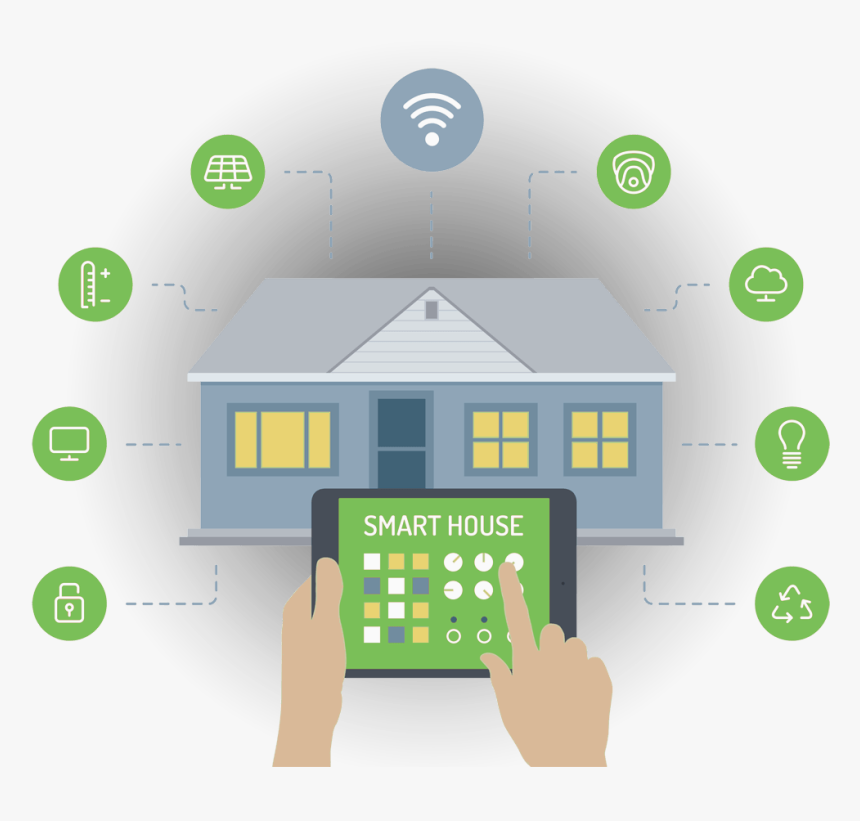
The transition to renewable energy is augmented by technology that provides real-time insights into energy consumption and generation. Smart meters, for instance, offer a digital window into a household’s electricity use. These devices record energy consumption patterns and communicate data back to utility companies, ensuring accurate billing and promoting energy efficiency.
Home energy monitors take this concept a step further by providing detailed information about how individual appliances contribute to overall energy consumption. This granularity enables homeowners to pinpoint energy-intensive devices and make informed decisions about their usage. By identifying culprits like energy-hungry air conditioners or inefficient lighting, households can adjust habits and invest in more energy-efficient alternatives.
Mobile apps provide a user-friendly interface for accessing energy data and controlling various systems remotely. These apps enable homeowners to monitor energy consumption on-the-go, adjust smart thermostats, turn off lights, and even manage solar battery charging. This level of control empowers users to make real-time adjustments based on energy availability, weather forecasts, or specific preferences.
Demand Response and Load Shifting Strategies
In addition to technology-driven solutions, demand response and load shifting strategies play vital roles in optimising renewable energy use. Demand response programs allow homeowners to voluntarily reduce their electricity consumption during peak demand periods. In exchange, participants often receive financial incentives or lower electricity rates. This not only eases strain on the grid but also contributes to a more efficient and sustainable energy system.
Load shifting involves strategically scheduling energy-intensive activities to off-peak hours. For instance, programming a dishwasher to run late at night or charging an electric vehicle during the early morning hours takes advantage of lower electricity demand. This approach reduces the need to draw energy from the grid during peak times, when the energy mix may include more non-renewable sources.
Enhancing Home Automation for Energy Efficiency
As technology evolves, home automation emerges as a cornerstone of energy efficiency. Smart thermostats adjust temperatures based on occupancy patterns and outdoor conditions, reducing unnecessary heating or cooling. Lighting systems can be programmed to turn off automatically when rooms are vacant, preventing energy waste. Smart plugs allow for remote control of devices, ensuring they are powered off when not needed.
Moreover, integrating home automation with renewable energy sources creates a dynamic synergy. Smart systems can prioritize using solar or wind-generated energy before tapping into grid power. This seamless coordination enhances self-consumption and reduces the carbon footprint further.
In conclusion, controlling and optimising renewable energy involves a multifaceted approach that integrates technological advancements, data-driven insights, behavioural adjustments, and strategic planning. By embracing smart meters, home energy monitors, and apps, adopting demand response and load shifting strategies, and enhancing home automation, homeowners can navigate the evolving energy landscape with efficiency and sustainability at the forefront.
Financial Incentives and Financing Options
Government Incentives, Tax Credits, and Rebates for Solar Energy Systems
The United Kingdom’s commitment to renewable energy is reflected in a range of incentives and initiatives aimed at promoting solar energy adoption. The Feed-in Tariff (FiT) was a key program that provided payments to homeowners who generated their own renewable energy. Although the FiT scheme has closed to new applicants, existing participants continue to receive payments for their generated energy.
In its place, the Smart Export Guarantee (SEG) now rewards homeowners for exporting surplus energy to the grid. This payback mechanism ensures that excess energy produced by solar systems benefits both homeowners and the overall energy network. Moreover, homeowners in the UK can benefit from reduced Value Added Tax (VAT) on the installation of energy-saving materials, including solar panels. This reduced rate further incentivises the transition to renewable energy.
Read our blog to understand more about the renewable energy grants available to you.
Exploring Financing Paths for Renewable Upgrades
For UK residents considering renewable upgrades, various financing paths are available. The Green Homes Grant provides financial support for energy-efficient home improvements, including solar installations. This grant covers up to two-thirds of the costs, making it an attractive option for those seeking to enhance their energy efficiency.
Additionally, homeowners can explore competitive solar loans offered by financial institutions, enabling them to spread the cost of installation over time while reaping immediate energy savings. These loans often come with favourable terms and interest rates, making renewable upgrades financially feasible.
Read our blog to find out which renewable energy system has the most return on investment for your home in the UK.
Calculating Return on Investment (ROI) for Solar Systems
Calculating the Return on Investment (ROI) is a prudent step for UK homeowners considering solar systems. Consider factors such as the cost of installation, potential savings on energy bills, income from the SEG scheme, and VAT reductions. The favorable UK climate for solar energy enhances the energy production potential, contributing to a quicker payback period.
A shorter ROI translates to accelerated financial benefits, and the combination of reduced energy bills, potential SEG income, and VAT savings can lead to an attractive ROI. This analysis aids homeowners in understanding the long-term economic advantages of investing in solar energy and informs decisions regarding system size and financing options.
Read our blog to understand further; is solar PV is a good investment?
Overcoming Challenges and Considerations
Addressing Aesthetics and Neighbourhood Regulations
While the benefits of solar energy are clear, addressing aesthetics and neighbourhood regulations is essential for smooth integration. Concerns about the visual impact of solar panels on property aesthetics and neighbourhood harmony can arise. To mitigate this, modern solar panels come in sleek designs, blending seamlessly with rooftops. Community engagement and transparency can help address neighbours’ concerns and garner support.
Local regulations may dictate the placement, angle, or colour of solar panels. Homeowners should research and adhere to these guidelines to ensure compliance. Some homeowner associations might have restrictions, requiring collaboration and communication to find solutions that satisfy both sustainability goals and aesthetic considerations.
Dealing with Intermittency and Seasonal Variations
Intermittency and seasonal variations pose challenges for solar energy systems. Cloudy days and night-time result in reduced energy production. However, smart energy management strategies can counteract these limitations. Battery storage systems allow excess energy to be stored and used during low production periods. Grid-tied systems can export excess energy to the grid, earning credits for future use.
Seasonal variations require system adjustments. Tilt angles can be optimized for different seasons to capture maximum sunlight. Hybrid systems, combining solar with other renewable sources like wind or hydroelectricity, can provide a consistent energy supply throughout the year.
Backup Power Solutions for Uninterrupted Energy Supply
To ensure uninterrupted energy supply during power outages, backup power solutions are crucial. Solar battery storage systems, such as lithium-ion batteries, store surplus energy generated during sunny periods and provide power when the sun isn’t shining. These systems can support critical appliances or even the entire home, offering peace of mind during emergencies.
Additionally, standby generators that run on natural gas or propane can act as a reliable backup during extended outages. These generators automatically switch on when the grid goes down, providing continuous power to the home. Incorporating backup power solutions enhances energy resilience, benefiting homeowners and their communities. They offer not only peace of mind but also contribute to reduced grid pressure during peak demand periods, promoting energy stability for all.
Getting Started: Steps to Transition Your Home to Renewable Energy
Harnessing solar energy for your home involves a series of well-defined steps to ensure a smooth and successful transition to renewable power.
Conducting a Home Energy Audit
Begin by evaluating your current energy consumption. A home energy audit identifies areas where you can improve efficiency before installing solar panels. By reducing energy waste through insulation, sealing gaps, and upgrading appliances, you optimize the performance of your solar system.
Choosing the Right Renewable Energy Solution
Determine the best renewable energy solution for your home. Solar panels are a popular choice, but wind turbines and solar water heaters may also be suitable depending on your location and energy needs. Consider factors like available space, local climate, and the percentage of your energy consumption you want to offset with renewables.
Finding Qualified Contractors and Installers
Research and select reputable solar contractors and installers. Seek recommendations, read reviews, and verify credentials. Experienced professionals ensure proper installation, system efficiency, and compliance with local regulations. Request quotes, compare offerings, and inquire about warranties and post-installation support.
Permitting, Installation, and Inspection Process
Acquiring necessary permits is crucial before installation. Your chosen contractor will typically handle this paperwork. Installation involves placing solar panels on your roof or property and connecting them to your electrical system. A well-executed installation ensures optimal performance and safety.
Post-installation, your local authorities will conduct inspections to verify compliance with building codes and safety standards. Passing inspections is essential before your solar system can be connected to the grid.
Throughout the process, open communication with your chosen contractor is vital. Regular updates on project milestones and any potential challenges foster a transparent and collaborative experience.
Case Studies and Real-Life Examples
Have a read of our customer testimonials for stories of homeowners successfully adopting renewable energy, including lessons learned, tips, and insights.
Sophie Ben-Tovim
16/08/2023


